Best Neighborhoods to Live in Nairobi 2026
Explore Nairobi's top residential areas in 2026. From Karen's leafy estates to Westlands' urban energy, find where to rent based on lifestyle and budget.
Explore Nairobi's top residential areas in 2026. From Karen's leafy estates to Westlands' urban energy, find where to rent based on lifestyle and budget.
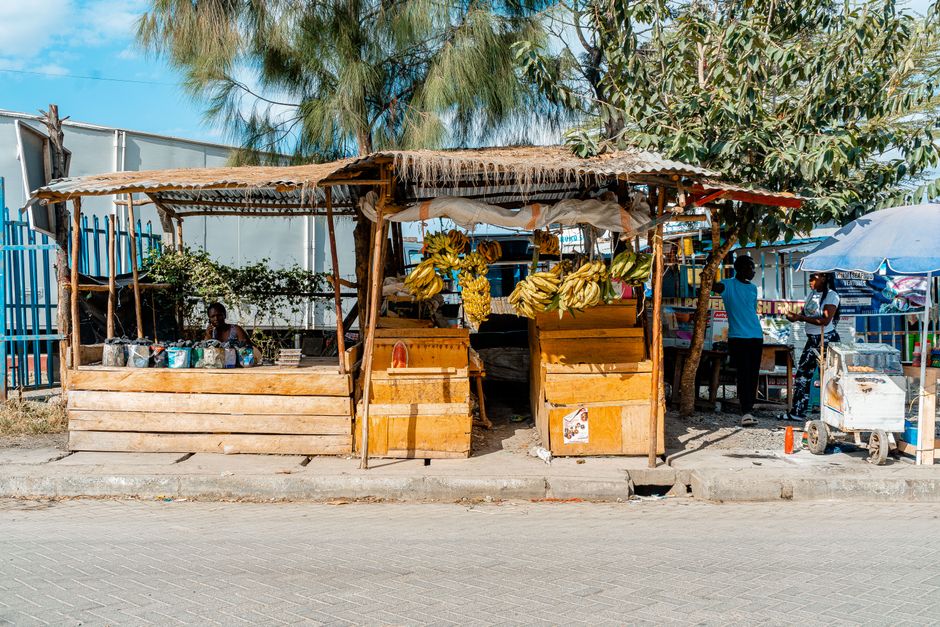
Nairobi is one of the fastest-growing cities in Africa, and its residential neighbourhoods reflect that energy. Whether you are relocating for work, arriving as an expat, or simply weighing up a move across town, choosing the right area can shape your entire experience of the city. This guide covers seven of the most popular residential neighbourhoods, with rental prices current as at early 2026.
If you want to be in the thick of things, Westlands is the neighbourhood that delivers. Sitting just northwest of the CBD, it blends commercial towers with apartment complexes, coworking spaces, and a nightlife scene that rivals anything in East Africa. Young professionals and expats gravitate here for the walkability, the restaurant row along Woodvale Grove, and the proximity to Sarit Centre and Westgate Mall.
A one-bedroom apartment in Westlands typically costs between KES 60,000 and KES 120,000 per month (roughly USD 460 to USD 920). Studios and shared flats can bring the figure lower, making this one of the more accessible options for newcomers on a moderate budget.
Named after the Danish author Karen Blixen, who farmed in the area in the early twentieth century, Karen sits on the city's southwestern edge. It feels more like a countryside retreat than a Nairobi suburb. Properties here tend to be standalone houses with large gardens, mature trees, and enough space that you will occasionally forget you live in a city of five million people.
Karen is home to several respected international schools, the Karen Country Club, and the Giraffe Centre. Families and longer-term expats favour it for the quiet pace and green surroundings. Monthly rent for a house ranges from KES 100,000 to KES 250,000 (USD 770 to USD 1,920), depending on size and proximity to the Karen Hub shopping centre.
Runda is one of Nairobi's most established upscale estates, known for large plots, mature landscaping, and a strong sense of community. It sits north of the city centre, bordering the United Nations complex in Gigiri. Infrastructure upgrades completed and underway through 2026 have improved road access and utilities, making Runda more practical than it once was for daily commuters.
A three-bedroom home in Runda typically rents for KES 150,000 to KES 250,000 per month. The trade-off is distance from the CBD, but residents generally consider the tranquillity worth the commute.
These three neighbourhoods form the core of Nairobi's elite residential corridor. Gigiri hosts the UN Environment Programme headquarters and dozens of embassies, Muthaiga is home to the historic Muthaiga Country Club, and Lavington offers a slightly more relaxed version of the same security and prestige.
All three areas feature gated compounds with 24/7 security, well-maintained roads, and proximity to international organisations. Expect to pay between KES 200,000 and KES 500,000 per month (USD 1,540 to USD 3,850) for a house. These neighbourhoods suit senior executives, diplomats, and families who prioritise safety and infrastructure above all else.
Kilimani has emerged as one of Nairobi's most popular neighbourhoods for millennial professionals and NGO workers. It sits between Westlands and the CBD, offering much of the same convenience without the noise. The area is dotted with rooftop bars, boutique cafes, and co-living spaces that cater to a younger, internationally minded crowd.
One-bedroom apartments range from KES 70,000 to KES 120,000 per month. The neighbourhood strikes a balance between urban access and residential calm, making it a strong pick for anyone who wants a social scene without the sensory overload of Westlands.
Parklands sits northeast of the CBD and is one of Nairobi's most culturally diverse neighbourhoods. It is well served by public transport, and its network of shops, restaurants, and places of worship gives it a distinctive community feel. For professionals who commute to the CBD daily, the short distance is a significant advantage.
Rental prices in Parklands tend to sit slightly below those in Westlands, making it an appealing option for budget-conscious renters who still want reliable infrastructure and a central location.
As at early 2026, a comfortable monthly living budget in Nairobi (covering rent, transport, groceries, utilities, and social spending) sits between USD 1,000 and USD 1,800 for a single professional. Couples and families should budget higher, particularly if international schooling is involved.
Nairobi is a city of contrasts, and neighbourhood choice matters for personal security. The areas listed above are broadly considered safe, particularly those with gated estates and organised security. Parts of Eastlands and certain CBD streets are best avoided, especially after dark. As with any major city, situational awareness, secure housing, and local advice go a long way.
Nairobi offers a wider range of living experiences than most people expect. Whether you want the buzz of Westlands, the greenery of Karen, or the quiet prestige of Muthaiga, there is a neighbourhood that fits. Rental prices remain competitive by global standards, and the city's continued investment in infrastructure is making even the further-flung suburbs more liveable each year.
This article was compiled by AI and screened before publishing. See our editorial standards.
How does this story make you feel?
Spread the word
About this article
Published by The Daily Nairobi
Daily brief
Free, in your inbox before 7am. Weekdays.
More in lifestyle