Nairobi's Investment Sector Battles Perfect Storm of Headwinds in 2026
Rising borrowing costs, currency volatility, and geopolitical uncertainty are squeezing both retail and institutional investors across the capital.
Rising borrowing costs, currency volatility, and geopolitical uncertainty are squeezing both retail and institutional investors across the capital.

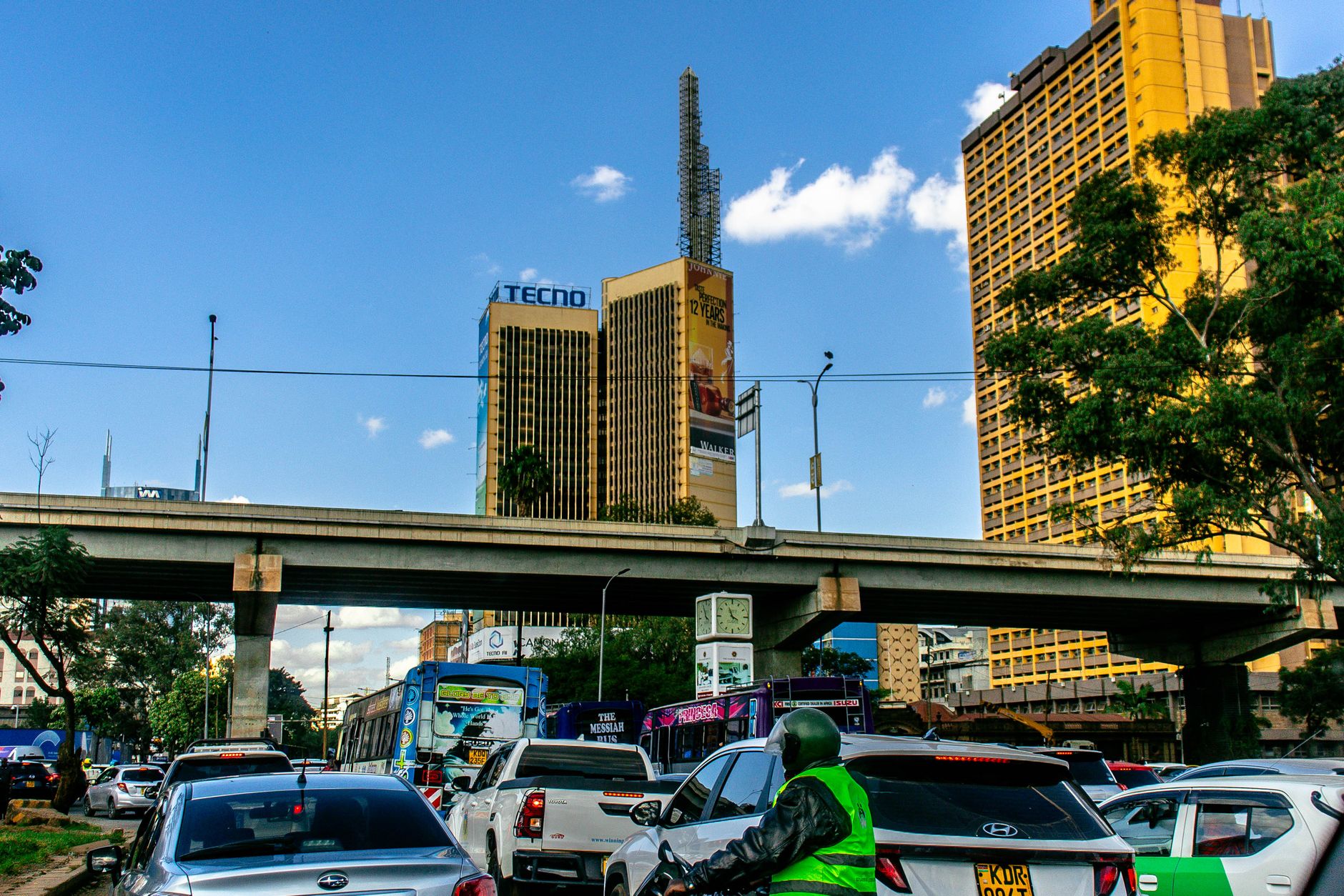
The gleaming office towers along Mama Ngina Street tell a story of ambition, but beneath the glass facades, Nairobi's financial sector is grappling with a convergence of challenges that threaten to derail what many hoped would be a recovery year.
The headwinds are mounting. The Central Bank of Kenya's base lending rate, which peaked at 13 percent earlier this year, has created a cruel calculus for everyday Kenyans: mortgage payments on a modest Westlands apartment now consume 45-50 percent of middle-class household incomes, up from 38 percent in 2024. A three-bedroom unit in the leafy suburbs that fetched 12 million shillings two years ago now struggles to attract serious buyers at 14 million—a nominal gain utterly eroded by opportunity costs.
For institutional investors monitoring the Nairobi Securities Exchange from offices in Upperhill, the picture is equally sobering. The shilling has weakened 8 percent against the dollar since January, making dollar-denominated assets more expensive and complicating currency hedging strategies. Foreign portfolio investors, spooked by this volatility and broader global risk-off sentiment, have trimmed positions. The NSE's year-to-date performance reflects this caution, with blue-chip stocks oscillating rather than climbing.
Real estate, traditionally Nairobi's investment backbone, faces particular strain. Developers along the Karen and Kilimani corridors report an 18-month backlog in project sales velocity. Construction costs remain elevated—cement prices have plateaued at higher levels—while buyer confidence erodes with each interest rate hold. The middle market, once the engine of property investment, is stalling.
Micro-lending and fintech platforms, which flourished in Nairobi's innovation-friendly startup ecosystem around the Nairobi Innovation Hub and IPark, are recalibrating. Higher funding costs are being passed to borrowers, pricing out the informal traders and small businesses these platforms once served affordably.
The human toll is already visible. Financial advisors in downtown Nairobi report a sharp uptick in late-afternoon consultations from anxious clients reassessing retirement portfolios and investment timelines. Young professionals who aspired to property ownership have deferred plans indefinitely.
Yet it is not all bleak. Sectors offering inflation-hedging qualities—agricultural commodities, energy—are drawing cautious interest. Banks reporting strong deposit growth suggest Kenyans remain willing savers; they are simply uncertain where to invest profitably.
As 2026 progresses, the question facing Nairobi's financial community is whether these headwinds are cyclical disruptions or harbingers of structural adjustment. For now, patience and prudence have replaced optimism.
This article was compiled by AI from the sources linked above and screened before publishing. See our editorial standards.
How does this story make you feel?
Spread the word
About this article
Published by The Daily Nairobi
Daily brief
Free, in your inbox before 7am. Weekdays.
More in Business