As geopolitical tensions reshape international commerce, East African businesses are repositioning to capitalise on new trade corridors and emerging market opportunities.
Grace Mwangi's artisanal sweet business has transformed from a cramped River Road kiosk into a sought-after supplier for Nairobi's top hotels and corporate events.
As disposable incomes rise and dining culture transforms, established operators and nimble newcomers are capturing unprecedented margins across the city's evolving food and beverage landscape.
As small business entrepreneurs multiply across Eastleigh and Westlands, Kenya's talent market is fracturing into rival camps—and traditional employers are losing ground.
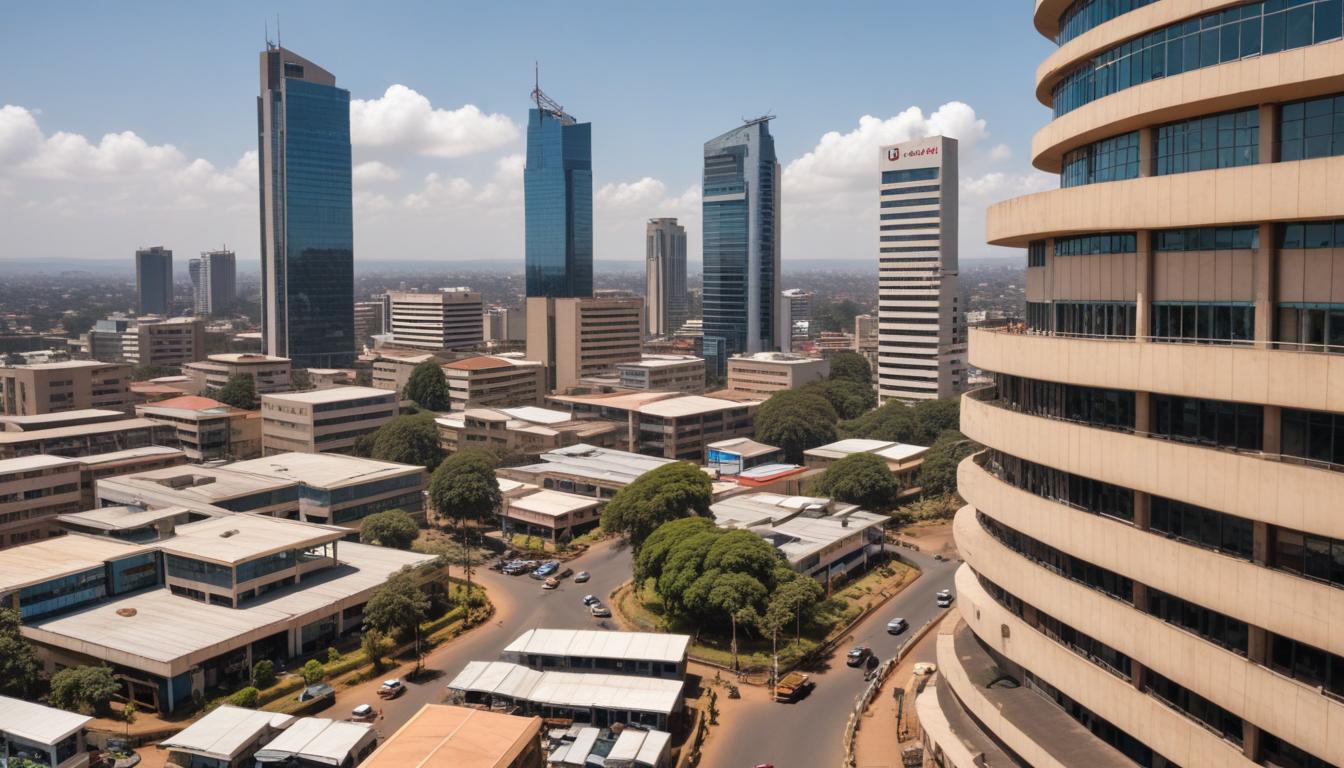
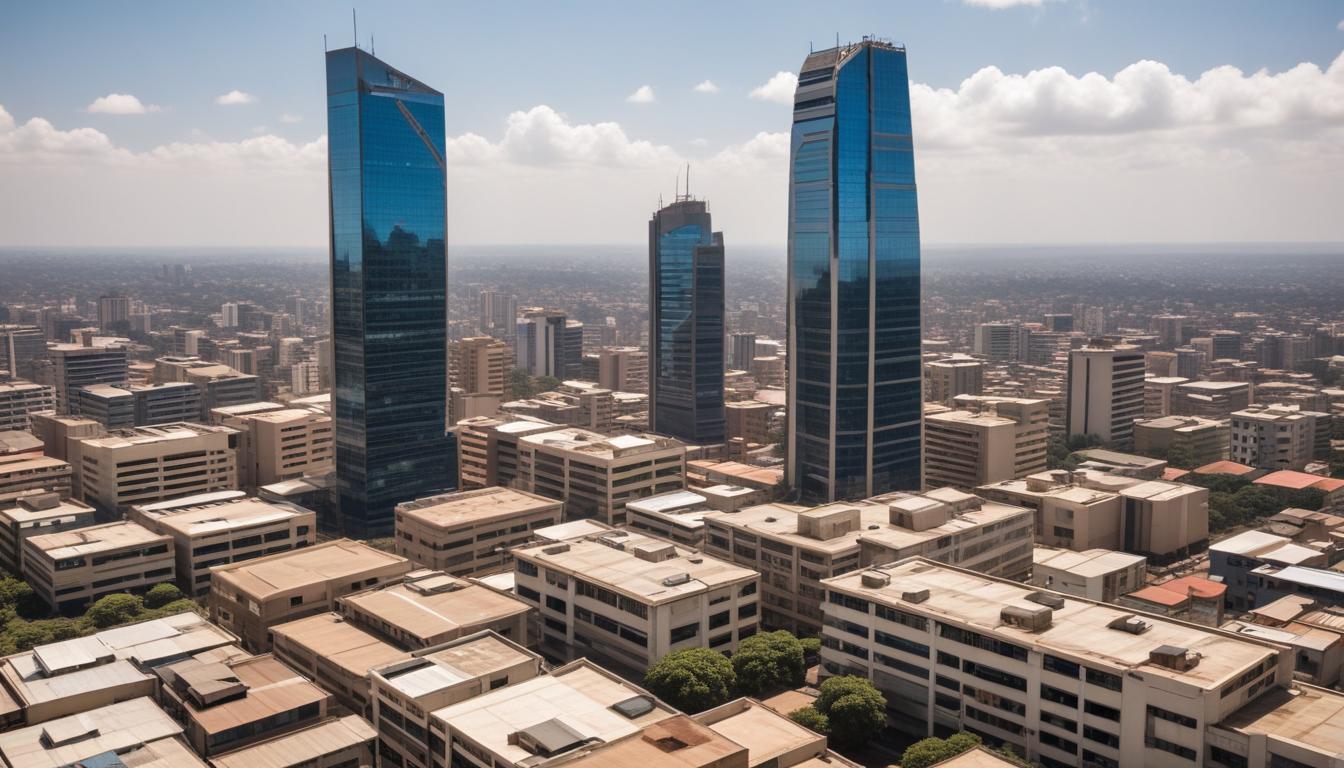
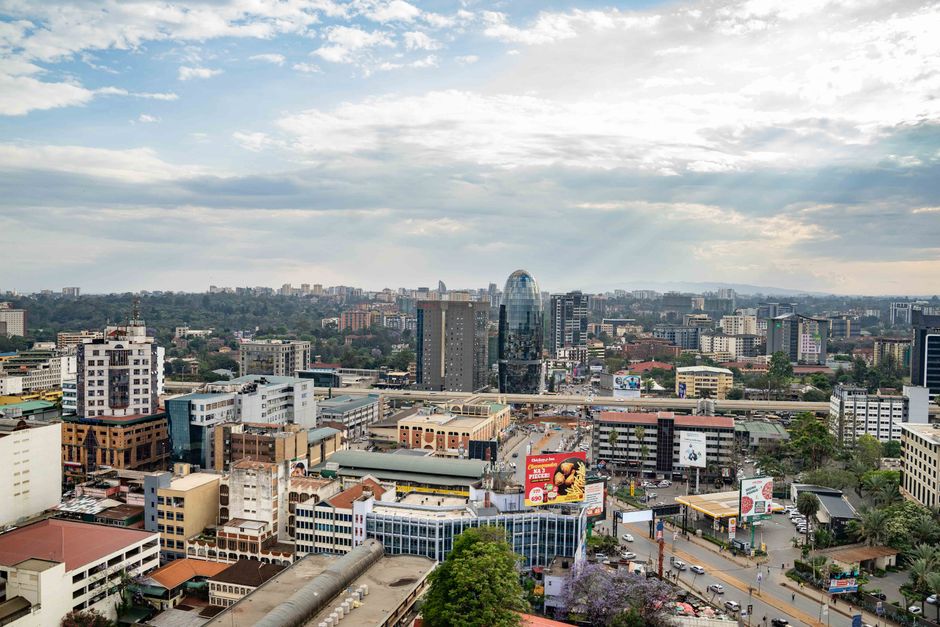
As tensions grip Venezuela, the Middle East and Pakistan, multinational corporations are recalibrating their African footprints—and Nairobi's commercial property sector is feeling the tremors.
A shift away from traditional CBD towers toward co-working spaces and distributed teams is forcing employers to compete harder for skilled workers across the city's emerging innovation corridors.
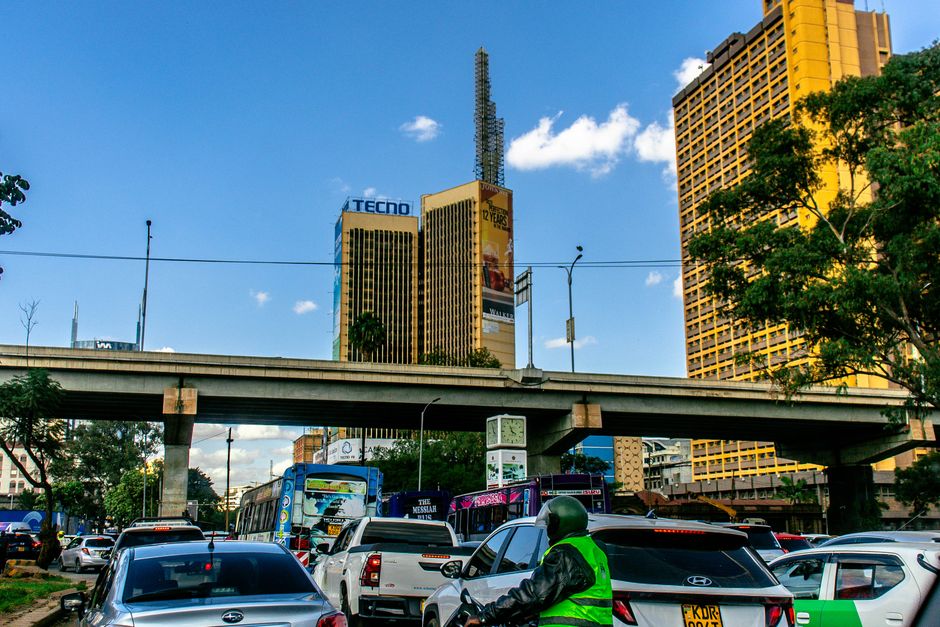
With cost-of-living pressures mounting and international companies trimming headcount, Kenya's capital is grappling with a tighter labour market than it has seen in years.
As capital redirects toward tech hubs and logistics corridors, entrepreneurs in traditional zones face a shifting landscape—here's what the numbers mean for your business.
Grace Mwangi's sustainable fashion label has transformed scraps into a multi-million shilling operation, proving that innovation and grit can redefine Nairobi's entrepreneurial landscape.
Soaring rent and inflation are pushing skilled workers out of prime business districts, reshaping where companies recruit and how they compete for talent.
Geopolitical tensions and currency volatility are forcing multinational tenants to recalibrate their Kenyan real estate footprints, creating both peril and opportunity for local developers.
A shift toward hybrid food-retail concepts and upscale casual dining in Westlands and CBD is scrambling wage expectations and forcing hospitality groups to compete fiercely for skilled staff.
Rising geopolitical tensions, currency volatility, and regional security concerns are dampening visitor numbers just as Kenya's hospitality sector hoped to rebuild momentum.
As geopolitical friction ripples across the Middle East, Pakistan, and Venezuela, Nairobi residents are beginning to feel the knock-on effects in their weekly shopping bills.
Rising living costs, foreign exchange volatility, and reduced investor appetite are squeezing hiring across Kenya's capital, leaving thousands of job seekers facing an increasingly competitive and uncertain landscape.