Walk into Nakumatt or Carrefour along Westlands Road this week, and you'll notice something familiar: prices climbing faster than usual. A kilogram of imported rice that cost 280 shillings last month now sits at 310. Cooking oil has spiked 18 percent in the past quarter. Your favourite tinned goods from Dubai cost noticeably more. These aren't random fluctuations—they're signals of a global supply chain under stress, and understanding why matters for your wallet.
The culprit lies in a combination of international crises that most Nairobi residents never directly experience but absolutely feel. Tensions between the U.S. and Iran over shipping routes through the Strait of Hormuz have traders nervous. Pakistan's military operations in Afghanistan are destabilising a critical overland trade corridor. Venezuela's economic collapse is disrupting global oil markets, pushing fuel prices upward worldwide. Even the earthquake in Venezuela has reminded shippers how fragile international logistics truly are.
Kenya imports roughly 40 percent of its food supplies, according to the Kenya Agricultural and Livestock Research Organisation. A substantial portion flows through the Indian Ocean and the Red Sea—routes now considered higher-risk. When shipping insurance costs rise, when vessels take longer detours to avoid conflict zones, and when fuel surcharges increase, those costs cascade directly into the Kenyan supply chain. A merchant importing electronics or textiles via the port in Mombasa now pays more for freight. That expense gets passed along.
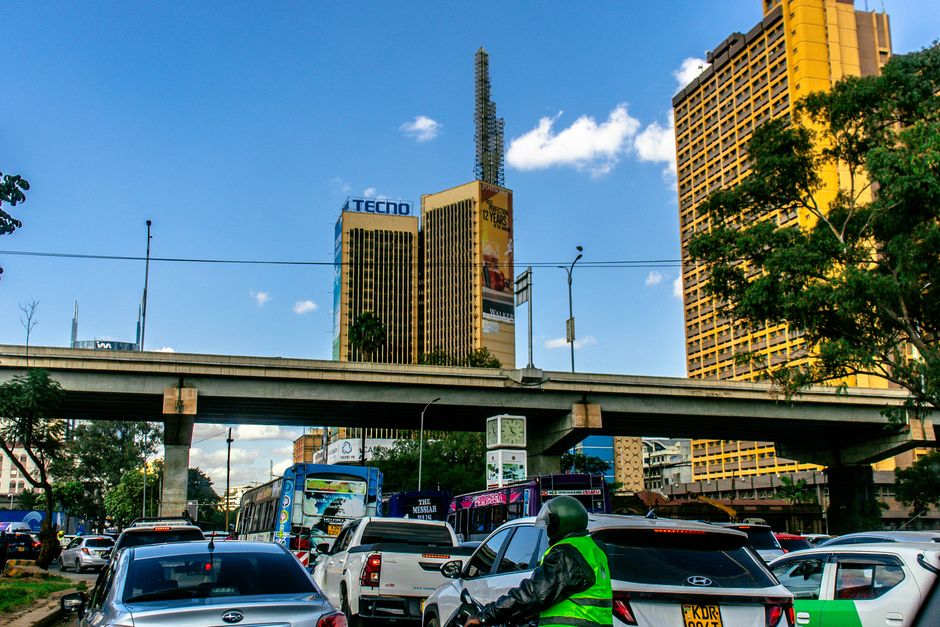
For residents in South B, Kilimani, and around the CBD, the impact is tangible. The average Nairobi household spends roughly 45 percent of income on food. When global supply shocks hit, households with thin margins feel it immediately. Smaller traders along Tom Mboya Street and Moi Avenue—who operate on tight margins themselves—absorb costs longer before raising prices, squeezing their own profits until they can't absorb any more.
The broader lesson: Kenya's economy is deeply woven into global systems. A geopolitical tremor thousands of kilometres away ripples through the Central Business District faster than most people realise. The prudent move for households is to monitor staple prices, consider buying non-perishables in bulk where feasible, and understand that inflation reflects international forces beyond our government's immediate control.
In the coming months, watch three things: oil prices, shipping costs, and the U.S.-Iran situation. Each will directly influence what you pay at the till.
This article was compiled by AI from the sources linked above and screened before publishing. See our editorial standards.