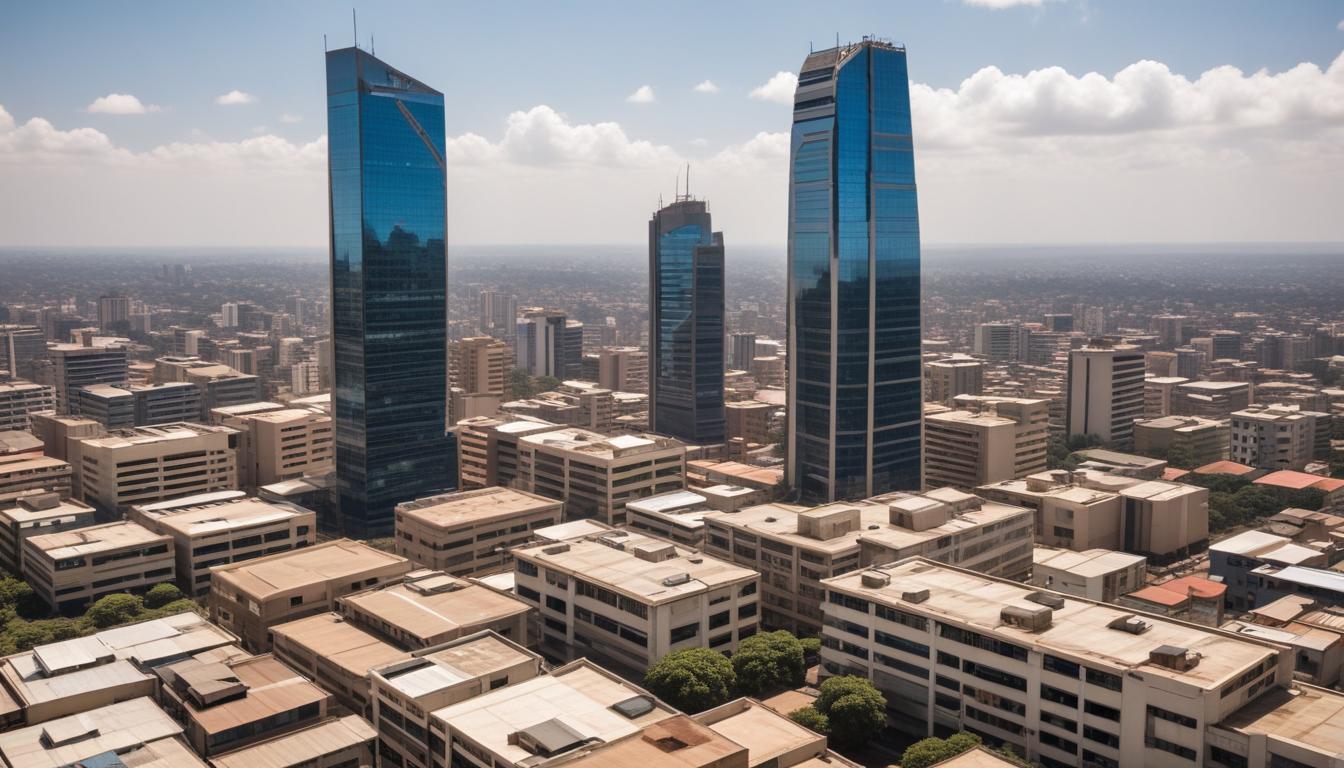
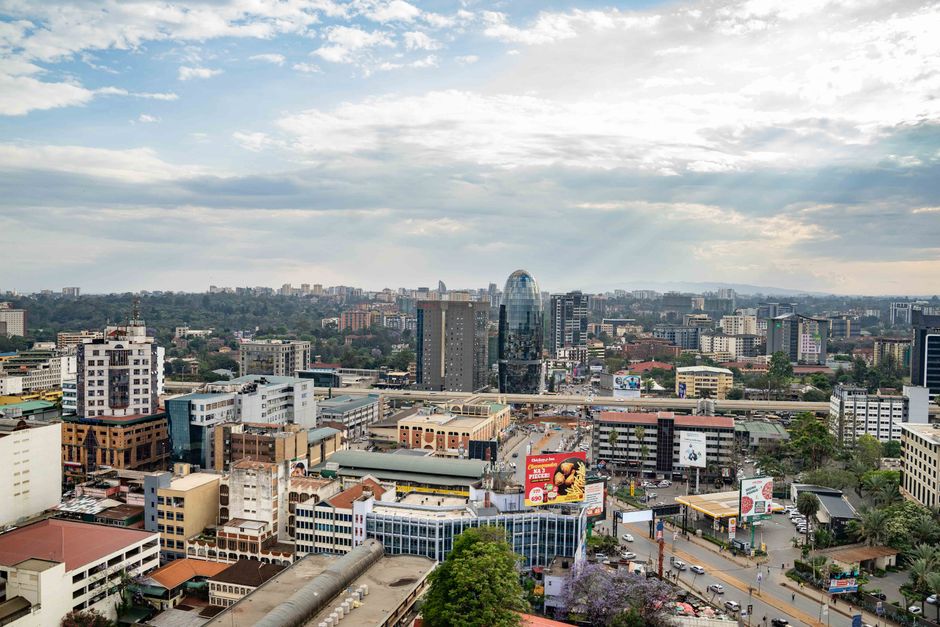
Nairobi Tourism Drives Record Foreign Exchange Earnings
Hotel occupancy rates hit new highs as visitor numbers surge, signaling strong investment potential in Kenya's tourism sector.
Hotel occupancy rates hit new highs as visitor numbers surge, signaling strong investment potential in Kenya's tourism sector.
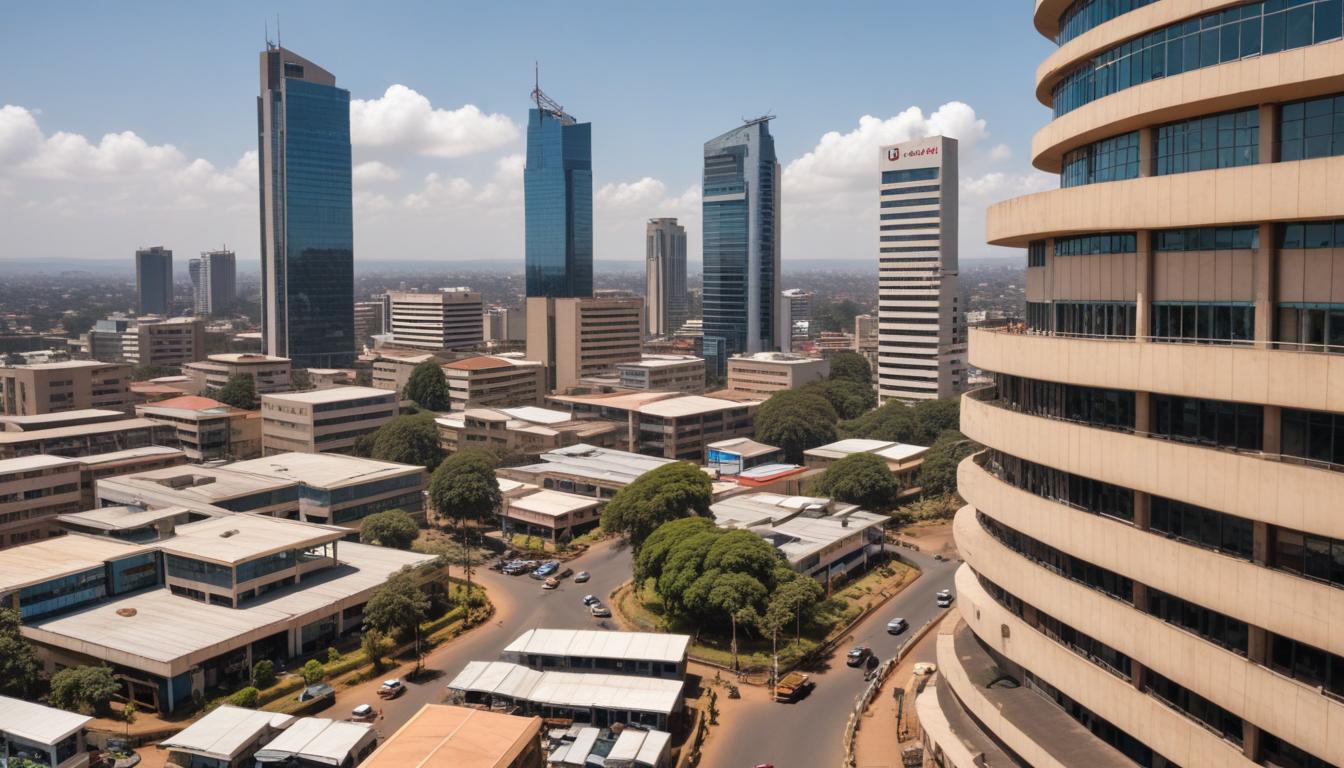
Nairobi's tourism sector is sending unmistakable economic signals. Visitor arrivals through Jomo Kenyatta International Airport surged 23 percent year-on-year through May 2026, according to preliminary data from the Kenya Tourism Board, translating into approximately 1.2 million foreign arrivals in the first five months alone. Behind this headline figure lies a more nuanced story about capital flows, occupancy dynamics, and the confidence international investors are placing in the city's hospitality infrastructure.
Hotel occupancy rates across Nairobi's prime districts tell a revealing tale. Westlands, the business and leisure hub anchored by properties like the Radisson Blu and Hilton, is registering 71 percent average occupancy—a seven-point jump from last year. Upper Hill, where newer boutique establishments cluster near the UN complex, is tracking even higher at 76 percent. These figures matter because they signal demand elasticity. When occupancy exceeds 70 percent consistently, hotel operators begin planning expansions and upgrades, unlocking renovation investment.
The foreign exchange angle is particularly significant. Tourism now accounts for approximately 8.2 percent of Kenya's total foreign exchange earnings—up from 6.9 percent in 2024. This matters for Nairobi's broader economy because it reduces currency volatility and strengthens the shilling against major reserve currencies, lowering import costs for businesses clustered along Mama Ngina Street's financial corridor.
What's driving this? Data suggests three converters. First, regional instability elsewhere in East Africa has redirected safari tourism through Nairobi gateways; second, Kenya's relatively stable macroeconomic environment following IMF programme completion has attracted back leisure travelers; third, the technology and startup conference circuit—IOTA Summit, AfriLabs gatherings—now regularly channels 8,000-12,000 business visitors quarterly.
Investment flows reflect this confidence. Licensed hospitality operators report capital expenditure commitments of approximately $187 million for 2026-2027, concentrated in mid-market and luxury segments. Property developers in Kilimani and Riverside are pivoting toward serviced apartment models targeting extended-stay corporates—a strategic shift indicating belief in sustained business travel demand.
Not everything is euphoric. Average nightly rates in Westlands have compressed 8 percent year-on-year due to new supply, squeezing margins for legacy operators. Energy costs remain elevated. Yet forward-looking indicators—booking curves extending 90 days ahead, rising conference venue bookings through September, and renewed interest from regional tour operators—suggest the underlying demand momentum remains solid. For a city whose economic health depends significantly on visitor flows, these indicators deserve close watching.
This article was compiled by AI from the sources linked above and screened before publishing. See our editorial standards.
How does this story make you feel?
Spread the word
About this article
Published by The Daily Nairobi
Daily brief
Free, in your inbox before 7am. Weekdays.
More in Business