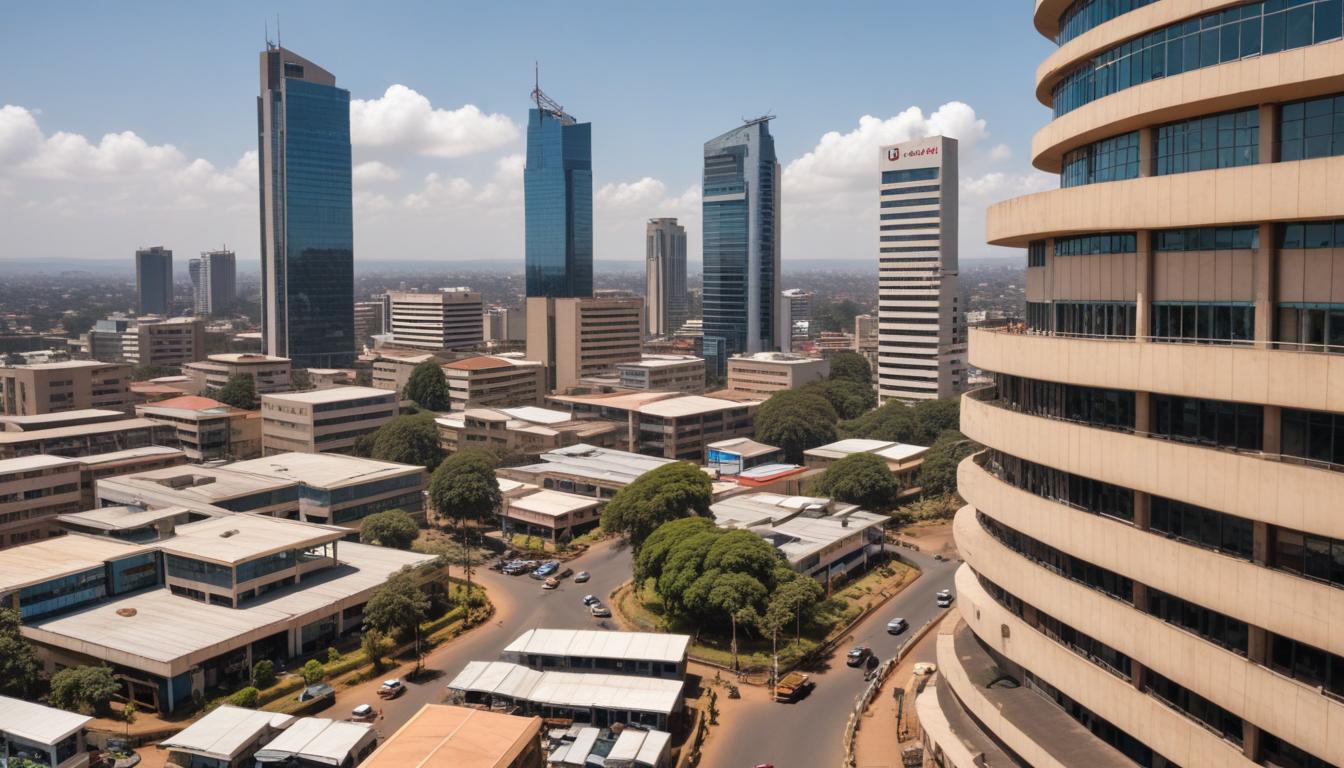
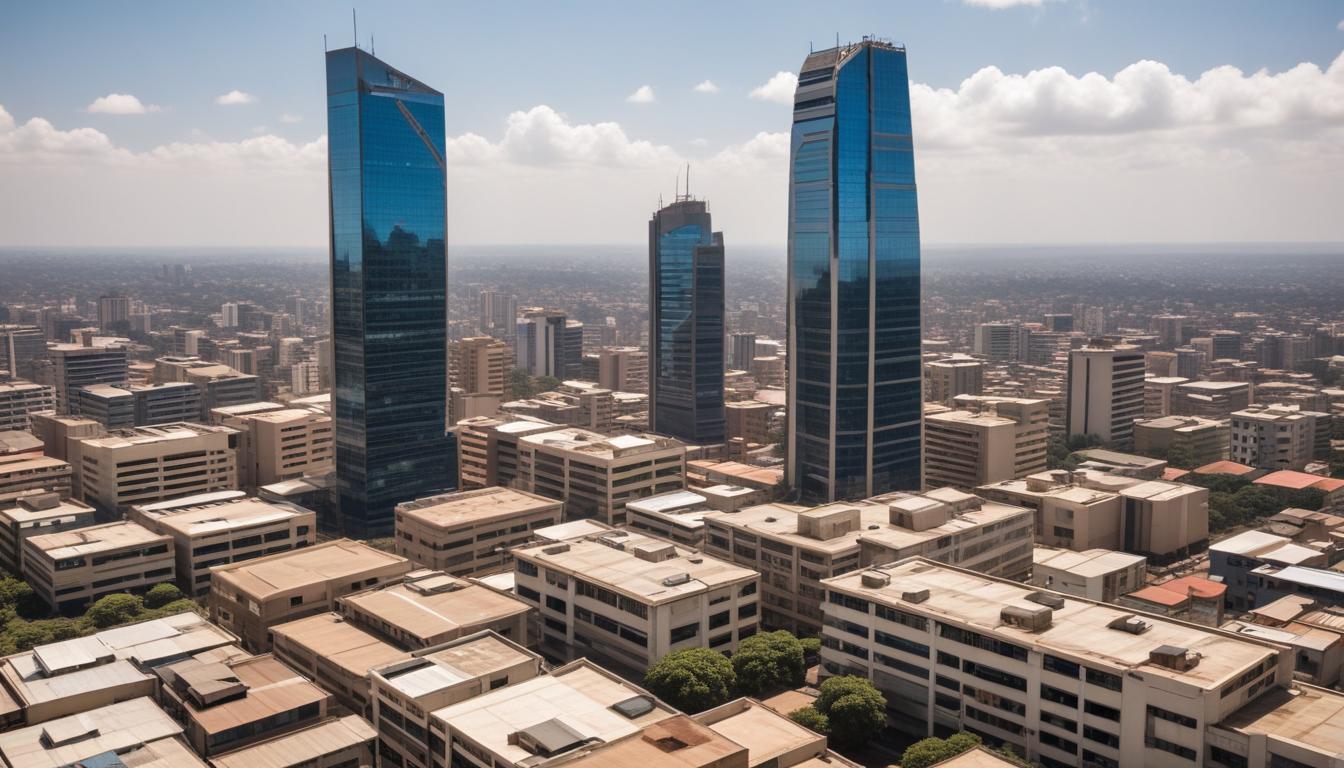
On a bustling Thursday morning in the industrial heart of Kamukunji, Grace Mwangi stands amid rolls of reclaimed leather, bolts of organic cotton, and a team of fifteen skilled artisans. Her workshop, tucked between metalwork studios and textile factories, hums with purposeful activity. This is the nerve centre of Moto Designs, a sustainable fashion enterprise that has quietly become one of Nairobi's most compelling business success stories.
Five years ago, Mwangi was working as a corporate accountant in Westlands, earning a comfortable salary but feeling creatively hollow. A chance discovery of discarded leather hides from a tannery in Industrial Area sparked an idea. Rather than let these materials rot in landfills, she began experimenting with upcycling techniques in her Kilimani apartment.
"The first year, I was sewing handbags by hand at night," Mwangi recalls the genesis of her venture. By 2024, Moto Designs had generated approximately 47 million shillings in annual revenue, with products stocked in boutiques across Nairobi—from Westgate to Village Market—and increasingly in East African capitals.
What sets Mwangi's operation apart isn't merely the environmental credentials, though those matter. Her business model directly addresses Nairobi's employment challenge. The Kamukunji workshop now employs artisans, many drawn from informal settlements like Kibera and Mathare, offering above-minimum wages averaging 18,000 shillings monthly alongside skills training in leatherwork and design.
The numbers speak volumes. Moto Designs sources approximately 80 percent of raw materials from East African waste streams—tanneries, textile mills, and defunct manufacturing operations. This vertical integration has created a profitable circular economy while reducing production costs by roughly 35 percent compared to conventional fashion houses.
Recognition has followed. In 2025, Mwangi was shortlisted for the Anzisha Prize, the continent's leading youth entrepreneurship award. Local financial institutions have taken notice too; she recently secured a 15 million shilling expansion loan from a leading Nairobi-based microfinance institution.
Yet Mwangi's ambitions extend beyond profit margins. She's currently piloting a mentorship programme for young entrepreneurs in South B and Kilimani, teaching sustainable business fundamentals to aspiring makers. "Nairobi's small business ecosystem thrives when we lift each other," she explains, gesturing toward her workshop floor where experienced tailors guide newcomers through intricate stitching techniques.
As global fashion increasingly faces pressure over environmental impact, Moto Designs represents something distinctly Nairobi: ingenious problem-solving, resourcefulness, and the conviction that profit and purpose needn't be mutually exclusive.
This article was compiled by AI from the sources linked above and screened before publishing. See our editorial standards.