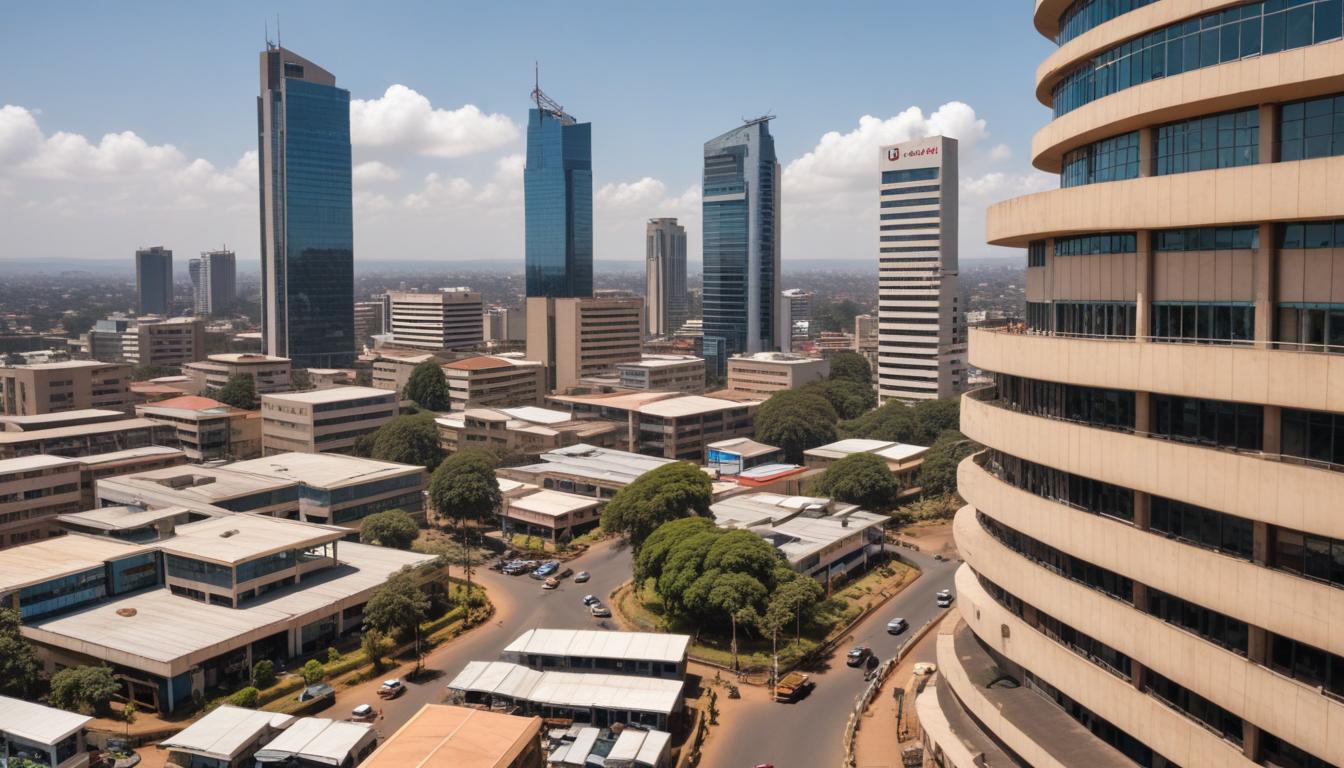
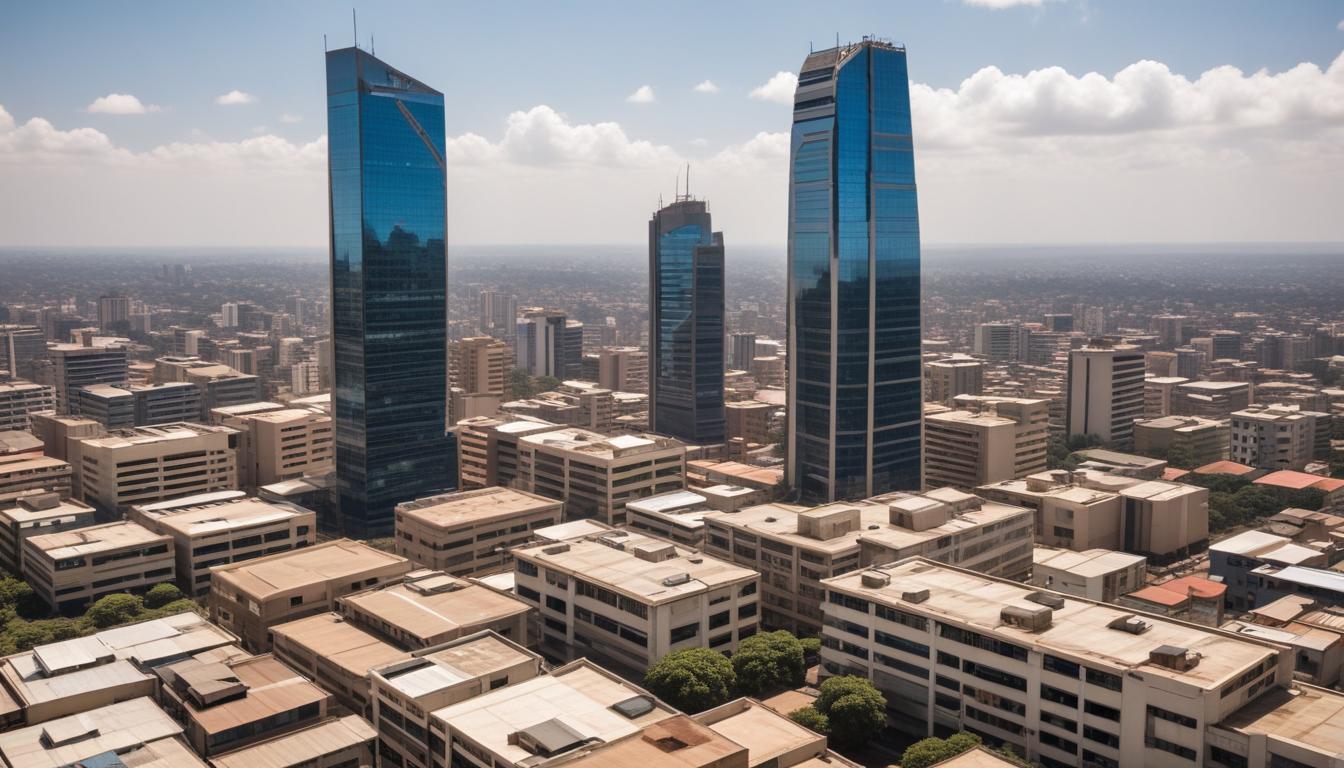
The gleaming office towers lining Waiyaki Way and the tech hubs clustered around Westlands have long symbolised Nairobi's economic promise. But as 2026 progresses, the city's employment picture is darkening considerably, with businesses tightening their belts and recruitment freezes becoming commonplace across sectors.
The Central Business District, historically a barometer for corporate confidence, is showing unmistakable signs of strain. Commercial landlords report mounting vacancies in premium office space along Bishops Road and around the Standard Chartered building, as multinational firms and local enterprises alike defer expansion plans. Recruitment agencies operating from business parks in Upper Hill and Kilimani report enquiry volumes down 28% year-on-year, with clients citing budget constraints and uncertain market conditions.
The headwinds are multiple and interlocking. The shilling's sustained weakness against major currencies—hovering near historic lows—has squeezed profit margins for export-oriented businesses, from flowers to textiles. Manufacturing hubs in the Industrial Area face ballooning input costs, forcing difficult choices between scaling back operations or cutting staff. Meanwhile, domestic consumer demand has softened as ordinary Nairobians grapple with inflation that has pushed the cost of living sharply upward. A matatu ride on busy Ngong Road now costs considerably more than it did eighteen months ago; rent in areas like Nairobi West and South C remains punishing.
Tech and financial services, sectors that once promised endless opportunity, are proving no exception. Several fintech startups and software development firms have announced streamlining exercises, while traditional banks have slowed graduate recruitment programmes that once fed thousands of young Kenyans into middle-class careers. Professional services firms on Mama Ngina Street report clients deferring major projects.
The hospitality sector, crucial to Nairobi's economy, remains fragile. Hotels around Parklands and Riverside have scaled back staffing as international visitor numbers remain subdued. Tourism contributes significantly to employment across the city, but recovery has been slower than anticipated.
For job seekers navigating LinkedIn and WhatsApp recruitment groups, the message is stark: competition is intense, salary expectations must be realistic, and niche skills command premiums. Graduate unemployment remains a stubborn problem, with thousands of young professionals from institutions like the University of Nairobi entering a crowded marketplace.
Business leaders and economists widely expect these pressures to persist through the second half of 2026, making it one of the most challenging hiring environments the capital has experienced in recent years.
This article was compiled by AI from the sources linked above and screened before publishing. See our editorial standards.