Tourism Boom Drives Housing Costs Higher Across Nairobi
As visitor numbers surge and hospitality investment floods in, understanding how tourism affects housing costs, traffic, and local services is essential for anyone living in the capital.
As visitor numbers surge and hospitality investment floods in, understanding how tourism affects housing costs, traffic, and local services is essential for anyone living in the capital.
Listen to this article · 3:28
Nairobi's tourism sector is experiencing unprecedented growth, with international arrivals up 34 percent since 2024 according to Kenya Tourism Board data. For residents navigating daily life in Westlands, Upper Hill, or Kilimani, this prosperity isn't just good news for hotel owners—it's reshaping neighbourhoods, pricing, and access to essential services.
The most visible impact appears in accommodation costs. Short-term rental platforms now list over 8,000 properties across Nairobi, many concentrated in traditionally residential areas like Lavington and Karen. Property owners increasingly prefer the higher yields from tourism rentals over long-term leases, tightening the rental market for ordinary residents. A three-bedroom apartment in Kilimani that once rented for 120,000 shillings monthly now commands premium rates during peak tourism seasons, pushing regular renters further from city centre locations.
Restaurant and leisure pricing has shifted noticeably. Venues along Westlands Avenue and around the Safari Park Hotel have repositioned themselves for international visitors, with meal costs rising 25-40 percent over two years. Local workers report that casual dining and entertainment—once affordable neighbourhood activities—now carries tourist-tier pricing, reshaping where ordinary Nairobians can socialize and spend leisure time.
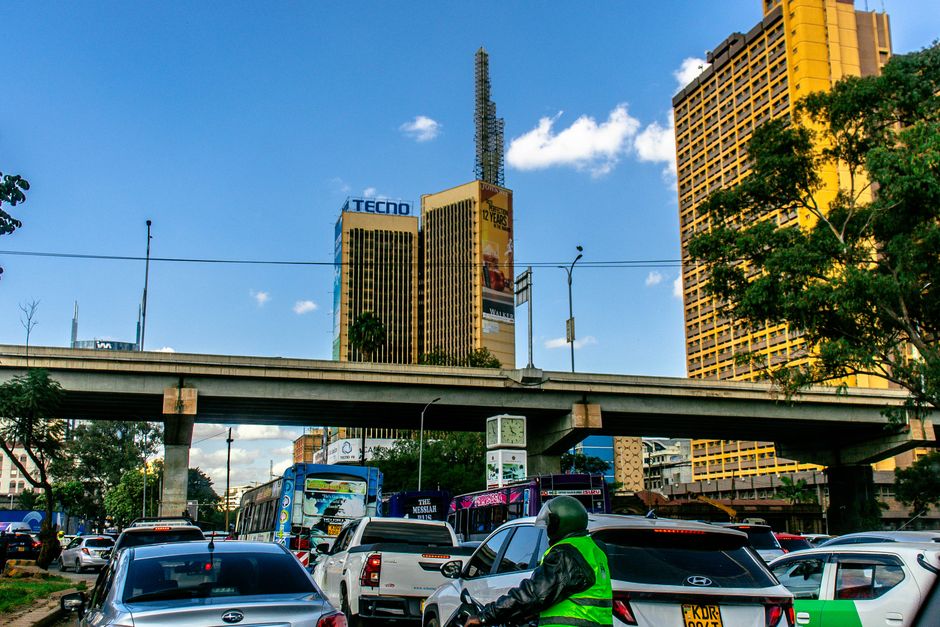
Traffic congestion has worsened measurably. The Kenya Roads Board reports that peak-hour congestion on routes serving hotels, restaurants, and attractions in the Central Business District has increased by 28 percent. Residents commuting through areas like Kilimani, Nairobi Hill, and towards JKIA airport face longer journey times, particularly during July-August and December-January tourism peaks.
However, tourism investment has also expanded infrastructure. The rehabilitation of Nairobi Central Park, improvements to street lighting in high-traffic tourist zones, and enhanced public health services in hospitality-heavy areas have benefited resident populations. Employment opportunities in hospitality, transport, and service sectors have created over 12,000 formal jobs in the past 18 months.
For residents, understanding these dynamics matters when considering where to live, how to navigate peak season congestion, and whether long-term plans align with evolving neighbourhood character. The tourism economy isn't abstract—it directly affects housing access, cost of living, and how Nairobi functions day-to-day. Smart residents monitor these shifts when making decisions about their stake in the city's future.
This article was compiled by AI and screened before publishing. See our editorial standards.
How does this story make you feel?
Spread the word
About this article
Published by The Daily Nairobi
Daily brief
Free, in your inbox before 7am. Weekdays.
More in Business