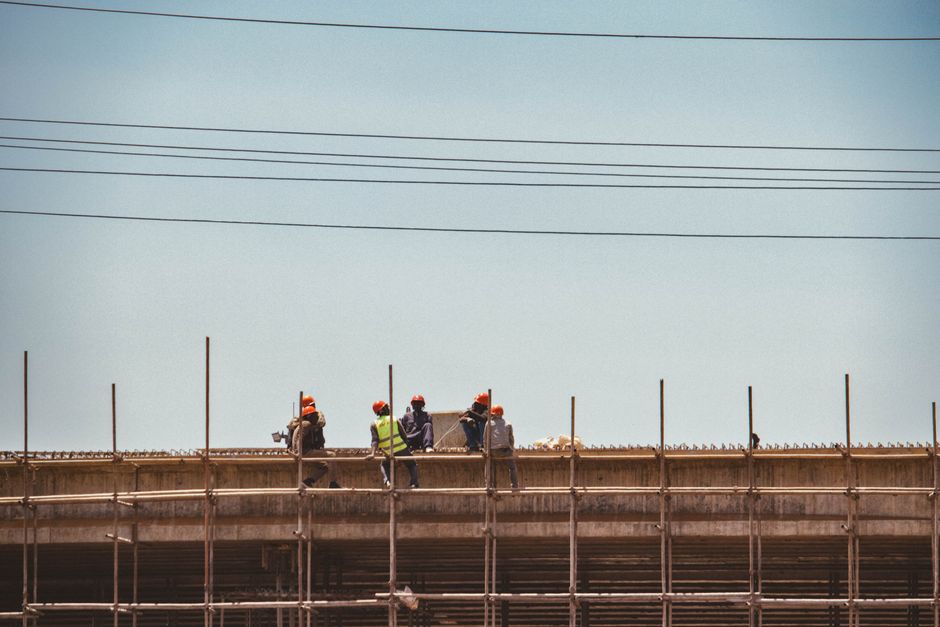
Walk through Westlands or the Upper Hill precinct on any given morning, and you'll see cranes, new office towers, and renovation projects that suggest confidence. But beneath this visible activity lies a more complex story about how money moves through Nairobi's economy—one that requires parsing economic indicators to understand where investments are genuinely flowing and why.
Foreign direct investment into Kenya has shifted markedly over the past eighteen months. While tech startups in the Innovation Hub and along Ngong Road continue attracting venture capital, traditional sectors like manufacturing and real estate have seen more caution. Year-to-date figures show FDI inflows running roughly 12 percent below 2024 levels, a signal that global investors are recalibrating risk assessments across East Africa.
The shilling's performance offers another critical lens. Currency volatility directly impacts the cost of imported goods—from machinery for industrial zones in Embakasi to consumer electronics in Nairobi's retail corridors. When the shilling weakens against the dollar, imported inflation follows within weeks, squeezing both business operating costs and household purchasing power. Recent data shows food inflation in Nairobi hovering near 6 percent annually, meaningfully above the Central Bank's 5 percent target, driven partly by currency movements and global commodity pricing.
Real estate investment patterns reveal investor sentiment with unusual clarity. Prime office space in Nairobi CBD commands rental rates between 45,000 and 65,000 shillings per square metre annually—figures that have plateaued rather than risen, suggesting investors view the market as fairly valued rather than underpriced. Conversely, residential developments in emerging suburbs like Ruai and Kasarani continue attracting capital, as younger professionals seek affordable housing away from central Nairobi's congestion.
Government bond yields and interbank lending rates provide the invisible architecture for all this activity. The Central Bank's recent rate decisions have kept overnight lending rates between 14 and 16 percent, making capital relatively expensive for businesses seeking to expand. This tightness filters through Nairobi's business community—from small traders at Wakulima Market adjusting inventory purchases to multinational firms on Riverside Drive reconsidering expansion timelines.
Understanding these signals matters because they predict real outcomes. When foreign investors pull back, job creation slows. When inflation outpaces wage growth—as has occurred across Nairobi's professional classes—discretionary spending contracts, affecting everyone from restaurant owners in Kilimani to retail staff throughout the city. The economic indicators aren't abstract; they translate into investment decisions that reshape Nairobi's trajectory.
This article was compiled by AI and screened before publishing. See our editorial standards.