Discover 5 Ways to Experience Nairobi's Authentic Colonial and Contemporary Culture
From restored colonial quarters to thriving contemporary art spaces, here's how to connect with the city's layered cultural identity this season.
From restored colonial quarters to thriving contemporary art spaces, here's how to connect with the city's layered cultural identity this season.
Listen to this article · 3:53
Nairobi's cultural landscape has shifted dramatically over the past three years, with heritage institutions and grassroots cultural spaces reimagining what it means to experience local identity in 2026. Whether you're a long-time resident or visiting, the city offers an unprecedented window into its multifaceted past and present.
Start in Westlands, where the Karen Blixen Museum (located on the original property in the suburb's quieter reaches) has expanded its programming beyond colonial nostalgia. The museum now hosts monthly conversations examining how European settlement narratives intersect with pre-colonial Kikuyu land systems. Entry is Ksh 1,200, and Thursday evening sessions draw younger Nairobians interested in decolonial thinking.
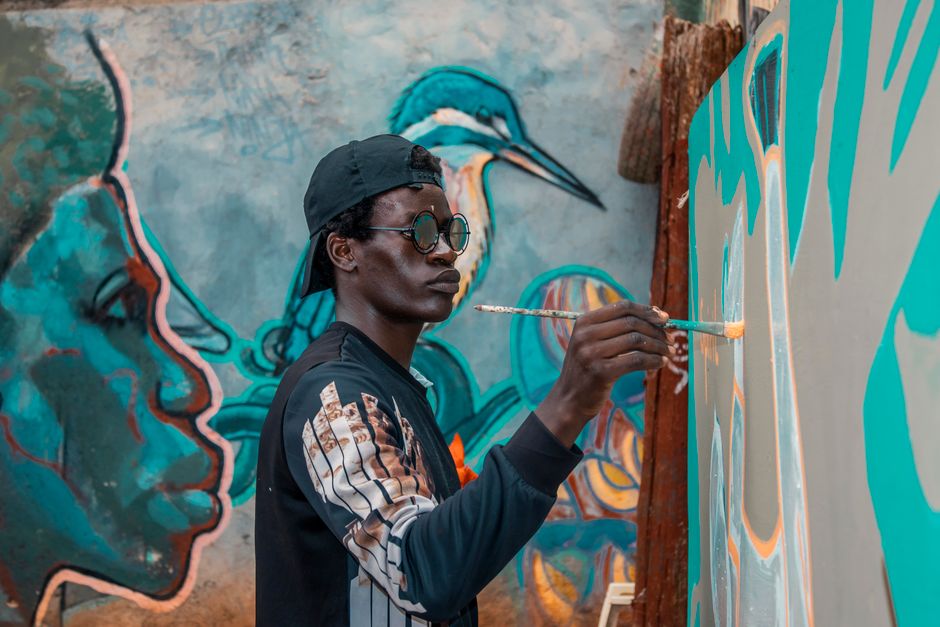
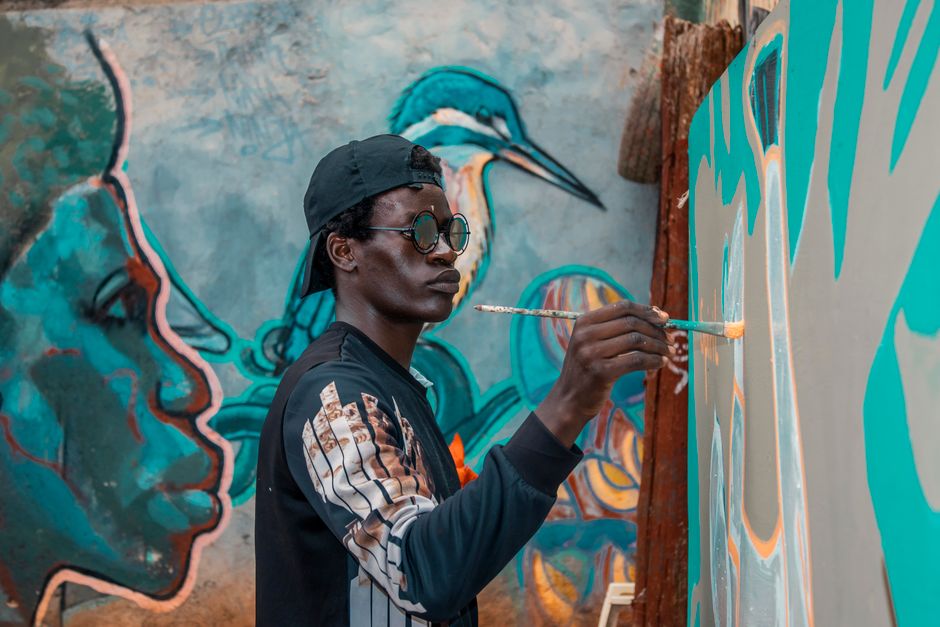
For contemporary cultural production, the regenerated spaces around Parklands and Kilimani have become the city's creative backbone. The Circle Art Agency on Kitale Lane showcases Kenyan artists interrogating identity through photography, sculpture, and installation. Meanwhile, the Nairobi Design Week programming (usually June-July annually) transforms warehouse districts into interactive exhibitions exploring craft heritage and urban futures.
Don't skip River Road's architectural fabric. Despite decades of neglect, the street remains a living archive of 1920s-1960s commercial Nairobi. The recently restored Aga Khan Walk connects several heritage buildings, and informal walking tours (organised through the Nairobi Heritage Society, Ksh 2,500 per person) decode the layers of Asian, Arab, and East African commercial networks that built modern Nairobi.
The National Museum's refreshed permanent galleries—particularly the sections on pre-colonial kingdoms and independence movements—have been recalibrated for 2026 audiences. The exhibits now centre Kenyan scholarship rather than colonial-era interpretations. Plan 3-4 hours; admission is Ksh 1,000.
For immersive experience, visit Muthaiga during its Friday evening market season (Greenfield Road area). Here, community members gather to trade Kenyan textiles, traditional instruments, and prepared foods in ways that mirror pre-colonial market cultures. It's less curated than museum spaces, but infinitely more vital.
Evening cultural performances have rebounded post-pandemic. The Kenya National Theatre hosts regular productions featuring Kenyan playwrights examining contemporary urban life, while smaller venues like the Brokenimagetheater in Loresho offer experimental work interrogating identity, migration, and belonging.
The best way to experience Nairobi's heritage right now is to resist the tourist circuit entirely. Spend time in neighbourhoods like Eastleigh and Mombasa Road, where diaspora communities maintain cultural practices often invisible to outsiders. Take a matatu. Listen. The city's true identity emerges through proximity, not distance.
This article was compiled by AI and screened before publishing. See our editorial standards.
How does this story make you feel?
Spread the word
About this article
Published by The Daily Nairobi
Daily brief
Free, in your inbox before 7am. Weekdays.
More in culture