Nairobi's Independent Art Collectives Transform Festival Culture
Community-led cultural collectives are transforming Nairobi's festival landscape, moving beyond corporate gatekeepers to celebrate the city's authentic creative diversity.
Community-led cultural collectives are transforming Nairobi's festival landscape, moving beyond corporate gatekeepers to celebrate the city's authentic creative diversity.
Listen to this article · 3:42
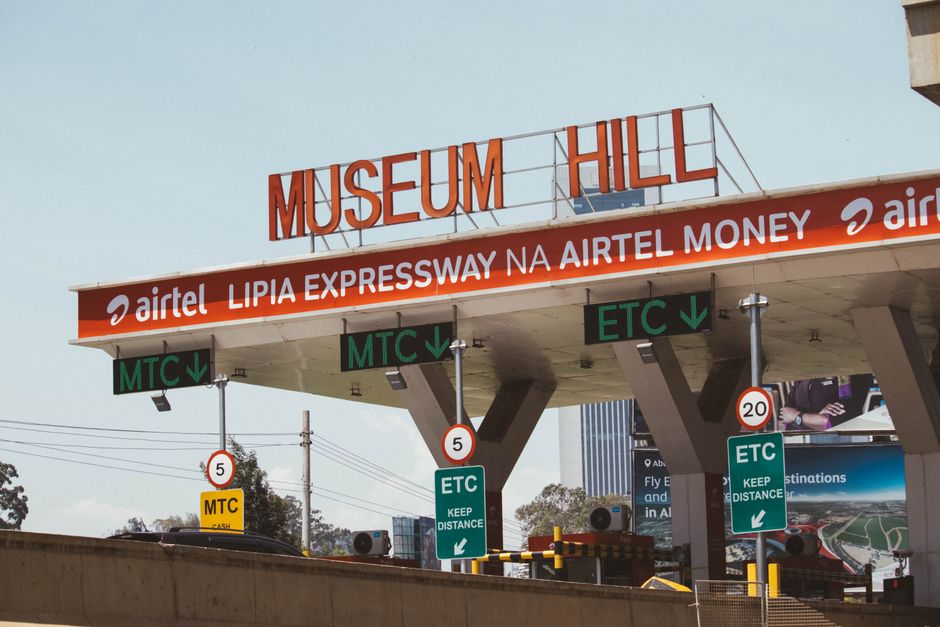
Walk through Westlands on any given weekend and you'll encounter the architecture of a cultural shift. Where corporate-sponsored events once dominated Nairobi's calendar, a constellation of independent collectives now drives the city's festival landscape—from the monthly Nairobi Design Week activations on Museum Hill to the grassroots Festival of Ideas emerging from artist hubs in Kilimani.
This transformation reflects a broader movement among Nairobi's creative communities to reclaim cultural space. According to data from the Nairobi City County Cultural Division, community-organised events increased by 68% between 2023 and 2026, with independent collectives accounting for nearly half of all major cultural gatherings. The shift marks a departure from top-down curation toward participatory festivals that prioritise accessibility and local storytelling.
The momentum began in earnest around 2024, when collectives like the Nairobi Street Collective and the Eastlands Arts Alliance began organising free or low-cost festivals in neighbourhoods historically absent from the city's cultural narrative. Festivals in Mathare, Kibera, and Embakasi now draw thousands, with ticket prices hovering between 300 and 800 shillings—a stark contrast to the 3,000-5,000 shilling entry fees at established venues along Riverside Drive.
What distinguishes this moment is the intentionality behind programming. The recently expanded Kenya Music Festival, now coordinated by a coalition of independent promoters rather than a single institution, has embedded community consultation into its planning process. Similarly, the Nairobi Literary Festival has decentralised beyond its traditional base in the Central Business District, hosting satellite events in Langata libraries and community centres across the sprawl.
These movements have created tangible economic ripples. Local vendors, street performers, and emerging artists report increased income during festival seasons. The Karura Forest Foundation's recent cultural calendar addition has generated an estimated 2.3 million shillings in peripheral economic activity within surrounding communities.
Yet the growth comes with challenges. Many collectives operate on volunteer labour and precarious funding, creating sustainability concerns. Several organisers have expressed frustration with county permitting processes that, despite recent reforms, still favour established institutions.
Still, the cultural zeitgeist is undeniable. Nairobi's festival calendar—once a predictable cycle of international conferences and corporate galas—now pulses with the creativity of its residents. From Githurai's emerging music collectives to the theatre movements gaining traction in South B, the city's cultural future is being written not by distant gatekeepers, but by the communities inhabiting its streets.
This article was compiled by AI and screened before publishing. See our editorial standards.
How does this story make you feel?
Spread the word
About this article
Published by The Daily Nairobi
Daily brief
Free, in your inbox before 7am. Weekdays.
More in culture