What Visitors Must Know About Nairobi's Creative Renaissance
From street murals to experimental theatre, a new wave of artists is redefining Kenya's capital.
From street murals to experimental theatre, a new wave of artists is redefining Kenya's capital.
Nairobi's culture scene has shifted noticeably in the past three years. Walk down Ngong Road on any Friday evening and you'll find gallery openings packed with collectors, designers, and filmmakers who until recently would have needed to leave the country to find their peers. The change isn't accidental-it's driven by a generation of creators who've decided to build platforms locally rather than chase opportunities abroad.
The timing matters. As global attention fractures between Silicon Valley startups, entertainment hubs in Lagos, and cultural capitals elsewhere, Nairobi's independent creators have seized a narrow window. International travel restrictions and remote-work shifts have brought diaspora artists back home. Gallery rents in neighbourhoods like Kilimani remain manageable. And younger Nairobians-increasingly connected to global audiences through TikTok and Instagram-want cultural experiences that reflect their city, not imported versions of New York or London.
The Nairobi National Museum remains the institutional anchor, but the real energy pulses through smaller spaces. Kuona Trust, the artist collective based in Kilimani, has operated since 1999 but only in the last 18 months expanded its gallery footprint to include a dedicated performance space on Lenana Road. They now host monthly artist talks and quarterly experimental film screenings. Tickets run 500 shillings for regular visitors, free for members. Pipeline Art Initiative, which opened on Mombasa Road in 2024, functions as studio, gallery, and residency program rolled into one-they've hosted 23 visiting artists from across East Africa and beyond.
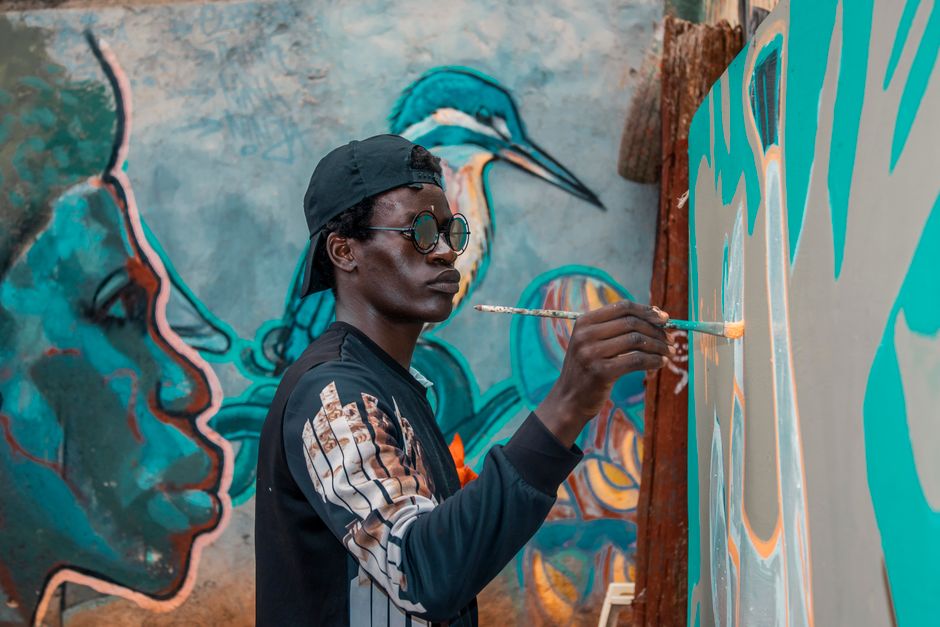
Street art has exploded beyond the informal. The Nairobi Street Art and Design Initiative, launched by the county government in partnership with local studios in 2023, has produced over 2,000 murals across 47 neighbourhoods. Westlands, Parklands, and Kabete now compete for visible wall space. The initiative pays emerging artists between 50,000 and 150,000 shillings per commissioned work, directly channeling cash to creators who might otherwise rely on irregular gallery sales.
The cultural economy remains fragile but measurable. According to research published by the Kenya National Bureau of Statistics in March 2026, creative sector employment grew 12 percent year-on-year in Nairobi, though it still accounts for less than 3 percent of total city employment. Ticket sales for theatre and performance events across venues including Nairobi Playhouse climbed 34 percent in 2025 compared to 2024. The average ticket price sits between 800 and 2,500 shillings depending on the venue and production.
International interest is measurable too. Nairobi Design Week, held annually in October, attracted 8,400 attendees in 2025, up from 5,200 two years prior. Half were local; half came from outside Kenya. That concentration of international eyes-film curators, gallery owners, venture capitalists interested in creative startups-has given local creators real leverage to negotiate better terms for exhibitions and collaborations.
Visitors arriving now should anchor their time around three priorities. First, check what's running at Kuona Trust and Pipeline Art Initiative on your dates-these change monthly and often feature works unavailable elsewhere. Second, spend an afternoon in Kilimani and Westlands specifically to see the street art evolution; take Ngong Road south from the city centre and walk the side streets. Third, book theatre tickets in advance. Nairobi Playhouse on Harry Thuku Road and Phoenix Theatre on Chiromo Lane both maintain tight schedules, and popular productions sell out three to four weeks ahead.
The scene won't stay this accessible forever. As international collectors discover Nairobi prices and more funding flows toward cultural infrastructure, costs will rise. Right now, though, it remains possible to experience serious contemporary art, catch experimental theatre, and watch street muralists at work without needing premium connections or deep pockets. That window is open. Visitors who time their visit for October's Design Week will find themselves amid the city's most deliberately creative moment of the year.
How does this story make you feel?
Spread the word
About this article
Published by The Daily Nairobi
Daily brief
Free, in your inbox before 7am. Weekdays.
More in culture