Nairobi is trading the typical frantic pace of the central business district for a measured, gallery-focused weekend as the city marks the mid-year cultural surge. While global headlines are dominated by geopolitical transitions in Tehran and the quiet closure of the UK's overseas education programs, Nairobi’s hospitality sector remains firmly focused on domestic tourism and the influx of regional visitors taking advantage of the school holidays.
The Pulse of the Gallery Scene
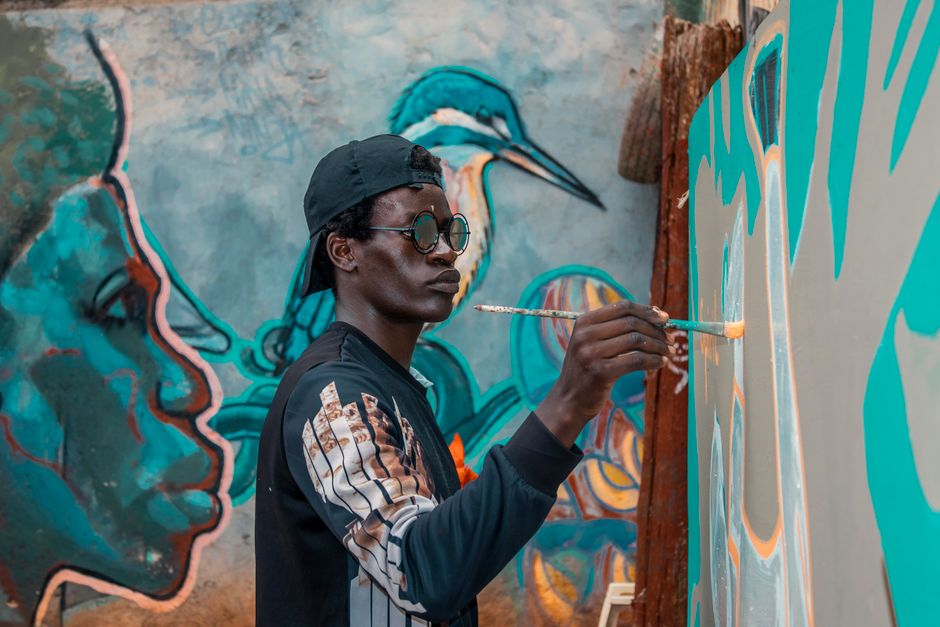
For those aiming to bypass the crowded malls, the focus this Saturday shifts to the independent arts circuit. The Circle Art Gallery in Lavington is currently hosting an exhibition featuring contemporary textile works that bridge the gap between traditional weaving and digital projection. It is a necessary departure from the standard tourist fare, offering a window into the evolution of East African aesthetic identity. Meanwhile, the Dust Depo studio collective near the Railway Museum has opened its doors for a weekend-long workshop series, providing rare, direct access to the painters and sculptors who define the city’s current output.
The shift toward these smaller, curated spaces is a direct response to the recent expansion of Nairobi’s middle-class arts market. Data from the Nairobi Arts Council indicates that local gallery attendance has risen by 14 percent since the start of 2026, driven largely by residents under the age of 35 who prioritize experiential travel over luxury retail. This uptick is reflected in the pricing at popular venues; entry to the weekend jazz matinee at the Alchemist Bar in Westlands is now set at 1,500 KES, a modest price increase intended to sustain the rising costs of live sound production in the capital.
Navigating the City Logistics
Visitors should prioritize the pedestrian-friendly zones around the Karura Forest gate at Ruaka. The forest has become the primary retreat for those seeking to escape the midday heat, which has seen an unusual spike this July. If you are planning a transit route, avoid the Thika Superhighway between 4 p.m. and 7 p.m. on Sunday, as the return flow from the Mt. Kenya region consistently creates gridlock that can add two hours to a standard airport commute. Instead, opt for the southern bypass if your destination is Jomo Kenyatta International Airport.
For logistical efficiency, stick to established ride-hailing apps like Little or Bolt rather than attempting to hail taxis on Moi Avenue, where surge pricing is rarely regulated. As the weekend draws to a close, ensure your travel documents are digitized; the Nairobi County government has accelerated its transition to paperless ticketing for municipal events, and most kiosks at the upcoming Maasai Market pop-ups in the CBD will no longer accept cash payments. If you require medical assistance, the Aga Khan University Hospital remains the primary point of contact for international visitors, operating a 24-hour urgent care clinic accessible via Third Parklands Avenue.