Nairobi’s Creative Renaissance: The Story Behind the Scene and the People Who Created It
While international headlines focus on geopolitics and climate extremes, Nairobi’s independent arts scene is quietly asserting its own independence today.
While international headlines focus on geopolitics and climate extremes, Nairobi’s independent arts scene is quietly asserting its own independence today.
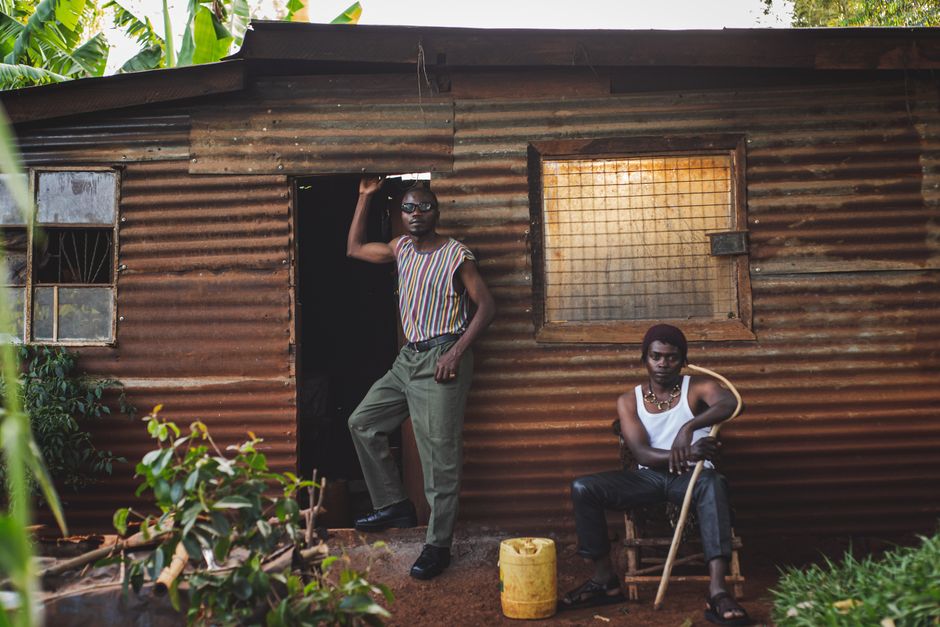
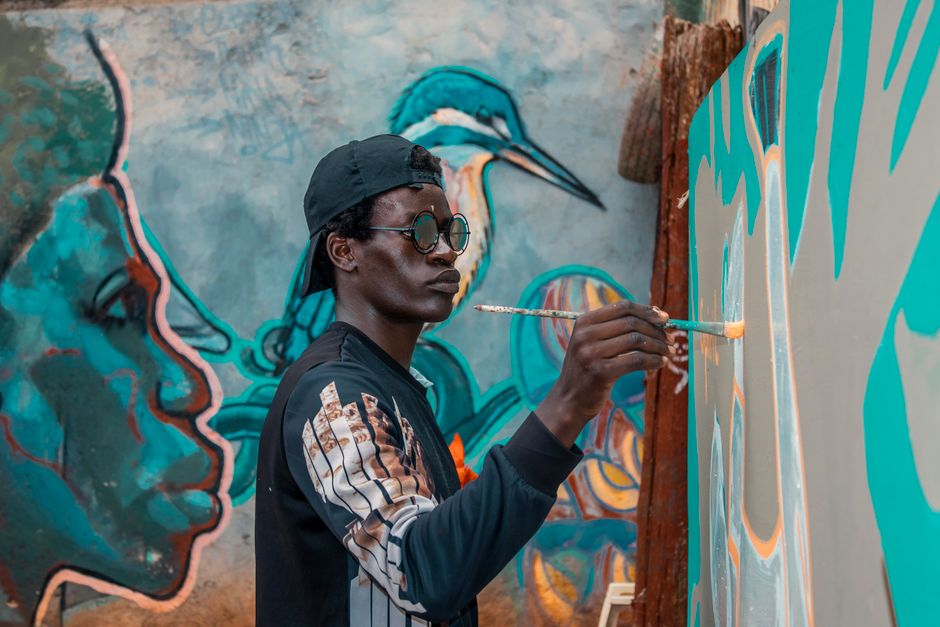
Nairobi’s cultural engine is humming today, even as record-breaking heat waves elsewhere force city officials to shutter public gatherings. From the labyrinthine alleys of Jericho to the polished galleries in Westlands, local creatives are launching a series of pop-up exhibitions and spoken-word sessions that highlight a shift away from traditional commercial galleries toward community-owned collectives.
The push for decentralization is a direct response to the rising cost of exhibition space in formal business districts. Where once artists relied on elite patron networks, today’s creators are turning to abandoned industrial warehouses and repurposed shipping containers to host their work. This shift represents a rejection of the high-commission gallery model, a trend that has picked up significant speed since the Nairobi Art Fair reported a 30 percent decline in vendor participation last October.
The epicenter of this movement sits on the edge of the Industrial Area, specifically within the sprawling compound of The GoDown Arts Centre. Since the recent completion of their ambitious structural expansion, the venue has become a magnet for experimental theatre troupes and digital artists who previously had no permanent base. Across town, the Nafasi Art Space in Loresho has pivoted its programming to focus exclusively on local mentorship, prioritizing young talent from under-represented estates over established high-market names.
Data from the Nairobi Creative Economy Report indicates that independent art spaces in the city saw an influx of 14,000 visitors during the first quarter of 2026, a jump from just 8,500 during the same period in 2025. Access to these events is affordable; most entry fees remain capped at 500 shillings, ensuring the demographic stays young and local rather than shifting toward the expatriate-heavy crowd that dominates the luxury hotel art circuits in Gigiri.
Behind the success of these venues are figures like the founders of the Creative Collective Nairobi, who spent the last six months lobbying the County Government for tax relief on small-scale cultural enterprises. Their advocacy was rooted in the reality of post-pandemic financial strain, where overheads for lighting, sound, and security often exceeded 150,000 shillings per weekend event. By pooling resources and equipment, these collectives have effectively lowered the barrier to entry for creators who might otherwise be priced out of the city's discourse.
If you are looking to engage with this scene tonight, head toward the outskirts of Kilimani or the studios nestled behind the shops on Argwings Kodhek Road. The most authentic conversations are happening in the open-air courtyards after the evening performances, where the barriers between performer and audience dissolve. Expect long lines at the entry points and bring cash for the informal vendors—this is an economy built on direct, grassroots exchange, and digital payment systems are often the first thing to fail when a venue reaches capacity.
How does this story make you feel?
Spread the word
About this article
Published by The Daily Nairobi
Daily brief
Free, in your inbox before 7am. Weekdays.
More in culture