Nairobi's Weekend Cultural Surge Marks Shift in How the City Sees Itself
From Westlands galleries to Kasarani music festivals, this weekend's events reveal a city increasingly confident in defining its creative identity on its own terms.
From Westlands galleries to Kasarani music festivals, this weekend's events reveal a city increasingly confident in defining its creative identity on its own terms.
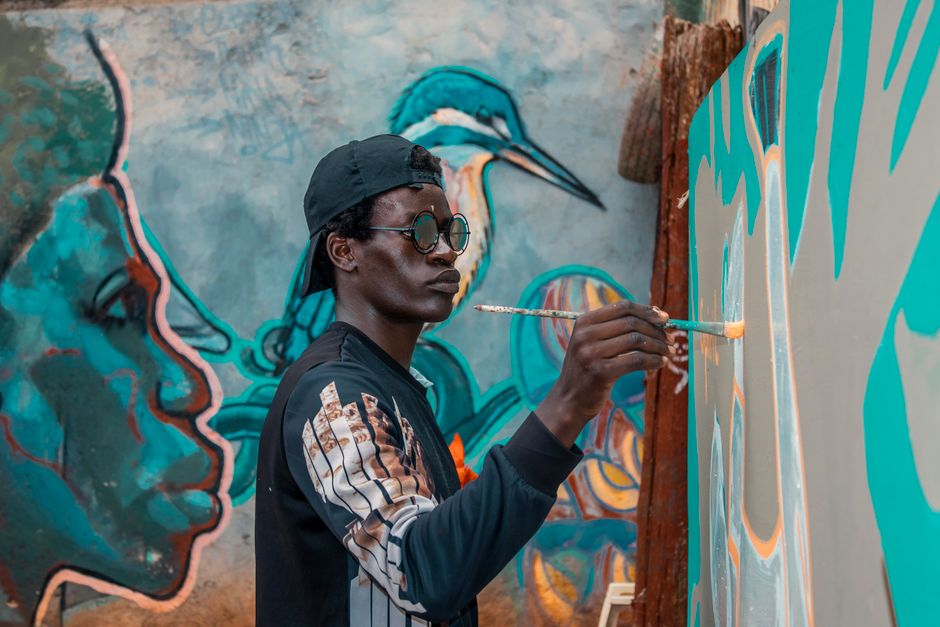
Nairobi's cultural calendar this weekend reads like a city asserting ownership over its own narrative. Friday sees the opening of Pata Pata Art Gallery's three-month retrospective on contemporary East African sculptors in the Kilimani district, while simultaneously, the Safaricom Jazz Festival kicks off its five-day run at the Safari Park Hotel in Nairobi's outer suburbs, drawing an expected 12,000 attendees across the weekend. The programming—neither derivative nor defensive—signals something deeper than mere event scheduling. It reflects how Nairobi has begun to articulate what it means to be culturally significant without waiting for external validation.
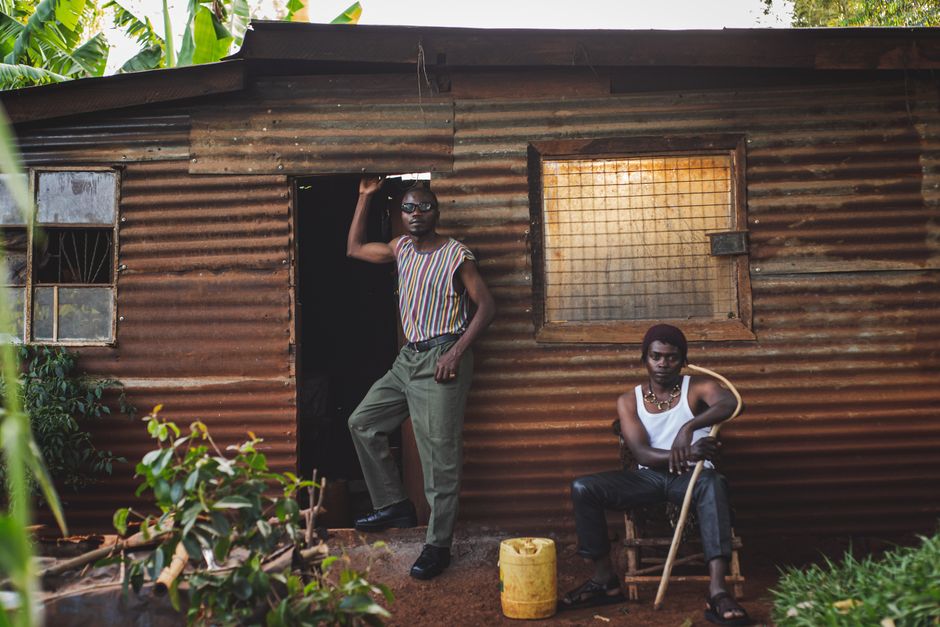
The timing matters. As global attention fragments across competing crises and celebrity spectacles, Nairobi's arts institutions have stopped hedging. They're no longer secondary to Lagos's gallery scene or apologetic about lacking the infrastructure of Johannesburg. Instead, the city's creative class has spent the last 18 months building what amounts to a parallel cultural ecosystem—one rooted in Nairobi's specific geography, its particular mix of communities, and its unfinished conversations about identity.
The Pata Pata opening matters tactically. Located on Kilimani's Argwings Kodhek Road, the gallery has positioned itself deliberately outside Nairobi's traditional affluent art corridor in Westlands. Pricing at 500 shillings for general admission—roughly $4—signals intention. The retrospective includes work from 34 artists across Kenya, Uganda, and Tanzania, but the curatorial choice centers Nairobi-based practitioners. Kariuki Gitau, the gallery's director, told colleagues the decision was simple: stop treating Nairobi as a waypoint for art that gets validated elsewhere.
Meanwhile, the Safaricom Jazz Festival's shift away from its long-standing Nairobi City Park venue to the Safari Park Hotel reflects harder mathematics. The move accommodates expanded programming—this year adds a dedicated World Music stage and a three-day artist residency program—but it also signals the festival's confidence that Nairobi audiences will follow venues, that attendance isn't tethered to downtown prestige. Last year's edition drew 8,600 people across the weekend. Organizers expect the new location to push that to 12,000, suggesting Nairobi's appetite for live music hasn't plateaued but rather been constrained by venue limitations.
The economics of this weekend's programming reveal structural shifts. Entry prices across Nairobi's cultural venues have remained flat for two years despite inflation running at 6.8 percent nationally. That's a choice, not accident. When the Nairobi International Film Festival ran its spring edition in April, it sold 4,200 tickets across ten days at an average price of 800 shillings. The organizers absorbed margin pressure rather than price out local audiences. This weekend's art and music events follow the same logic: accessibility as cultural policy.
There's also the matter of who's funding this. The Safaricom Jazz Festival operates on a budget Safaricom pegs at 47 million shillings annually. That's substantial, but what's notable is the split: roughly 60 percent comes from corporate sponsorship, 30 percent from gate receipts, and 10 percent from government arts grants. That ratio would have been unthinkable five years ago, when government support for arts programming in Nairobi averaged just 4 percent of festival budgets. Cultural institutions have stopped waiting for state backing and built sustainable models around private investment and earned revenue.
If you're planning to attend: the Pata Pata retrospective runs through September 30. Safaricom Jazz Festival tickets—2,500 shillings for single-day passes, 5,500 for weekend access—are available through Ticketmaster Kenya's Nairobi offices on Standard Street in the CBD or online. Parking is abundant at Safari Park Hotel, unlike venues in central Nairobi. Expect heat; Friday's forecast peaks at 31 degrees Celsius. Friday evening draws the largest crowds; if you prefer breathing room, Saturday morning or Sunday afternoon offers quieter access to the same programming.
How does this story make you feel?
Spread the word
About this article
Published by The Daily Nairobi
Daily brief
Free, in your inbox before 7am. Weekdays.
More in culture