From Karura to K1: How Today’s Cultural Happenings Are Shaping Nairobi’s Creative Identity
A swirl of exhibitions, performances, and community projects across Nairobi today offers a vibrant snapshot of the city’s evolving arts landscape.
A swirl of exhibitions, performances, and community projects across Nairobi today offers a vibrant snapshot of the city’s evolving arts landscape.
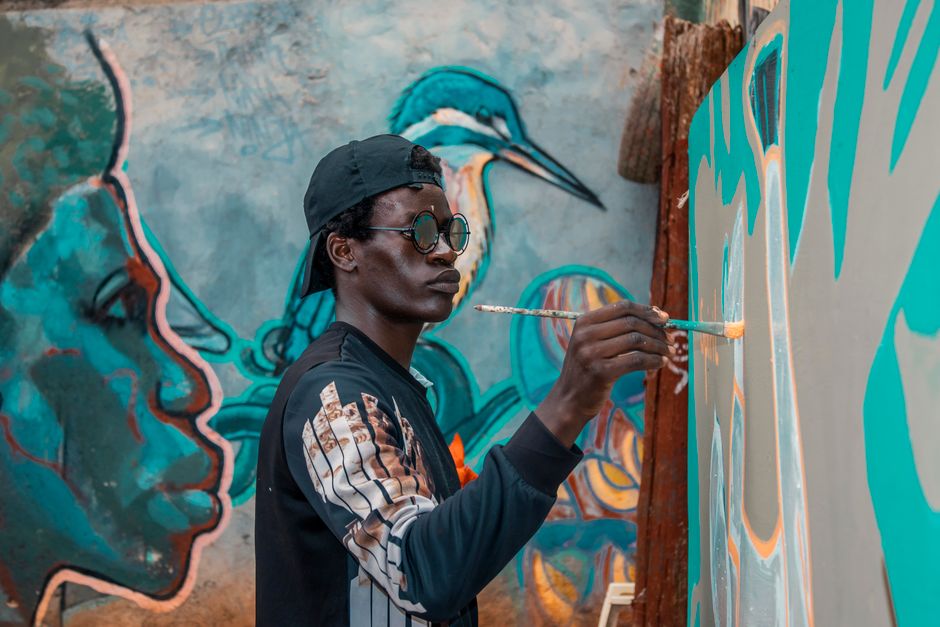
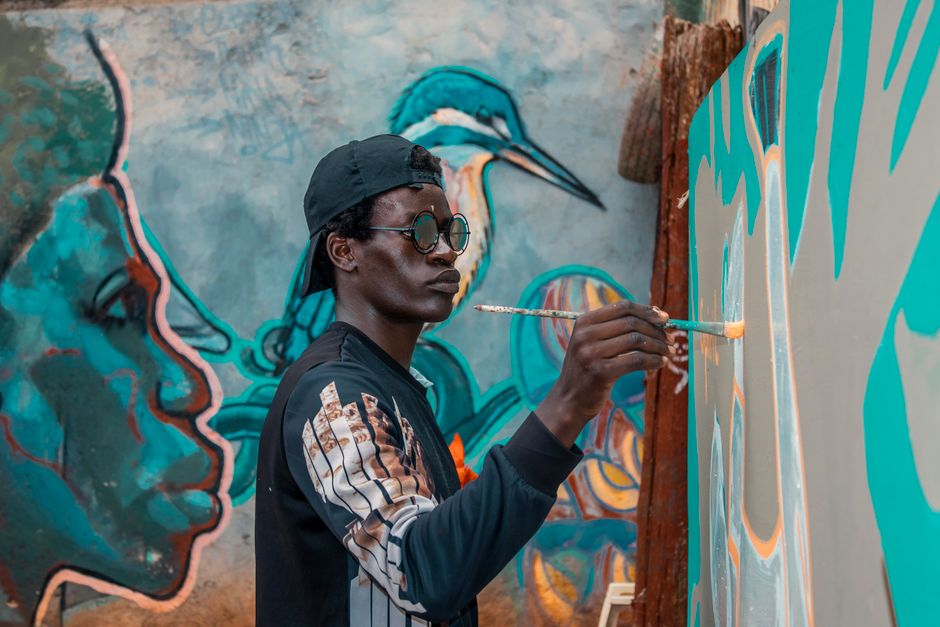
On this Saturday, July 4, 2026, Nairobi pulses with a rich array of cultural events that are steering the city's creative and cultural identity towards new horizons. From immersive art exhibitions at the Circle Art Gallery in Westlands to open-air poetry slams in Karura Forest, the city today is a microcosm of its artistic fervor.
In the middle of a decade marked by rapid urban growth and demographic shifts, Nairobi’s creative sector is not just entertainment—it's an assertion of identity. The city, long known as East Africa’s commercial hub, is leveraging its diversity of voices and traditions through contemporary arts. These events link the burgeoning youth culture with Nairobi’s historic roots and global aspirations, dynamically shaping how the city defines itself both regionally and on the world stage.
Current initiatives fuel this momentum. For instance, the Nairobi Metropolitan Arts Programme (NMAP) has facilitated monthly cross-disciplinary events since 2024, nurturing collaboration between visual artists, musicians, and writers drawn from the city’s numerous ethnic communities.
At the Circle Art Gallery, located on Ruaraka Road in Westlands, the "Urban Realities" exhibition opened today, showcasing a dozen Nairobi-based artists exploring themes of migration and digital transformation. The gallery’s director confirmed attendance is expected to surpass 1,500 visitors by the weekend’s end.
Meanwhile, in Karura Forest, the annual Forest Voices Festival is under way. This event combines environmental activism with art and performance, featuring workshops on storytelling and sustainable practices hosted under the iconic Cherangany Arboretum. Entry is pegged at 500 Kenyan shillings, drawing families and young creatives alike from neighbourhoods like Kilimani and Lavington.
Elsewhere, K1 Klub House on Karuna Road hosts an evening lineup of emerging musicians blending traditional Luo and Kikuyu sounds with contemporary hip-hop. Tickets cost around 700 shillings, with a significant portion of proceeds supporting local music education programs.
Data collected from these venues and events point to a significant uptick in participation and public investment in Nairobi's arts scene. The Nairobi City County’s Culture and Arts Department reported a 38% increase in attendance at cultural sites between July 2025 and June 2026. Public funding for community-based artistic projects also rose by 25% in the last fiscal year, a reflection of policy shifts aimed at promoting creative economies.
Economic analysts estimate that Nairobi’s creative sector now contributes approximately 5.4% to the city’s GDP, supported by a workforce of more than 23,000 artists and cultural practitioners. This momentum has a tangible impact: venues and neighborhoods associated with arts and nightlife are witnessing growing real estate interest and small business openings, particularly in areas like Westlands and Kilimani.
These figures underscore how cultural engagement is not just artistic—it is a key engine of urban development and social cohesion.
Nairobi’s cultural calendar is rich in opportunities throughout July and beyond. The Circle Art Gallery’s “Urban Realities” exhibition continues through the end of the month, with scheduled artist talks every Sunday afternoon. Tickets are 300 shillings.
The Forest Voices Festival wraps up tomorrow but plans for an expanded summer edition are underway, potentially involving collaboration with local schools to embed creative environmental education.
For those keen on experiencing the city’s music scene firsthand, K1 Klub House holds weekly showcases every Friday and Saturday. Emerging artists looking to perform can apply via their official website; the next open mic night is scheduled for July 10.
These cultural offerings serve as more than entertainment; they are building blocks in Nairobi’s evolving identity—a fusion of tradition, innovation, and community spirit that continues to define the city’s standing in Africa’s cultural map.
How does this story make you feel?
Spread the word
About this article
Published by The Daily Nairobi
Daily brief
Free, in your inbox before 7am. Weekdays.
More in culture