Nairobi's Cultural Renaissance: The Community and Movement Driving This Cultural Shift
A new wave of creatives and entrepreneurs is transforming the city's cultural landscape, with a focus on community-driven initiatives and collaborative spaces.
A new wave of creatives and entrepreneurs is transforming the city's cultural landscape, with a focus on community-driven initiatives and collaborative spaces.
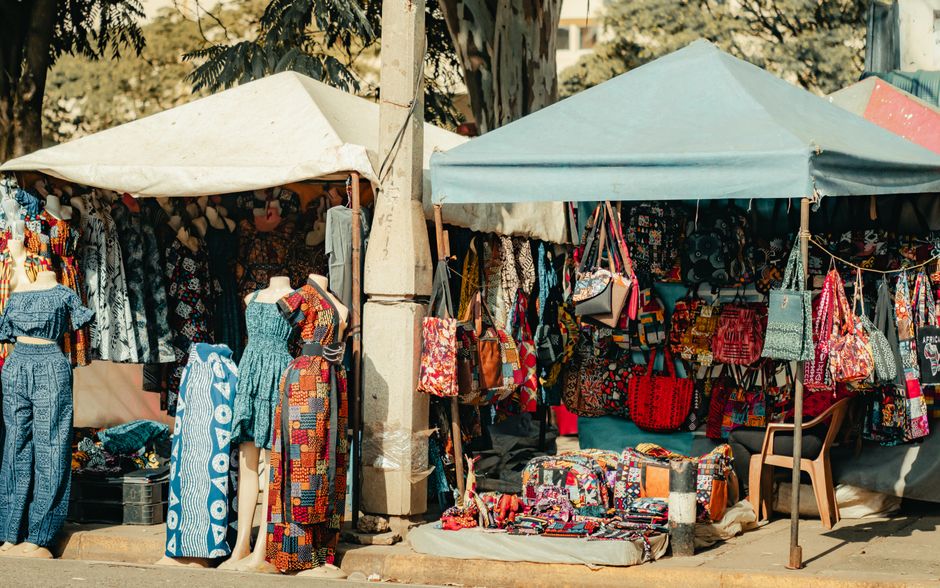
Today, July 4, 2026, Nairobi is buzzing with creative energy, as the city's cultural scene continues to evolve and thrive. At the heart of this transformation is a community of innovators, artists, and entrepreneurs who are driving a cultural shift towards a more vibrant, inclusive, and collaborative city.
This cultural shift matters now more than ever, as Nairobi solidifies its position as a major global city. With a growing population of young, urban dwellers, the demand for unique cultural experiences, creative spaces, and community-driven initiatives is on the rise. The city's cultural scene is no longer just about traditional events and venues, but about creating a sense of belonging and connection among its residents. As the city's economy continues to grow, with a projected GDP growth rate of 5.5% in 2026, according to the Kenya National Bureau of Statistics, the cultural sector is poised to play a significant role in shaping Nairobi's identity and attractiveness to tourists and investors alike.
In Nairobi, this cultural shift is being driven by a range of community-driven initiatives and collaborative spaces. The GoDown Arts Centre, located on Dunga Road, is a hub for creative expression, offering studios, galleries, and performance spaces for local artists. The centre has become a beacon for the city's creative community, with over 50 artists and organisations calling it home. Similarly, the Nairobi National Museum, situated on Museum Hill, is a popular destination for cultural events, exhibitions, and performances, with a focus on showcasing Kenya's rich cultural heritage. Other notable venues, such as the Kenya Cultural Centre on Harry Thuku Road and the Alliance Francaise on Monrovia Street, are also contributing to the city's vibrant cultural landscape.
According to a recent report by the Kenya Tourism Board, cultural tourism is on the rise in Nairobi, with a 15% increase in visitors to cultural attractions in 2025 compared to the previous year. The report also notes that the average tourist spends around KES 12,000 (approximately USD 100) per day on cultural activities, with many opting for guided tours, workshops, and interactive experiences. With over 70% of Nairobi's population under the age of 35, according to the Kenya National Bureau of Statistics, the city's cultural scene is well-positioned to capitalize on this demographic trend. As of 2026, the city is home to over 20 cultural festivals and events, including the Nairobi International Film Festival, the Koroga Festival, and the Lake Turkana Festival, which attract thousands of visitors each year.
So, what's next for Nairobi's cultural scene? As the city continues to grow and evolve, it's likely that we'll see even more innovative and community-driven initiatives emerge. For those looking to experience the best of Nairobi's culture, consider visiting the city's vibrant neighbourhoods, such as Kileleshwa, Kilimani, and Westlands, which are home to a range of cultural attractions, restaurants, and bars. With its rich cultural heritage, creative energy, and collaborative spirit, Nairobi is poised to become one of Africa's most exciting and dynamic cultural destinations. Whether you're a local or just visiting, there's never been a better time to explore and experience the city's unique cultural landscape.
How does this story make you feel?
Spread the word
About this article
Published by The Daily Nairobi
Daily brief
Free, in your inbox before 7am. Weekdays.
More in culture