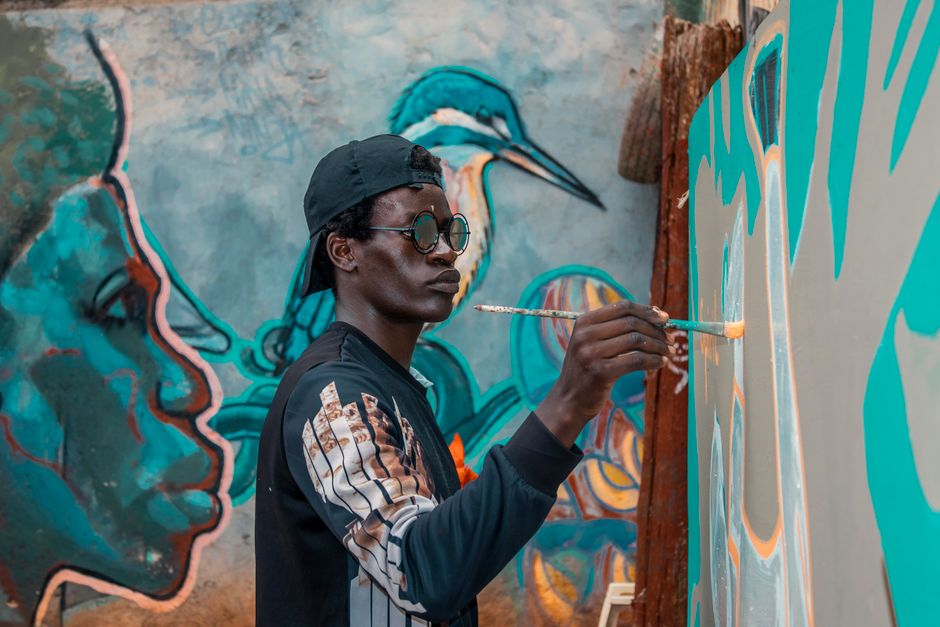
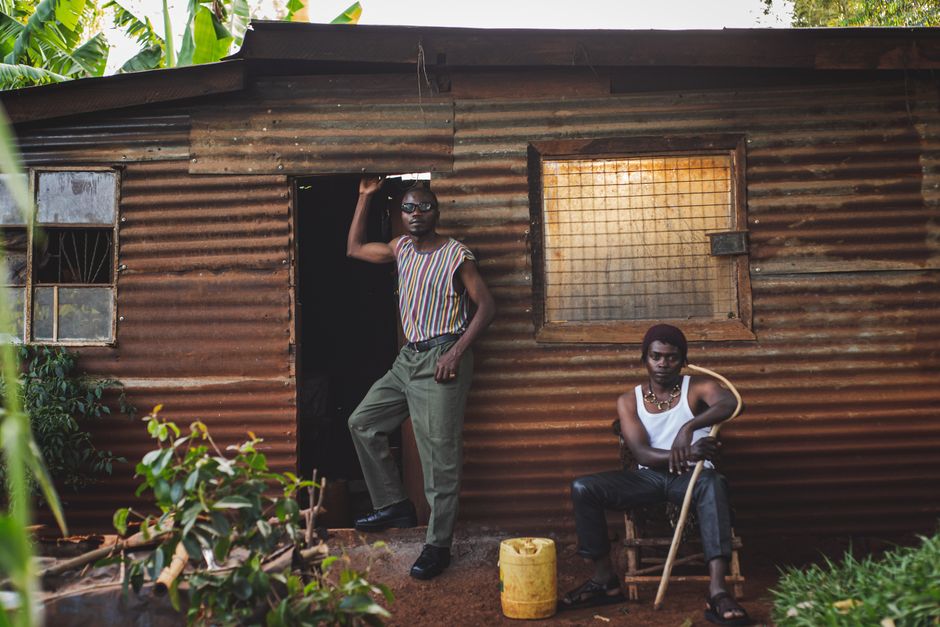
The Kibera Film Festival opens Friday night at the Nairobi National Museum's auditorium with a 90-minute documentary about informal settlement youth filmmakers. It's a modest announcement on paper. But for anyone tracking how Nairobi's cultural infrastructure has shifted in the past fifteen years, the festival represents something larger: the mainstreaming of creative work that once happened in cramped studio apartments and borrowed community halls.
Two decades ago, Nairobi's weekend entertainment scene ran along narrow tracks. Tourists stuck to the Norfolk Hotel on Harry Thuku Road or Carnivore Restaurant in the Langata suburb. Local musicians played small venues like Messiah Club or the defunct Sapphire Lounge off Koinange Street. Theatre existed—the National Theatre on Taifa Road had shows—but it catered to a predictable audience. Cultural work happened, certainly. But it didn't move markets or draw international attention the way it does now.
Today's weekend offers a window into how completely that has shifted. Beyond the Kibera Film Festival, the Nairobi Design Week continues through Sunday at venues across Westlands and the CBD, while the Kenya National Dance Theatre Company presents a new contemporary choreography piece Saturday at the Kenya National Theatre. The Artisan Market at Bomas of Kenya runs all weekend. These aren't niche events tucked away from mainstream attention—they're covered by international media, attended by curators and collectors, and economically significant enough that organizers now budget for streaming capacity.
The Shift From Survival to Sustainability
The transformation didn't happen overnight. In the mid-2010s, entrepreneurs and artists began clustering in specific neighbourhoods. Eastleigh became known for its fashion design scene. Kangemi attracted visual artists working in affordable studio spaces. The Nairobi Contemporary Art Institute opened in 2018 in the Kilimani area, providing institutional infrastructure that hadn't existed before. By 2021, the Creative Economy Council reported that arts and culture contributed approximately 5.2% to Nairobi's GDP, up from negligible measurement a decade earlier.
Venues themselves evolved. Spaces like the Goethe-Institut on Loita Street began hosting regular cultural programming. The I.D. Project in Parklands launched as a nonprofit gallery in 2019 and now hosts everything from visual art exhibitions to live music. These weren't venues created by international chains or hotel chains seeking profit. They emerged from demand—artists and audiences creating the infrastructure they needed because it didn't exist.
Ticket prices have climbed accordingly. A theatre production at the Kenya National Theatre now runs between 800 and 2,500 shillings depending on seat location and show. Art gallery openings in Westlands frequently charge cover fees of 500 shillings. That pricing would have been unthinkable fifteen years ago, when most cultural events were either free or charged nominal amounts. The increase reflects both professional production standards and a market willing to pay.
What's striking about this weekend's calendar is its diversity. The Kibera Film Festival specifically programs work by emerging filmmakers from underrepresented communities. The Design Week emphasizes sustainable fashion and local manufacturing. These aren't imported models or events designed to replicate what happens in Lagos or Addis Ababa. They're distinctly Nairobi—responding to local conditions, local talent, and local audiences who now have expectations that didn't exist when the decade started.
What Organizers Say Comes Next
Festival organisers and venue managers consistently point to one challenge: international visibility hasn't yet translated into proportional funding. A cultural manager at one of Nairobi's established galleries told me last month that securing sponsorship from Nairobi-based corporations remains harder than securing it from international foundations. That funding dynamic shapes what gets made and who gets to make it.
If you're planning to attend any of this weekend's events, book ahead for theatre productions—the Kenya National Theatre's Saturday show sold 60% of its seats by Thursday morning. Most gallery openings and design week events are drop-in. Parking in Westlands and the CBD fills quickly on Saturday afternoons. The Bomas of Kenya Artisan Market is most crowded between 10 a.m. and 2 p.m. on both days.