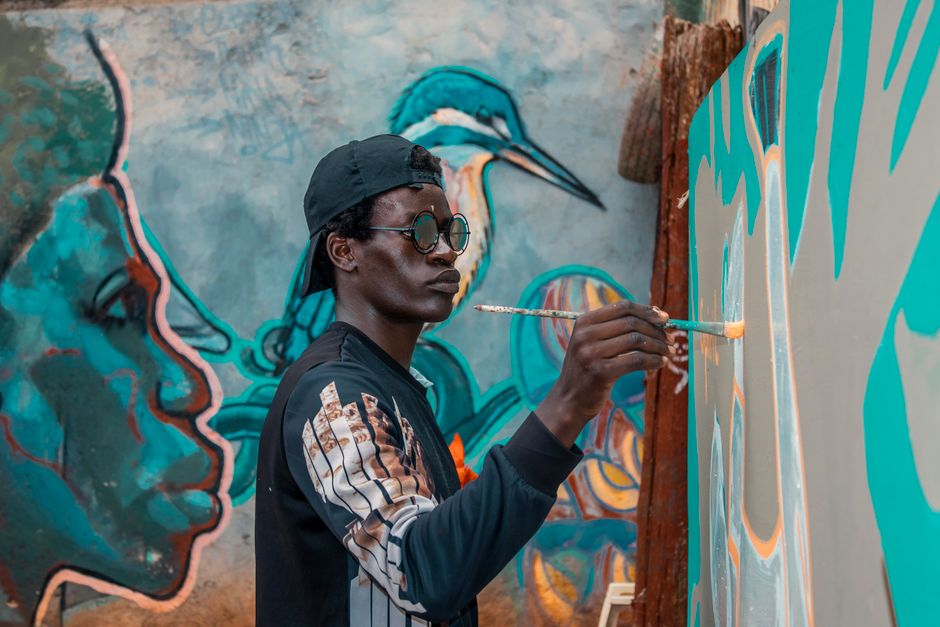
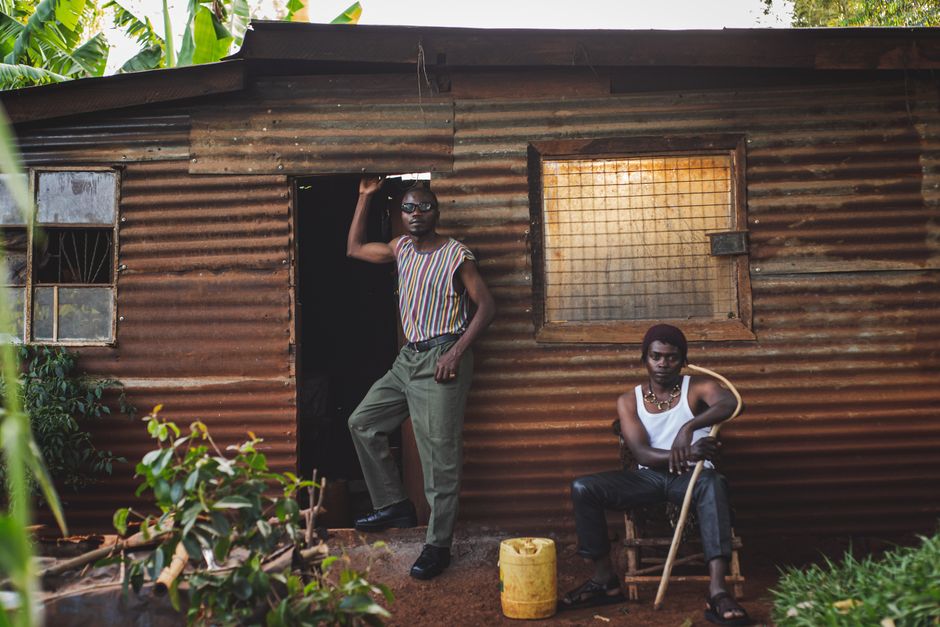
The thermometer hit 31 degrees Celsius by noon today, but that hasn't stopped crowds from trickling into the Kenya National Theatre on Harry Thuku Road. It's Saturday. Three exhibitions are running simultaneously: a retrospective of contemporary Kenyan photography, a live installation by Mukurwe Collective exploring digital identity, and a showcase of emerging designers from Kibera and Eastleigh. This is Nairobi in 2026—sweating through its own creative identity crisis and finding answers in spaces that once felt peripheral to the city's cultural establishment.
The timing matters. While Fourth of July celebrations cancel across American cities due to extreme heat, and global attention fractures across Iran's succession crisis and Sudan's humanitarian collapse, Nairobi is quietly consolidating something distinct. The city's creative class is no longer chasing international validation through London galleries or New York auction houses. They're building ecosystems here. The temperature, perversely, has become a form of filter—only the committed show up.
Where the Real Work Happens
Walk down Ngong Road this afternoon and you'll find Chakula Galleries hosting a sound design workshop until 6 p.m. The space, tucked between a hardware store and a mobile money agent, has been operating for four years and now hosts monthly artist residencies. Three blocks north, in a repurposed industrial unit off Kenyatta Avenue, the Nairobi Design Centre has expanded its workshop program to six days a week. Their metalwork and textile studios are booked solid through August. Across town in Westlands, a former office complex on Limuru Road has been subdivided into 24 artist studios renting at 8,000 shillings monthly—a fraction of what similar spaces cost in Nairobi's CBD just five years ago.
These venues aren't accidents. They're the result of three years of grassroots organizing. In 2023, a coalition called Creative Nairobi Network began publishing data on studio closures and rising rents pushing artists into the suburbs. That pressure led to zoning amendments in Nairobi County in 2024, allowing mixed-use spaces to operate in industrial zones. The effect has been measurable. According to a survey by the Arts and Culture Trust released in March 2026, the number of active artist collectives in Nairobi grew from 43 to 89 in two years. Monthly foot traffic through artist-run galleries on Ngong, Kenyatta and Valley Road averaged 3,200 visitors in June alone.
The Summer Soundtrack Reshaping the City
Tonight, three separate music events will draw crowds. The Carnivore grounds in Nairobi National Park is hosting an electronic music festival featuring producers from Eastleigh and Mathare who've spent the last 18 months producing work in home studios. Ticket prices started at 1,500 shillings. Meanwhile, Warehouse Forty-Eight, a converted printing facility in Industrial Area, is running its monthly Acoustic Nairobi series, and the Goethe Institut on Loita Street is premiering a documentary about street musicians in Kariobangi North.
What's happening today isn't new for Nairobi. The city has always had vibrant creative communities. What's changed is visibility and infrastructure. Where artists once worked in isolation or migrated to South Africa and Uganda, they're now staying. They're collaborating. They're setting terms rather than accepting them. The heat, counterintuitively, has accelerated this. Venues that might have relied on tourist traffic have pivoted to serving local audiences. Production costs have stayed flat while audience engagement has grown.
If you're in the city this weekend, check the Creative Nairobi Network's updated directory on their website for venue locations and hours. Many spaces close by 7 p.m. to manage electricity costs. Bring cash—most studios don't process card payments reliably in the heat. And expect the unexpected. That's what July in Nairobi has become: the month when the city's creative infrastructure stops performing for outsiders and starts defining itself.