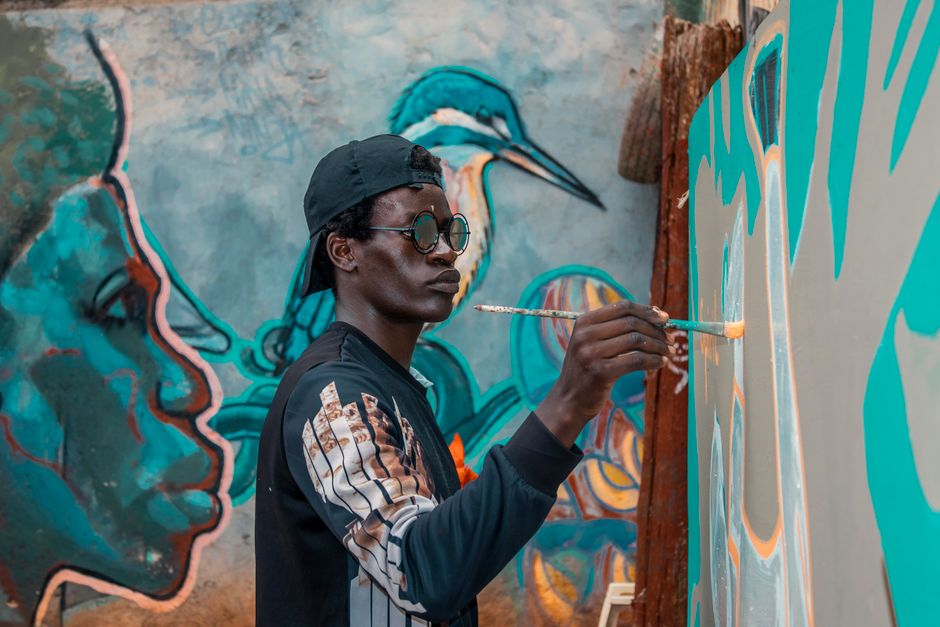
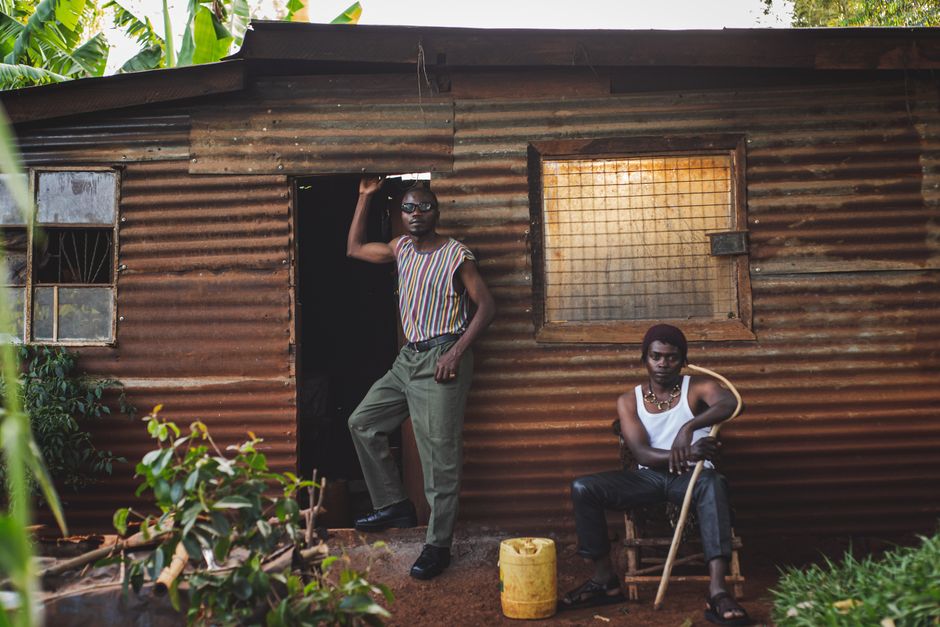
Nairobi's events calendar this weekend reads like a manifesto of cultural ambition. The Blankets and Wine festival returns to Nairobi City Park with performances spanning Afrobeats, jazz, and spoken word. Simultaneously, the Nairobi Contemporary Art Museum launches its mid-year exhibition in Kilimani, while the Kenya Music Festival (Fest) takes over multiple venues across the CBD. What distinguishes this particular weekend isn't the sheer volume of events—that's become routine here—but rather what it signals about how dramatically this city's cultural identity has transformed over two decades.
Ten years ago, Nairobi's cultural scene was fragmented and largely invisible beyond Kenya's borders. Live music happened in hotel ballrooms or scattered clubs along Westlands Avenue. Contemporary art existed in small galleries, many housed in converted residential spaces. The city had no central identity as a creative destination. Today, the weekend event economy generates millions in revenue, attracts international talent, and has spawned a generation of Kenyan artists who build global careers without leaving the country. The shift matters because it reflects how African cities are no longer waiting for permission or infrastructure from elsewhere—they're building their own cultural institutions from scratch.
From Garage Venues to Institutional Legitimacy
The Nairobi music scene's evolution is traceable through geography. In 2012, live venues were concentrated around Tatu City, Muthaiga, and scattered tourist hotels in Upper Hill. Thorn Tree Café on Kenyatta Avenue hosted open mics that drew tiny, devoted crowds. The Safari Park Hotel in Nairobi National Park was where serious musicians went to perform for audiences who actually paid attention. There were no dedicated concert halls designed for local artists. Productions happened in whatever space could be rented for the night.
This changed with the opening of The Warehouse in Karen (2015) and later Safari Park's dedicated music venue, Carnivore Restaurant's integration of live programming, and the establishment of Kenya National Theatre's contemporary music program. The Nairobi Contemporary Art Museum, which opened formally in 2019 in Kilimani, represented something more significant than a single institution—it signaled that collectors, artists, and institutions were betting on permanent infrastructure rather than temporary pop-ups. The museum's opening was preceded by the establishment of Kuona Trust's creative studios in Kawangware, which since 2010 has converted industrial spaces into artist residencies and exhibition halls accessible by public transport rather than requiring a car journey to leafy suburbs.
Weekend event attendance data tells the story. Blankets and Wine, which started in 2012 as an experimental picnic concept drawing 300 people, now sells approximately 8,000 tickets per event at 3,500 Kenyan shillings (roughly $27 USD) per person. The Kenya Music Festival, relaunched in 2022 after a decade hiatus, attracted 45,000 attendees last year across its four-day program. That represents a market that barely existed fifteen years ago.
Building Architecture, Building Futures
The physical transformation of neighborhoods reflects cultural investment. Westlands, once primarily a business district, now hosts live music venues open Thursday through Sunday. Karen and Kilimani have become arts destinations. Nairobi's CBD, despite challenges with street safety and infrastructure, has seen the Kenya National Theatre undertake a renovation program emphasizing contemporary performance rather than classical theater exclusively. The Goethe Institute on Loita Street regularly hosts film screenings, lectures, and performances that blend international and Kenyan work.
This weekend's events span multiple price points and neighborhoods specifically because the infrastructure now exists. Blankets and Wine operates on a tiered pricing system, with early-bird tickets at 2,500 shillings and standard admission at 3,500. The Nairobi Contemporary Art Museum's opening exhibition (general admission 500 shillings) reaches audiences who might not attend commercial events. Street performances and informal performances happen organically across Nairobi National Park and along River Road.
Visitors planning their weekend should check individual venue websites for final scheduling—heat waves similar to those disrupting events across other continents occasionally cause last-minute changes. The cultural institutions have become reliable enough that weekend planning is now routine rather than a gamble on whether an event will actually happen. That reliability, built quietly over fifteen years, is itself the story worth celebrating.