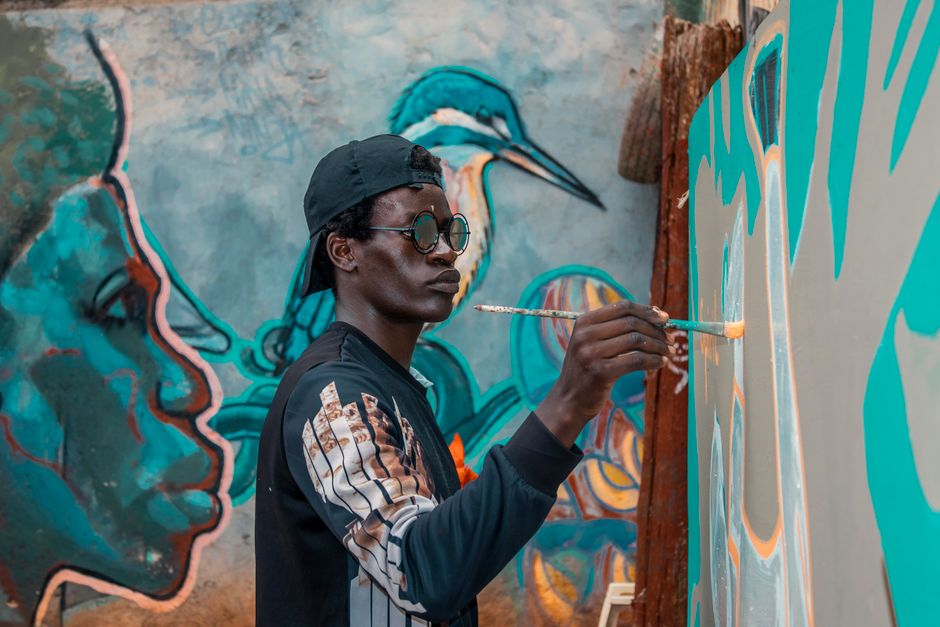
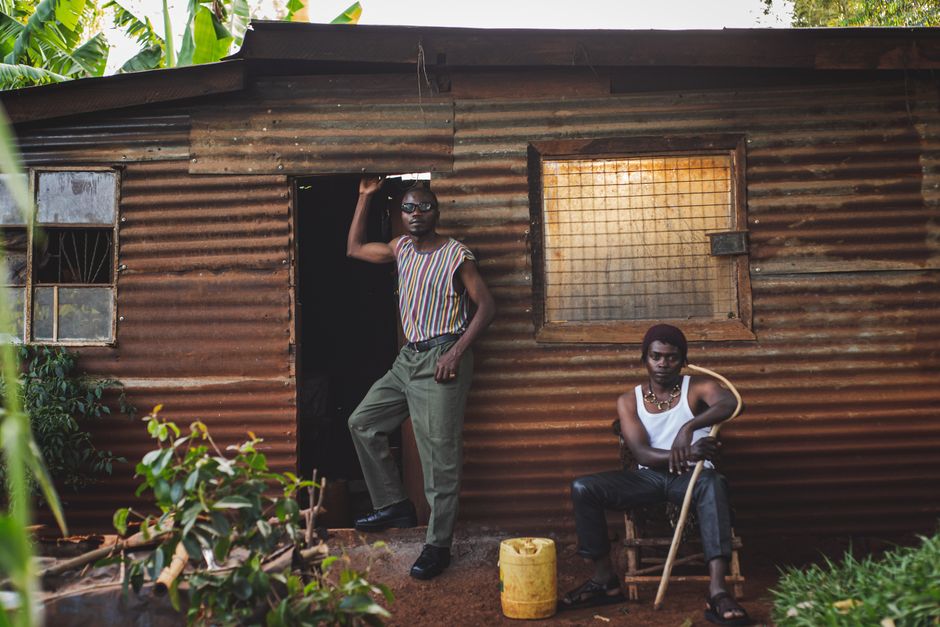
Nairobi is ignoring the global trend of July 4th stagnation, opting instead for a deliberate, high-energy expansion of its local creative sector. From the workshops tucked into the corners of Industrial Area to the galleries blooming along Rhapta Road, the city is moving away from purely consumer-facing events toward a production-heavy cultural identity. This shift marks a departure from Nairobi's historical reliance on imported entertainment, signaling a new era of locally-owned intellectual property.
The Industrial Area’s New Wave
The transition is most visible within the warehouses of the Industrial Area. Spaces like the Boma Workshop collective have spent the last six months pivoting from retail to collaborative production, bringing together film editors, textile designers, and independent software developers. This integration is no longer a niche pursuit; it is a defensive strategy to insulate Nairobi’s creative output from shifting global economic currents. By controlling the means of production—the cameras, the servers, and the looms—these creators are building an economy that relies on internal traffic rather than external validation.
This structural change in how art and design are produced suggests that Nairobi is no longer just a consumer of global culture, but a primary manufacturer of its own aesthetic. When you walk into the exhibition space at the Circle Art Gallery in Lavington, you aren't just seeing finished pieces; you are seeing the result of a logistical network that spans from the informal markets of Gikomba to high-end digital studios in Westlands. The identity being forged here is defined by this friction: a blend of raw, street-level ingenuity and refined, globally-competitive technique.
Data and the Cost of Creativity
The metrics supporting this shift are clear. According to the 2026 Creative Sector Impact Report published by the Nairobi County Department of Culture, there has been a 14% increase in small-scale creative ventures registered in the Kilimani and Riverside corridors since January. The average cost to rent shared studio space at hubs like the GoDown Arts Centre currently hovers around 25,000 KES per month, a price point that has stayed stable despite inflationary pressures elsewhere in the city. This stability is intentional, maintained by private-public partnerships designed to keep the city's young demographic from moving their output offshore.
For those looking to engage with this shift today, the path is away from the mainstream. Tonight’s schedule at the Alchemist Bar in Westlands focuses entirely on locally-produced experimental electronic music, stripping away the global top-40 reliance that characterized the venue’s programming five years ago. My advice is to skip the main thoroughfares. Head to the smaller, independent venues along Ngong Road where the sound is being engineered from the ground up. The city is currently in a phase of heavy experimentation; if you arrive late to a session, you risk missing the pivot points that will define the local music and fashion charts by the end of the year.