The July 4th weekend in Nairobi looks nothing like the cancelled fireworks and heat-shuttered festivals closing down American cities. Instead, the Kenyan capital is hosting something more sustained: a season of cultural programming that has quietly become central to how the city defines itself to the world.
This matters now because Nairobi is competing for attention at a moment when global tourism patterns are fragmenting. While some destinations lose visitors, others gain by positioning themselves as places where creativity happens year-round. The Gallery Watatu collective on Ngong Road and the Nairobi Contemporary on Moktar Daud Mohamed Street both have fresh exhibitions opening this week, part of a deliberate push to anchor the city's identity around art rather than just business and finance.
Where Creativity Is Actually Concentrated
Walk down Kimathi Street on any Saturday afternoon and you'll see what this means in practice. The street has become a gallery walk of sorts, with small galleries, independent bookshops, and coffee venues rotating exhibitions monthly. The Nairobi Design Week programming, which runs through mid-July, has brought 47 participating studios and makers into public view—up from 23 in 2024, according to the organising collective. That's not accidental growth. It reflects decisions made by venue operators, city officials, and artists working together to make the creative sector visible.
The Godown Arts Centre in the Industrial Area remains a nerve centre for this activity. On any given evening, the complex hosts theatre rehearsals, documentary screenings, music events, and artist studios. Ticket prices run from 400 shillings for casual drop-ins to 1,200 for ticketed performances. This weekend, the venue is hosting a three-day experimental music festival that draws producers and listeners from East Africa and beyond. The programming strategy is deliberate: keep enough free or cheap entry points so the work stays accessible to local audiences, while generating revenue for artists through ticketed performances.
Data That Tells a Story About Investment
The numbers reveal how Nairobi is betting on this identity. The Arts Council Kenya allocated 85 million shillings to grassroots creative initiatives in 2024, a 34 percent increase from the previous budget cycle. Museums and galleries across the city reported a combined 340,000 visitors in the first half of 2026, compared with 280,000 in the same period last year. That's meaningful movement in a city with 4.2 million residents.
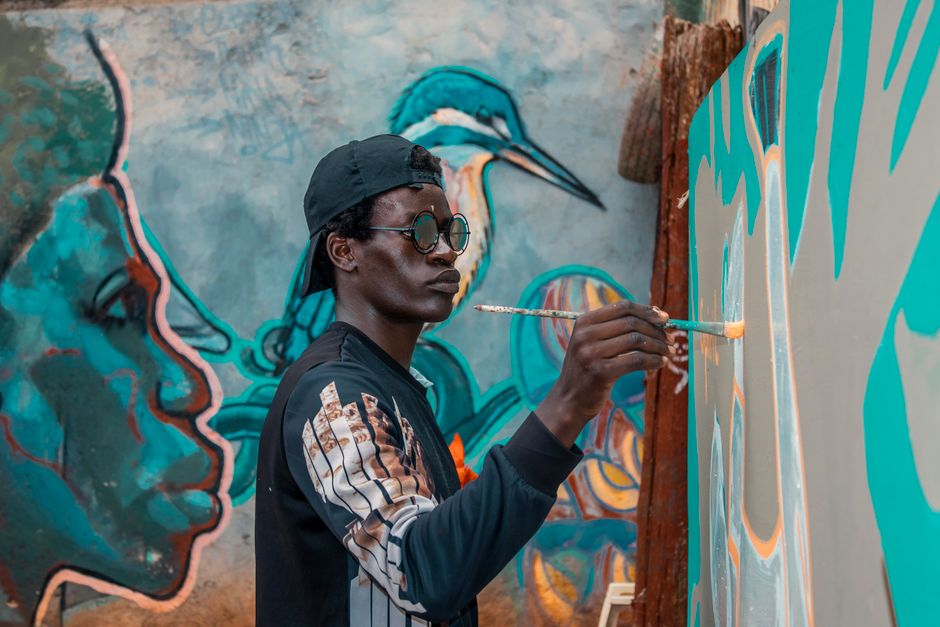
What makes this particularly significant is that the growth isn't concentrated in elite venues. The Kenya National Museum still draws crowds, but the real momentum is in smaller spaces: artist collectives in Eastlands, pop-up galleries in Kilimani, street art initiatives along the Nairobi River corridor. The city's young population—median age 22—is driving demand for venues where creative work happens in real time, where the audience can watch artists move from concept to finished piece.
Cultural events today run from Karen Photography Workshops offering weekend classes at 2,500 shillings to the free open-studio sessions at the Circle Art Gallery in Westlands. The Bomas of Kenya, 15 kilometres south of the city centre, hosts traditional music performances daily at 3 p.m., bridging tourist interest with local heritage practice. These aren't scattered initiatives. They're part of how Nairobi's identity is being constructed right now, in real time, by people making decisions about what gets funded and what gets visible.
If you're in the city this weekend, the practical move is simple: check what's actually open before heading out, because Nairobi's cultural calendar changes fast and venues announce programming on short notice. But the larger point is that this activity—messy, diverse, constantly shifting—is no longer peripheral to who Nairobi is. It's become central to how the city presents itself to itself and to the world.