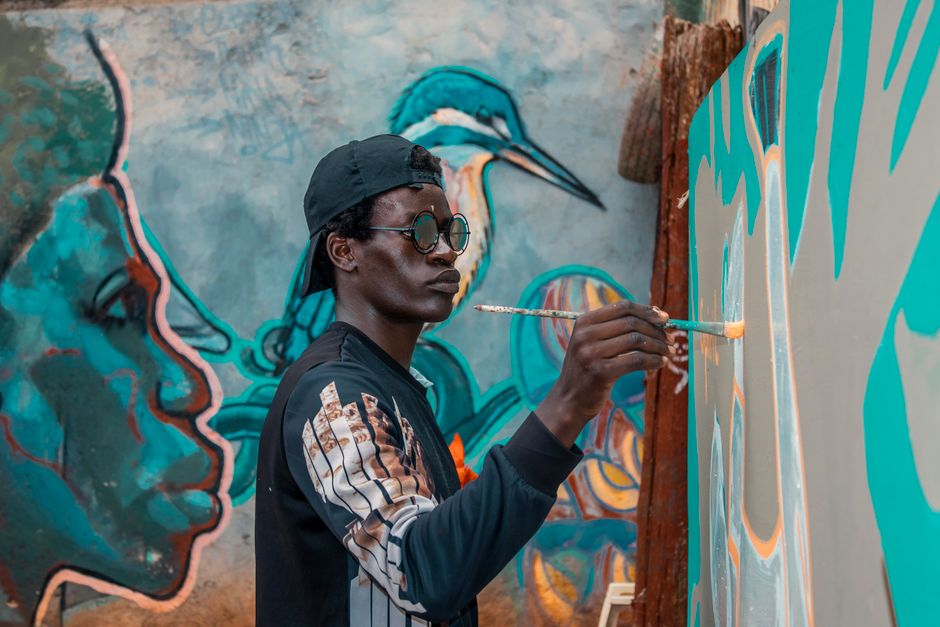
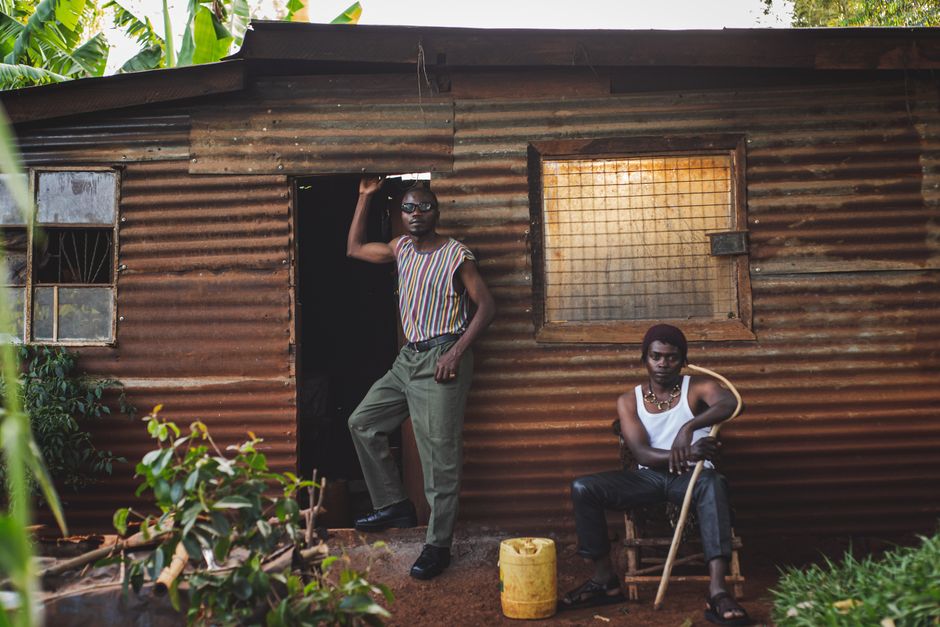
Nairobi’s cultural output is no longer waiting for international validation or government grants. This weekend, the city’s creative pulse shifts from the established, high-end galleries of Westlands to the decentralized, artist-run spaces in the Eastlands and Industrial Area. The shift marks a definitive move toward ownership, where artists are trading traditional exhibits for direct-to-consumer pop-ups and collaborative studio showcases.
The catalyst for this movement is the rising cost of professional exhibition spaces, which have seen rental premiums jump by 15% over the last fiscal year. Instead of paying exorbitant fees to established curators, independent collectives like the 'Uhuru Canvas' group are converting vacant manufacturing spaces on Lunga Lunga Road into temporary galleries. This isn't just about art; it’s about a refusal to participate in a market that has historically sidelined mid-level local talent.
Building an Independent Infrastructure
This weekend, the 'Kilimani Creative Exchange' at The Alchemist marks the third iteration of a program designed to bypass traditional auction houses. Organizers expect over 2,000 attendees to rotate through the venue between Friday evening and Sunday afternoon. Participation costs for individual artists have been capped at 2,000 KES, a sharp departure from the commission-heavy models seen at larger institutions like the Nairobi National Museum.
Data from the Arts and Culture Development Board indicates that micro-exhibitions have increased in frequency by 40% since January 2026. This data suggests that the city’s creative class is shifting resources away from institutional prestige and toward community-owned venues. In neighborhoods like Jericho, local painters are hosting 'porch galleries,' turning residential frontages into exhibition sites that draw hundreds of neighborhood residents rather than tourists.
What to Expect This Weekend
For those looking to engage with this shift, the most significant activity will be at the 'Industrial Art Week' located near the Enterprise Road corridor. Access to these spaces is largely non-ticketed, though some independent studios are requesting a 'solidarity contribution' of 500 KES to fund future material purchases for upcoming workshops. Unlike the sanitized atmosphere of a traditional gallery, expect unfiltered access to the creators themselves, who are prioritizing long-form conversations over high-pressure sales.
If you plan on attending, prioritize public transport or ride-hailing services. Road closures are anticipated along major arterial routes near the Industrial Area due to local infrastructural upgrades. Bring cash for small-scale prints and digital zines, as many of these pop-up collectives operate on decentralized payment systems that don't always support large-scale banking apps. These events run from 10:00 AM to 8:00 PM through Sunday, serving as a blueprint for how a city can nurture its own talent without waiting for an outside invitation.