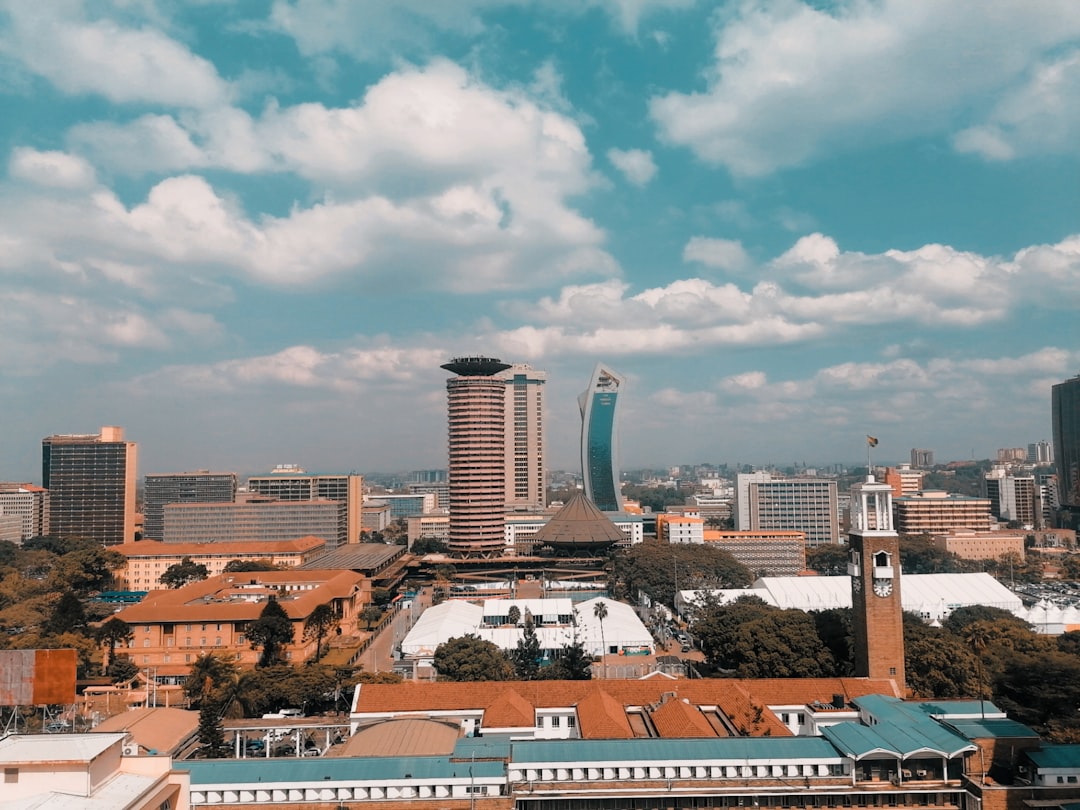
Nairobi’s weekend rhythm: The story behind the scene and the people who created it
As the capital gears up for a busy weekend, the creative force behind our city's cultural surge shifts focus from the main stage to the architects of the experience.
As the capital gears up for a busy weekend, the creative force behind our city's cultural surge shifts focus from the main stage to the architects of the experience.
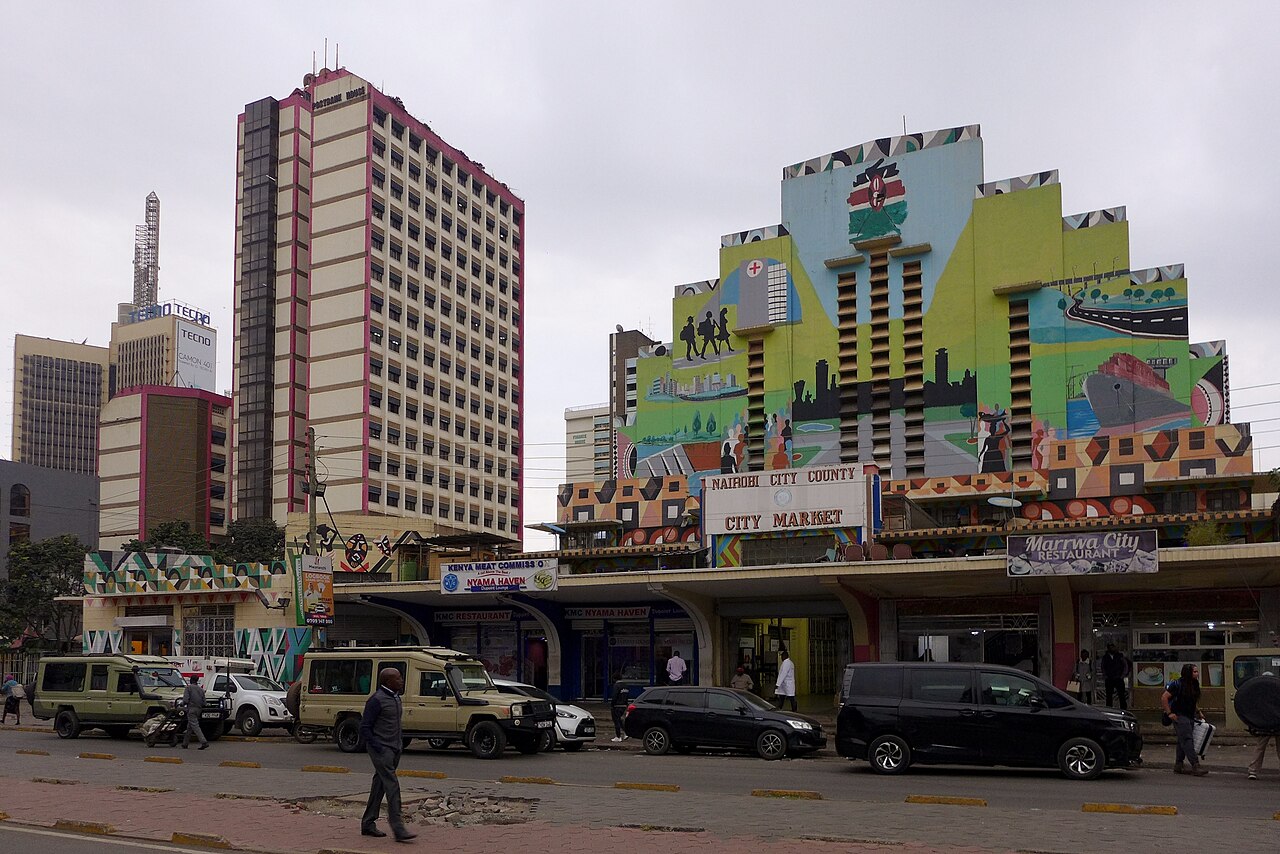
The streets of Nairobi are alive this weekend with a confluence of art, music, and community-driven events that define the city's current cultural trajectory. From the galleries in Lavington to the intimate performance spaces tucked away in the Industrial Area, the pulse of the city is currently being driven by a generation of independent curators and local collectives who are redefining how Nairobi interacts with its own artistic identity.
Behind the visible excitement lies a network of dedicated organizers who have spent months negotiating the logistics of urban space usage and talent coordination. Organizations such as the GoDown Arts Centre have been instrumental in providing the infrastructure required for these events to thrive, ensuring that both established creators and emerging voices have a platform that resonates with the city's diverse demographics. This shift represents a transition toward more localized, community-anchored programming that prioritizes sustainable development over transient, large-scale spectacles.
The importance of this development lies in the city’s ability to foster internal growth. By creating spaces that allow for collaboration between visual artists, musicians, and local vendors, these organizers are insulating the cultural scene from external fluctuations, allowing for a more authentic representation of the Nairobi experience. This weekend, the focus moves to places like the Alchemist Bar in Westlands and the various studio spaces along Ngong Road, where the synthesis of light, sound, and dialogue is curated by teams often working well beyond the standard professional hours.
The logistics of staging these events require a high degree of precision, particularly when coordinating between the regulatory requirements of City Hall and the creative demands of performers. Data provided by local arts associations indicates that weekend foot traffic to cultural venues has seen consistent growth throughout July 2026, marking a positive trend for the creative economy. Entry fees for high-traffic exhibitions and showcases remain accessible, with most weekend event tickets averaging prices that reflect a commitment to inclusivity, ensuring that the vibrancy of the city is shared across different income groups.
For those navigating the city this weekend, the primary advice is to engage directly with the smaller, independent venues that often pilot new concepts before they hit the larger festival circuit. Whether attending an art talk in a quiet corner of Parklands or catching an evening set in a converted warehouse space, attendees are encouraged to seek out the individuals managing these events. They remain the primary contact point for those interested in the future of the city's creative scene and the long-term vision they hold for Nairobi’s artistic growth.
How does this story make you feel?
Spread the word
About this article
Published by The Daily Nairobi
Daily brief
Free, in your inbox before 7am. Weekdays.
More in culture