Nairobi's Creative Scene Transforms Colonial Past Into Modern Cultural Hub
Nairobi’s cultural landscape shifts again this weekend as contemporary venues reinterpret the city's complex urban heritage.
Nairobi’s cultural landscape shifts again this weekend as contemporary venues reinterpret the city's complex urban heritage.
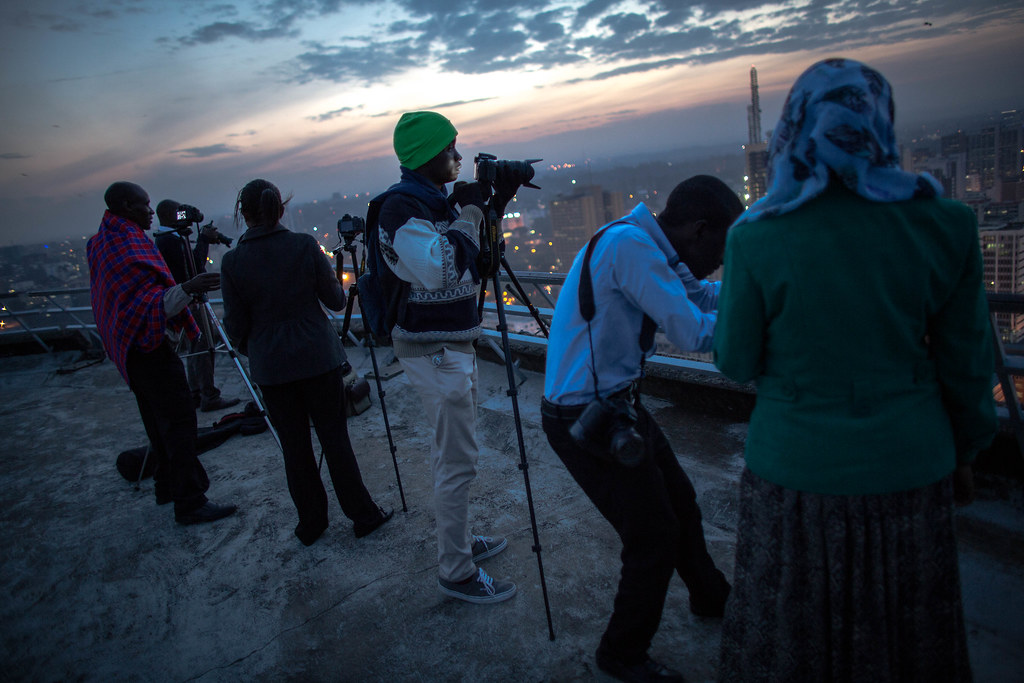
Nairobi residents heading out this Saturday, July 5, 2026, are navigating a cultural landscape that looks vastly different from the railway depot that birthed the city. Today, the arts scene in the Central Business District and the creative pockets of Westlands reflect a deliberate move away from post-colonial preservation toward an aggressive, modern aesthetic.
Understanding this shift requires looking back at the 1990s and early 2000s, when cultural expression in the capital was often confined to state-sanctioned exhibitions. The evolution of our current scene is rooted in the decentralization of the arts, moving from the quiet halls of the Kenya National Museum to the experimental, high-traffic corridors of galleries like the Circle Art Gallery in Lavington and the multi-disciplinary spaces at the GoDown Arts Centre in Industrial Area.
The GoDown Arts Centre, which opened its doors in 2003, serves as a vital marker for this transition. It transformed a former car repair warehouse into a launchpad for local performers, effectively bridging the gap between traditional heritage arts and contemporary urban expression. This shift has redefined how we consume culture; it is no longer just about witnessing history, but about participating in the city’s ongoing, rapid development.
Current data highlights the scale of this creative expansion. According to the 2024 Kenya National Bureau of Statistics (KNBS) Economic Survey, the creative economy now contributes approximately 5.3% to the country’s GDP, a notable increase from the 2.8% recorded in the 2018 fiscal report. This financial growth tracks alongside the proliferation of independent venues, with ticket prices for high-end cultural pop-ups in districts like Gigiri now averaging between 1,500 and 3,000 Kenyan shillings.
For those looking to experience this evolution firsthand, a visit to the McMillan Memorial Library downtown offers a stark contrast to the modern exhibitions found at the Nairobi Contemporary Art Institute on Riverside Drive. While the library stands as a monument to the city’s early 20th-century administration, the nearby galleries are currently prioritizing the works of local digital artists and photographers who utilize the city's concrete sprawl as their primary medium.
The weekend schedule confirms this trajectory, with public-facing art installations and performance poetry nights dominating the local agenda. If you are planning an itinerary, prioritize the morning hours for the historical sites along Moi Avenue to avoid the peak afternoon congestion. By early evening, the focus naturally shifts toward the independent spaces near Waiyaki Way, where the fusion of local history and modern artistic intervention is most visible.
How does this story make you feel?
Spread the word
About this article
Published by The Daily Nairobi
Daily brief
Free, in your inbox before 7am. Weekdays.
More in culture


