Nairobi's Artists Transform City Through Grassroots Creative Movement
From the galleries of Lavington to the workshops of the CBD, the capital is rebranding itself through a surge in grassroots artistic production.
From the galleries of Lavington to the workshops of the CBD, the capital is rebranding itself through a surge in grassroots artistic production.
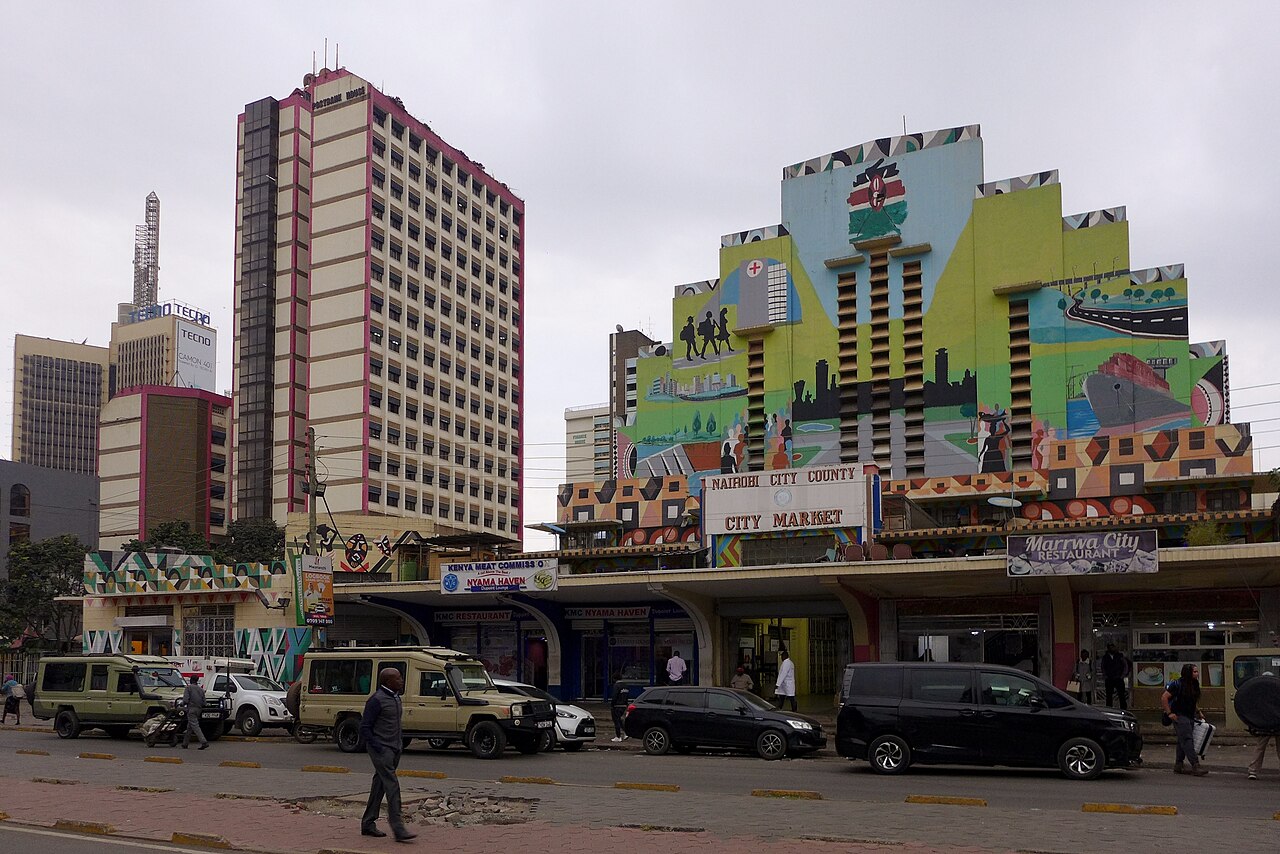
The streets of Nairobi are shifting. Beyond the typical bustle of traffic along Uhuru Highway, a distinct cultural reawakening is taking root, driven by independent galleries, community-led studios, and a new generation of creators determined to move beyond traditional tourism-led art narratives. Today, the city is functioning less as a transit point for regional trade and more as a magnet for East African contemporary expression.
In Lavington, the Ciraca Gallery has become a primary touchstone for this change, hosting exhibitions that emphasize local craftsmanship and conceptual storytelling. This isn't just about display; it’s about establishing an economic ecosystem. Across town, the GoDown Arts Centre in the Industrial Area continues to provide the vital space necessary for performers and visual artists to bridge the gap between amateur practice and professional output. By consolidating these hubs, Nairobi is formalizing a creative sector that was, until recently, largely fragmented.
This transition is critical because it signals a departure from the city’s post-colonial commercial identity. As global interest in African modernism grows, Nairobi is positioning itself to lead the conversation. The integration of creative hubs into neighbourhoods like Lavington and the ongoing redevelopment around the Industrial Area suggests that culture is now a central pillar of urban planning rather than an accidental byproduct of urban density.
Data provided by the Nairobi City County government reflects a sustained uptick in business permits issued for creative enterprises since the start of 2026. The city’s latest quarterly economic report highlights that the professional, scientific, and technical services sector-which includes design and media houses-has seen increased activity as firms relocate their operations closer to these cultural epicentres. For the casual observer, this manifests in a higher density of pop-up galleries and weekend markets, particularly in districts that have historically been defined by heavy industry or high-end residential real estate.
For those looking to engage with this movement today, the path is clear: start with the independent spaces in Lavington. Visitors will find that many of these galleries now offer late-evening viewing hours to accommodate the city’s working population. Whether attending an opening or simply browsing the ongoing installations, the common theme remains the same: Nairobi is no longer waiting for external validation to define its cultural worth. The city is currently betting on its own artists to provide the blueprint for its next decade of growth.
How does this story make you feel?
Spread the word
About this article
Published by The Daily Nairobi
Daily brief
Free, in your inbox before 7am. Weekdays.
More in culture
