Why Nairobi's Weekend Escapes Beat the World's Great City Getaways
From Nairobi's doorstep, you can spot wild elephants by noon—something no other major global metropolis can claim.
From Nairobi's doorstep, you can spot wild elephants by noon—something no other major global metropolis can claim.
Paris has the Louvre. New York has Central Park. Tokyo has Shibuya. But Nairobi has something those cities simply cannot replicate: a direct line to Africa's greatest wildlife spectacle, all within a two-hour drive.
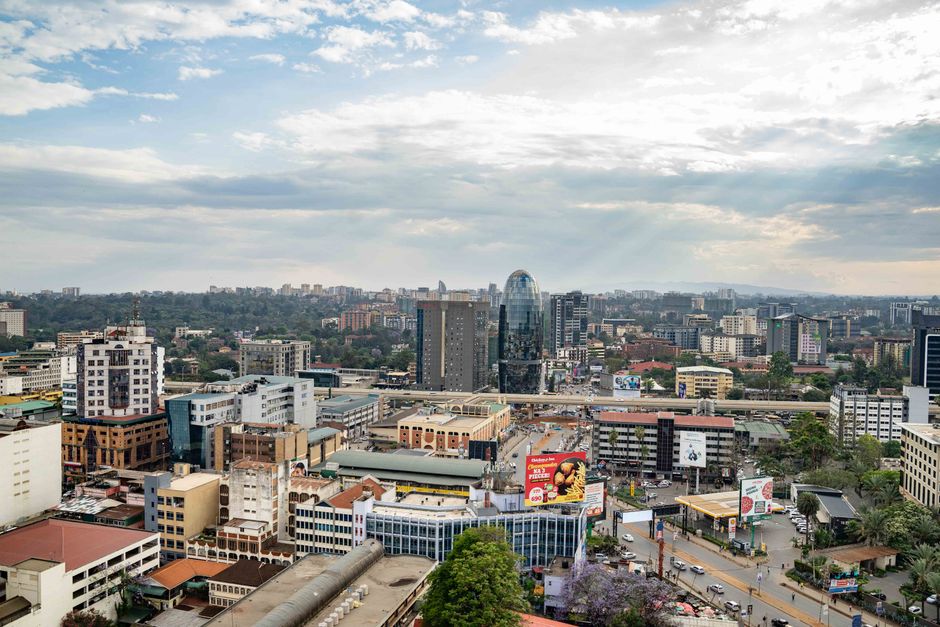
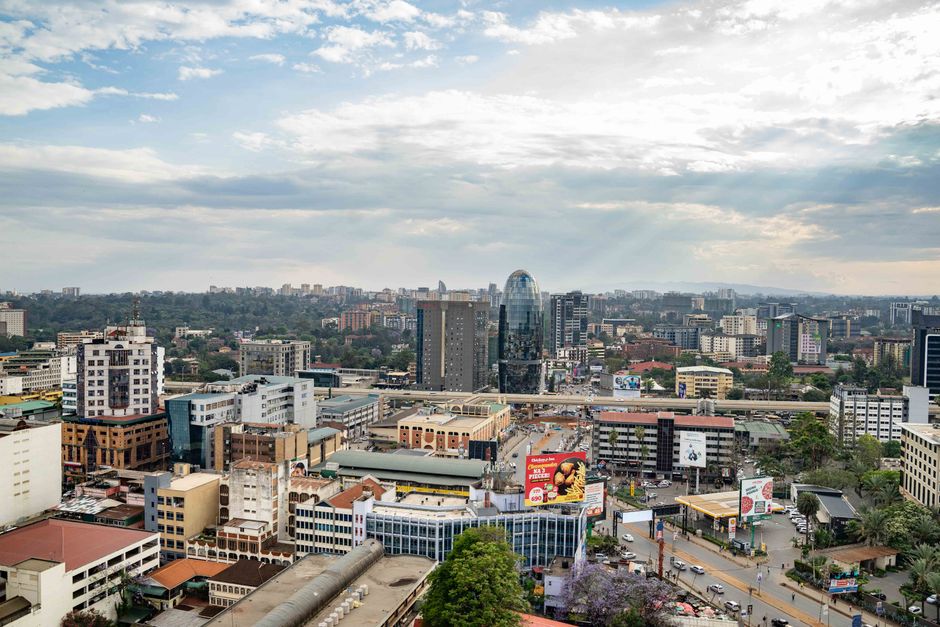
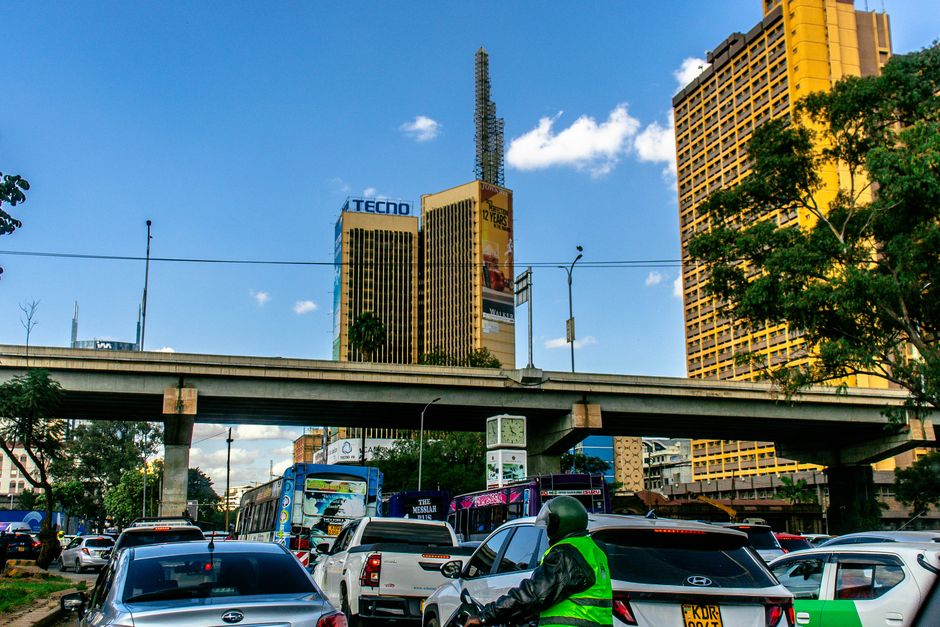
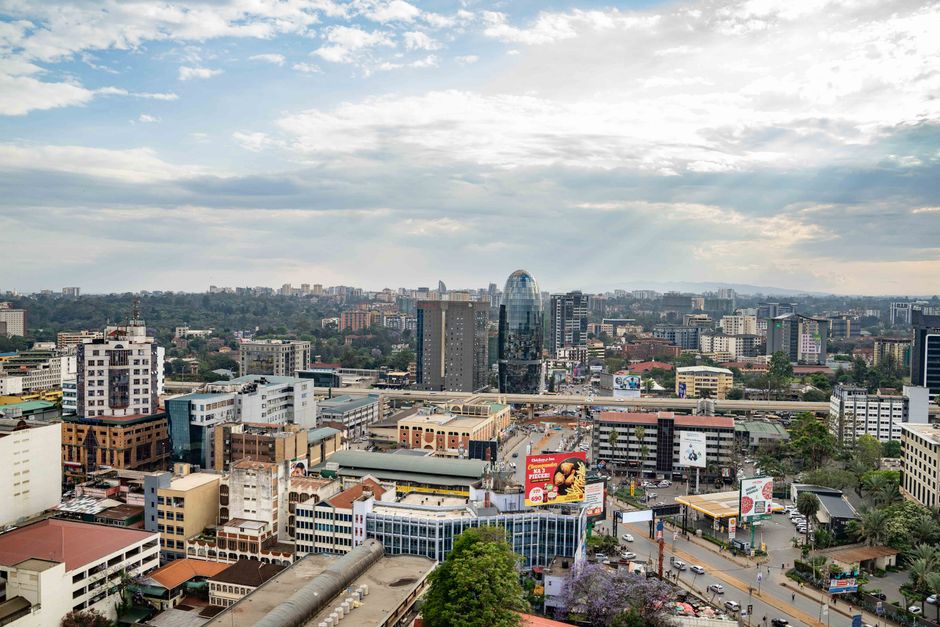
What makes weekend leisure in Nairobi fundamentally different from comparable cosmopolitan cities is the seamless blend of urban sophistication and untamed wilderness. On Saturday morning, you can browse artisanal coffee at Java House in Westlands, then by afternoon, be tracking giraffes at the Nairobi National Park—a 7,400-hectare reserve where lions roam against a backdrop of the city's skyscrapers. Try finding that anywhere else.
"We have something unique," says conservation data, with the park hosting over 100 mammal species and attracting roughly 400,000 visitors annually. Entry costs just 1,200 Kenyan shillings (approximately $9 USD) for residents, making it one of the world's most affordable premium wildlife experiences.
But Nairobi's weekend culture extends far beyond safari. The Karen Blixen Museum in the leafy Karen neighbourhood offers literary-historical immersion in a way that mirrors European estates, yet with distinctly Kenyan storytelling. Meanwhile, the vibrant arts scene—galleries clustered around Westlands and the emerging creative hubs in Industrial Area—rivals Berlin's contemporary scene without the pretension.
For those seeking altitude escape, the Ngong Hills, just 20 kilometres south, provide hiking that feels worlds away yet requires only 45 minutes from downtown. The panoramic views rival anything near Los Angeles or Cape Town, and weekend trekkers regularly encounter Maasai herders, adding a cultural dimension most global city hikes cannot match.
Food tourism here transcends the predictable. While London and Singapore dominate global culinary rankings, Nairobi's neighbourhood dining—from nyama choma gardens in Westlands to Ethiopian restaurants clustering around Paniyaza—offers authentic, affordable, and continually evolving cuisine. A three-course meal rarely exceeds 2,500 shillings ($19 USD).
The David Sheldrick Wildlife Trust, accessible via a 30-minute drive from the CBD, offers intimate encounters with orphaned elephants—an emotional experience that no urban zoo elsewhere can replicate with such authenticity and conservation purpose.
What distinguishes Nairobi fundamentally is velocity of contrast. Within a single weekend, you pivot from cosmopolitan dining in Kilimani to sunrise game drives, from contemporary art galleries to centuries-old cultural traditions. That compressed, multidimensional experience—genuine safari-to-city seamlessness—remains Nairobi's irreplaceable signature among the world's great leisure cities.
This article was compiled by AI and screened before publishing. See our editorial standards.
How does this story make you feel?
Spread the word
About this article
Published by The Daily Nairobi
Daily brief
Free, in your inbox before 7am. Weekdays.
More in lifestyle