Why Nairobi's Commute Defies Every Global Playbook: A City That Moves Its Own Way
From matatus threading impossible traffic to the emerging metro network reshaping mobility, Nairobi's transport ecosystem is unlike anywhere else on earth.
From matatus threading impossible traffic to the emerging metro network reshaping mobility, Nairobi's transport ecosystem is unlike anywhere else on earth.

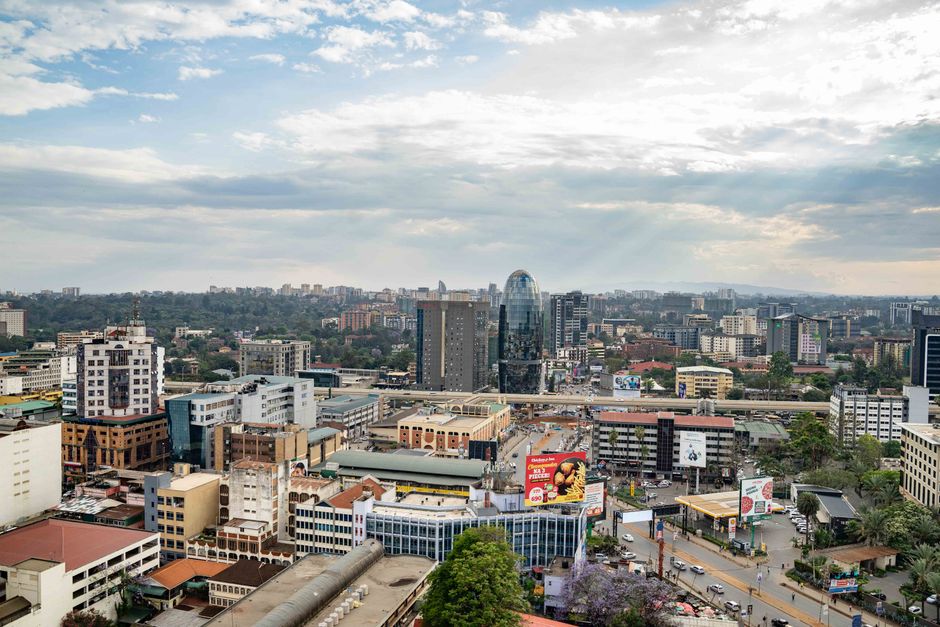
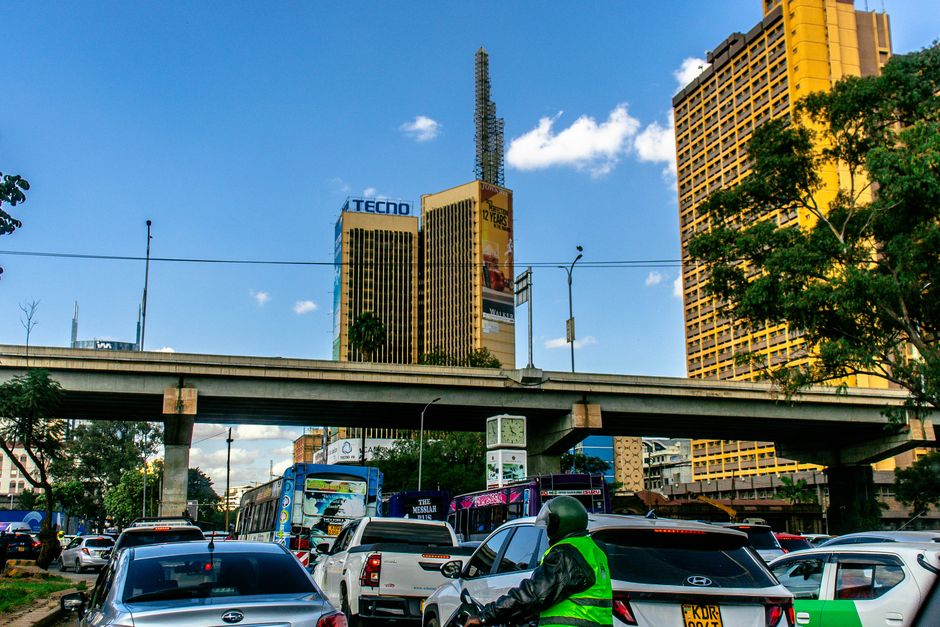
Getting across Nairobi is an exercise in controlled chaos that would perplex transport planners from Tokyo to Toronto. Yet this apparent disorder masks something peculiar to Kenya's capital: a commuting culture so deeply embedded in the city's social fabric that it functions almost organically, defying the rigid systems that govern movement in cities worldwide.
The matatu—that ubiquitous minibus painted in kaleidoscopic colours—remains the circulatory system of Nairobi's streets. Unlike the regulated public transport hierarchies of London or Singapore, matatus operate in a grey zone between formal and informal, their routes determined less by municipal planning than by passenger demand and driver intuition. A journey from Eastleigh to the Central Business District costs around 100 shillings, a fraction of comparable transit fares in comparable global cities, yet moves roughly 5 million Nairobians daily. No algorithm designed this; it simply evolved.
But Nairobi is transforming. The Standard Gauge Railway, completed in 2017, introduced something the city had never experienced: mass rapid transit infrastructure modelled on international specifications. Monthly commuter passes cost 3,200 shillings—affordable, systematic, and strikingly different from the pay-as-you-go mentality embedded in Nairobi's transport culture. The railway links Nairobi's peripheries to the centre in 30 minutes, yet passengers still queue for matatus, suggesting that infrastructure alone cannot override deeply rooted commuting behaviours.
The Nairobi Metro project, under development, promises further disruption. When operational, it will introduce underground transit to a city that has never had it, challenging the street-level democracy that currently defines how Nairobians navigate their city. Compare this to established metro systems in Paris or Cairo: they emerged from cities already structured around transit hubs. Nairobi is retrofitting modernity onto an entirely informal foundation.
What makes Nairobi genuinely unique is this collision between old and new. A commuter might start their morning in a matatu from South B, transfer to the SGR at Nairobi Station, then walk through the CBD navigating congestion that would paralyze most cities but merely slows Nairobi's pulse. Boda-bodas—motorcycle taxis—weave through gridlock on Moi Avenue and Kenyatta Avenue with an entrepreneurial nimbleness no city council could regulate.
Other cities have transport systems; Nairobi has a transport culture that absorbs innovation without abandoning its essential character. That's the difference. As the metro arrives and ride-hailing apps reshape expectations, Nairobi won't become like everywhere else. It will absorb these tools into something altogether more unpredictable and distinctly its own.
This article was compiled by AI and screened before publishing. See our editorial standards.
How does this story make you feel?
Spread the word
About this article
Published by The Daily Nairobi
Daily brief
Free, in your inbox before 7am. Weekdays.
More in lifestyle