The Morning Rush: Meet the Faces Keeping Nairobi Moving
From matatu crews to cycling couriers, the people navigating our city's transit maze are the real story of getting around.
From matatu crews to cycling couriers, the people navigating our city's transit maze are the real story of getting around.
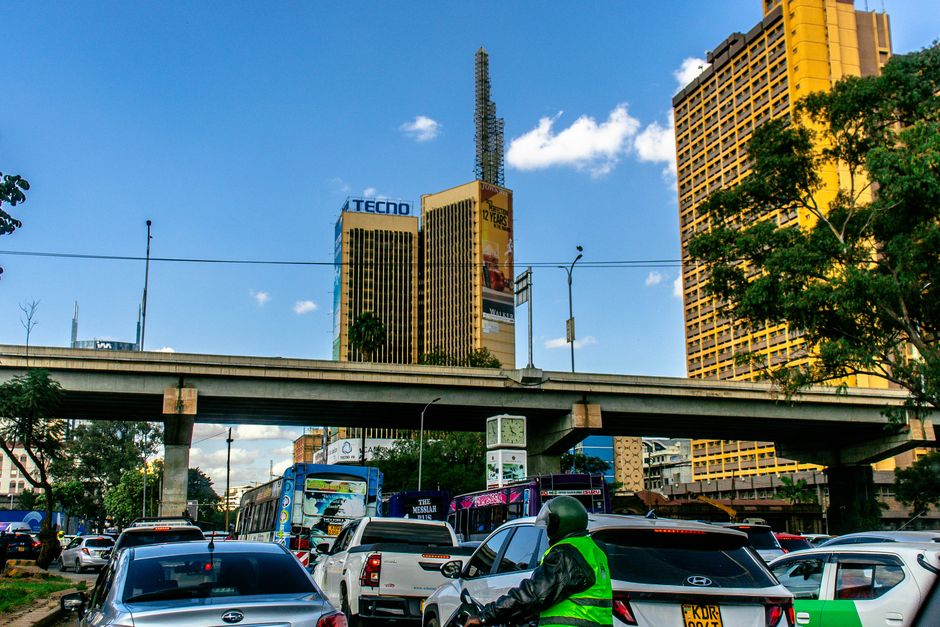
At 5:47 a.m., before the sun breaks over the Nairobi skyline, the first matatu pulls up to the Nairobi Bus Station on Accra Road. Its conductor—clipboard in hand, voice already hoarse from the pre-dawn calls—begins the ritual that will repeat thousands of times across the city today: filling seats, collecting fares, weaving through traffic that will only worsen with each passing hour.
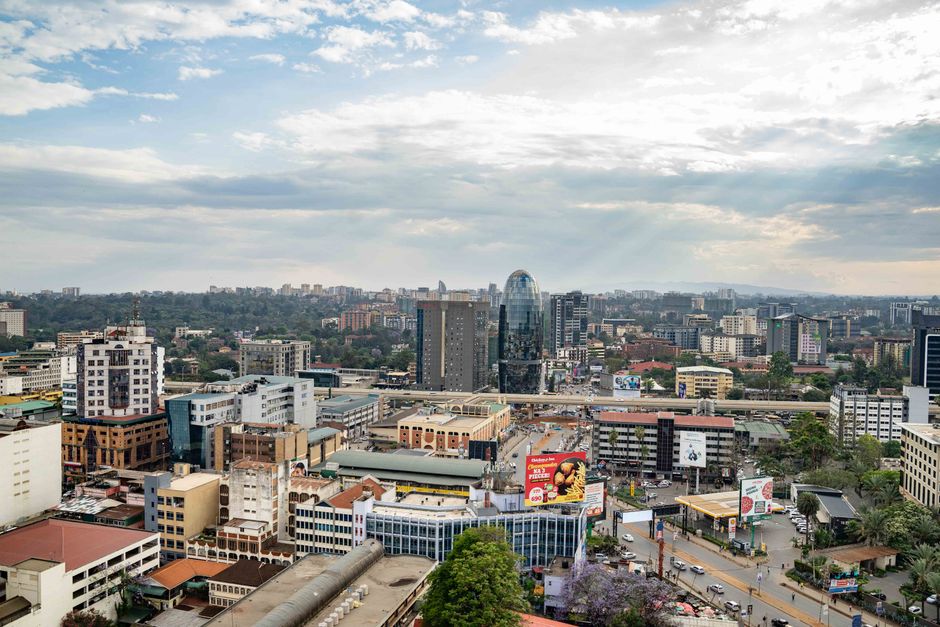
This is the choreography of Nairobi's commute, a dance performed by nearly two million people daily who move through our city's arterial streets like blood cells through veins. It's a story rarely told in statistics alone. The real narrative belongs to the people who make it work.
Consider the matatu industry itself: roughly 8,000 vehicles move an estimated 60 percent of Nairobi's commuters. But behind those numbers are families. The crews operating on the Nairobi-Thika highway routes often work twelve-hour shifts, their income directly tied to passenger volumes and fuel costs that fluctuate weekly. A conductor's monthly earnings hover around 15,000 shillings—livable, precarious, essential.
Then there's the emerging economy of last-mile solutions. Across Westlands, CBD, and Karen, bicycle couriers have become indispensable to how the city functions. They navigate congestion that paralyses cars, dodging potholes on Koinange Street and racing down Service Lane with a certainty born from repetition. For many, it's gig work without the app—pure hustle in a city that rewards speed and navigation instinct.
The taxi drivers stationed outside Nairobi Hospital and along Hurlingham Road represent another demographic: often older, semi-retired from other careers, supplementing pensions through shift work. They know every shortcut between Lavington and Industrial Area, every restaurant that's opened and closed on Ngong Road.
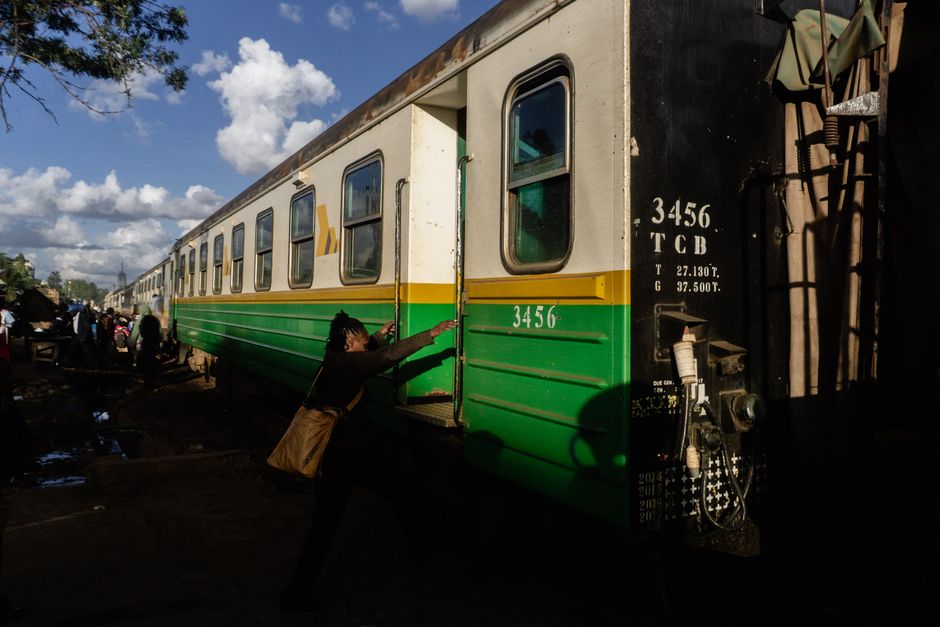
What unites these commuters and service providers is adaptation. The recent investment in Nairobi's bus rapid transit infrastructure has shifted patterns, created winners and losers, forced reinvention. Yet the city's transport ecosystem absorbs these changes through the ingenuity of individuals—drivers who've mastered fuel efficiency, conductors who've built loyal customer bases, cyclists who've mapped invisible routes.
Walking through Nairobi's neighbourhoods at rush hour, you witness not a problem to be solved but a city actively solving itself. The commute isn't something happening to Nairobi's people; it's something they're doing, day after day, making this sprawling capital functional through sheer determined presence.
This article was compiled by AI and screened before publishing. See our editorial standards.
How does this story make you feel?
Spread the word
About this article
Published by The Daily Nairobi
Daily brief
Free, in your inbox before 7am. Weekdays.
More in lifestyle