Nairobi Commuters Master These Routes to Beat Traffic and Save Money
From the Matatu routes of Eastleigh to the Uber surge zones of Westlands, here's how savvy residents navigate the city without losing their minds—or their money.
From the Matatu routes of Eastleigh to the Uber surge zones of Westlands, here's how savvy residents navigate the city without losing their minds—or their money.
Listen to this article · 3:32
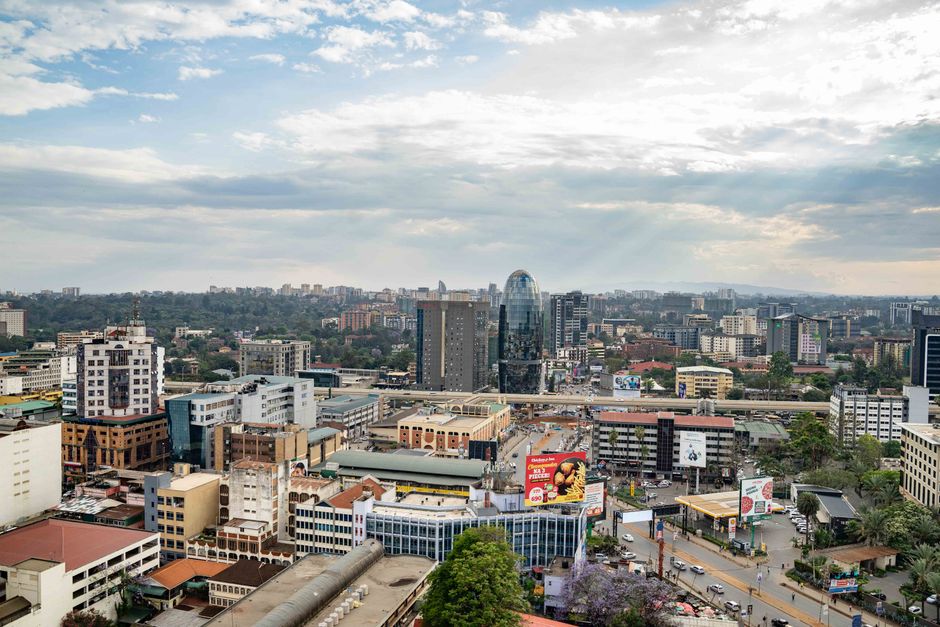
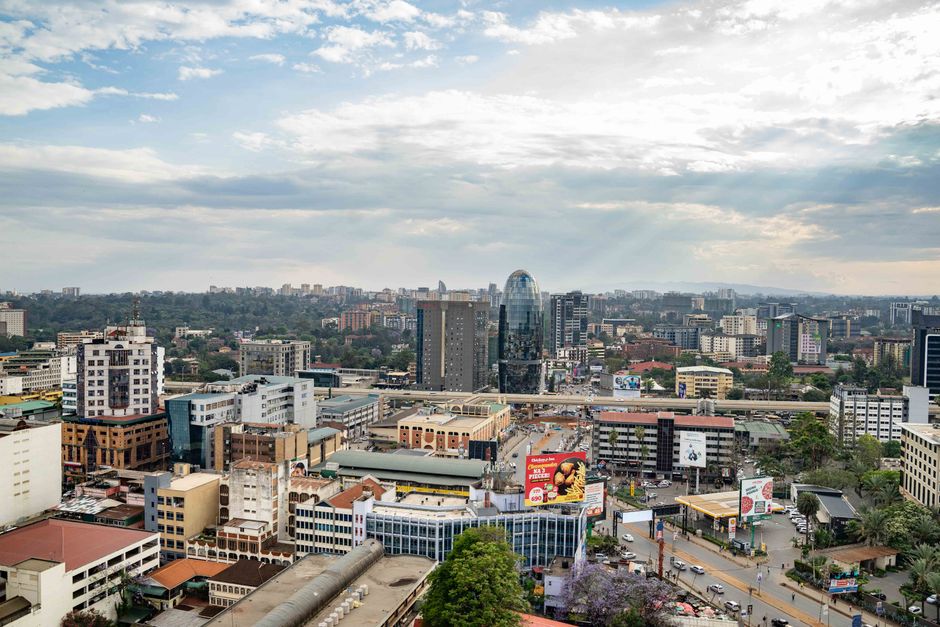
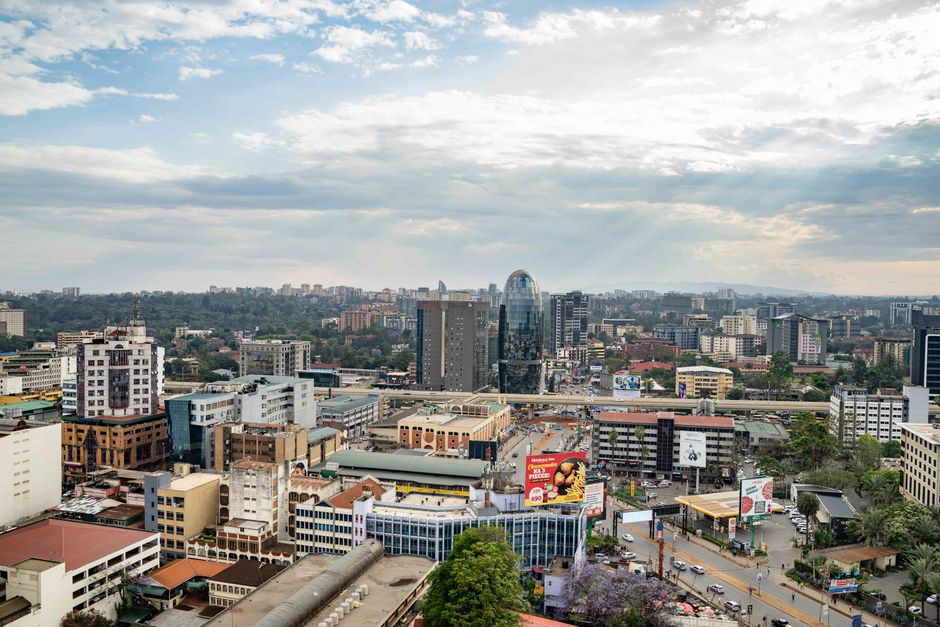
Getting around Nairobi requires strategy, patience, and a working knowledge of the city's chaotic arteries. Whether you're racing from a morning meeting in the CBD to a weekend brunch in Karen, your commute shapes your entire relationship with this sprawling metropolis. The good news: you don't have to wing it.
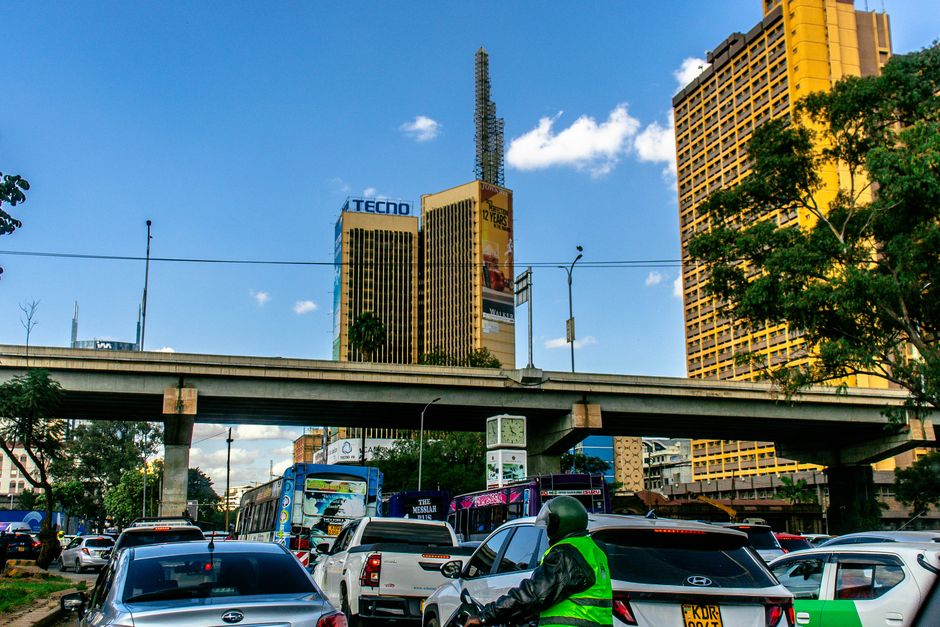
Start with matatus—the backbone of Nairobi's transport ecosystem. Routes from the Nairobi River Stage to Embakasi, Rongai, and Thika are reliable, cheap (typically Ksh100-200 depending on distance), and packed with local character. Download the Matatu Crew app to track real-time locations and avoid the guessing game at bus stages. Peak hours (7-9am, 4-6pm) mean choking traffic on Uhuru Highway and Mombasa Road, so if you can shift your departure time by 30 minutes, you'll notice the difference immediately.
For those with deeper pockets, ride-hailing apps dominate the landscape. Uber and Bolt operate across Nairobi, though surge pricing can triple costs during rush hours. A typical journey from the Hilton to Nairobi West costs Ksh800-1,200 off-peak; expect double that at 6pm. Consider hybrid strategies: take a matatu to a central hub like Ambassadeur roundabout or Nairobi Station, then app-share the final leg. It saves money and time.
Cycling is gaining momentum, especially within neighbourhoods like Kilimani, Parklands, and around the Nairobi River paths. The city's terrain is hilly but manageable, and bike lanes are slowly appearing along major corridors. Apps like SafeBoda connect you with motorcycle couriers—fast for short distances (Ksh300-500), though decidedly not for the faint-hearted.
Walking remains underrated. Nairobi's neighbourhoods reveal themselves best on foot: the craft markets of Kibera, the cafe culture of Westlands along Tree Avenue, the colonial architecture of Government Road. Stick to busy, well-lit streets during daylight hours, and use pedestrian bridges at major intersections rather than darting across traffic.
For serious planners, the Standard Gauge Railway connects Nairobi Central to Mombasa and the airport (Ksh900-5,000 depending on class), offering a scenic alternative to congested roads. It's slower than driving but far less stressful.
The real secret? Build flexibility into your schedule. Nairobi's transport isn't predictable, but it's navigable once you accept its rhythms. Use your commute time to read, work, or simply observe the city's perpetual motion. That's when you'll truly begin to understand how this city actually moves.
This article was compiled by AI and screened before publishing. See our editorial standards.
How does this story make you feel?
Spread the word
About this article
Published by The Daily Nairobi
Daily brief
Free, in your inbox before 7am. Weekdays.
More in lifestyle