Your Complete Guide to Nairobi's Best Parks and Green Spaces: Where to Go and What to Expect
From early morning walks in Uhuru Park to weekend picnics in Karura Forest, here's how Nairobi residents can make the most of the city's outdoor havens.
From early morning walks in Uhuru Park to weekend picnics in Karura Forest, here's how Nairobi residents can make the most of the city's outdoor havens.
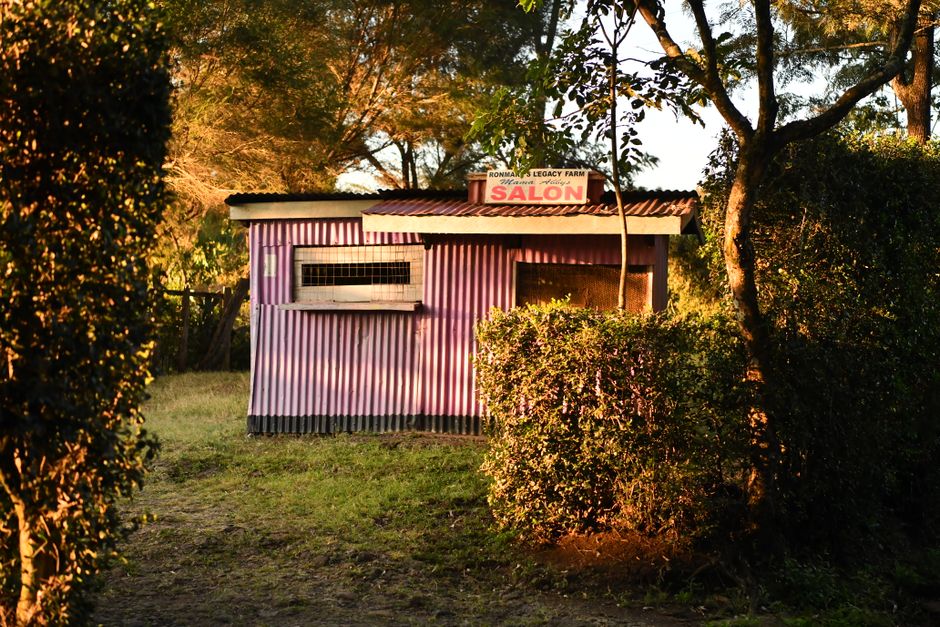
Nairobi's green spaces have undergone quiet transformation over the past five years, with renewed focus on accessibility and maintenance making outdoor living increasingly practical for busy city dwellers. Whether you're seeking respite from traffic congestion on Thika Road or a weekend escape with family, knowing where to go and what to expect can transform your relationship with the city.
Central Options for Convenience
Uhuru Park remains Nairobi's most accessible green space, spanning 32 acres in the heart of the city centre near Parliament Road. Entry costs Sh200 for residents, with improved pathways and seating areas making morning jogs and lunch-hour walks feasible even during busy weekdays. The park opens at 6am, ideal for beat-the-rush exercisers. Similarly, Jeevanjee Gardens—tucked behind the National Museum on Museum Hill—offers a quieter alternative with heritage trees and less foot traffic, though maintenance varies seasonally.
Weekend Escape Destinations
Karura Forest, accessible via Limuru Road or Forest Road from Westlands, has become increasingly popular with families and fitness enthusiasts. The entrance fee is Sh300 for non-residents, Sh50 for Nairobi residents. The forest offers diverse trails ranging from easy 2km walks to challenging 8km routes. Bring water and start early; crowds build by 10am on weekends. Staff presence has improved, though solo evening visits remain inadvisable.
Ngong Hills, a 30-minute drive south from the CBD, attracts hikers with panoramic views over the city and Rift Valley. The walk takes 45 minutes to the summit; carry adequate water and wear proper footwear on the sometimes-slippery volcanic rock. Expect minimal facilities but excellent air quality and genuine solitude.
Practical Considerations
Most parks close between 6-7pm depending on season, so plan accordingly. Parking availability varies: Uhuru Park has limited spaces (arrive before 8am), while Karura's designated parking is usually adequate. Security has improved notably, yet remain aware of surroundings, especially in less-populated areas.
Investment in green space infrastructure reflects broader city planning priorities. The Nairobi City County has upgraded walking trails and installed basic facilities in major parks over the past two years, though maintenance funding remains inconsistent.
Making It Routine
The most successful park-goers treat outdoor time as non-negotiable appointment, not optional activity. Early morning visits offer the quietest experience—most parks between 6-8am feel genuinely peaceful. Pack light snacks, adequate water, and sun protection regardless of destination.
Nairobi's green spaces work best when integrated into regular rhythm, not saved for occasional outings. Start with whichever park is closest to your neighbourhood or workplace, then expand from there.
This article was compiled by AI and screened before publishing. See our editorial standards.
How does this story make you feel?
Spread the word
About this article
Published by The Daily Nairobi
Daily brief
Free, in your inbox before 7am. Weekdays.
More in lifestyle