Nairobi redirects millions from middle-class estates to informal settlements
Kilimani, Westlands and Karen residents protest as City Hall prioritizes slum upgrades over established neighborhoods.
Kilimani, Westlands and Karen residents protest as City Hall prioritizes slum upgrades over established neighborhoods.
Listen to this article · 3:35
The Nairobi County Assembly's approval of the 2026/27 budget this week has ignited fresh tensions between the metropolitan authority and affluent residential zones, with allocations suggesting a dramatic shift in spending priorities that will directly reshape daily life for hundreds of thousands of residents.
Under the revised budget framework, the county has slashed road maintenance funding for established middle-class areas by 23 percent while increasing informal settlement infrastructure investments by 41 percent. For residents of Kilimani, Westlands, Karen, and Lavington—where property tax compliance rates exceed 78 percent—the implications are stark: expect longer pothole-plagued commutes and delayed drainage repairs as council resources concentrate elsewhere.
The decision reflects broader tensions about equity in Nairobi's development. Officials argue that informal settlements housing over 2 million residents have been systematically neglected, with some zones like Mathare and Kibera lacking basic sanitation infrastructure. Yet in Westlands, where commercial and residential property taxes generate approximately KES 2.8 billion annually, business owners express frustration at what they perceive as a betrayal of municipal responsibility.
"We're funding the city's economy, yet our roads are deteriorating faster than they can be fixed," said one Nairobi-based entrepreneur requesting anonymity. The tension points to a genuine governance challenge: how does a sprawling metropolitan authority of 5.2 million people balance historical underinvestment in poorer areas against the infrastructure maintenance expectations of higher-income zones that subsidize the broader system?
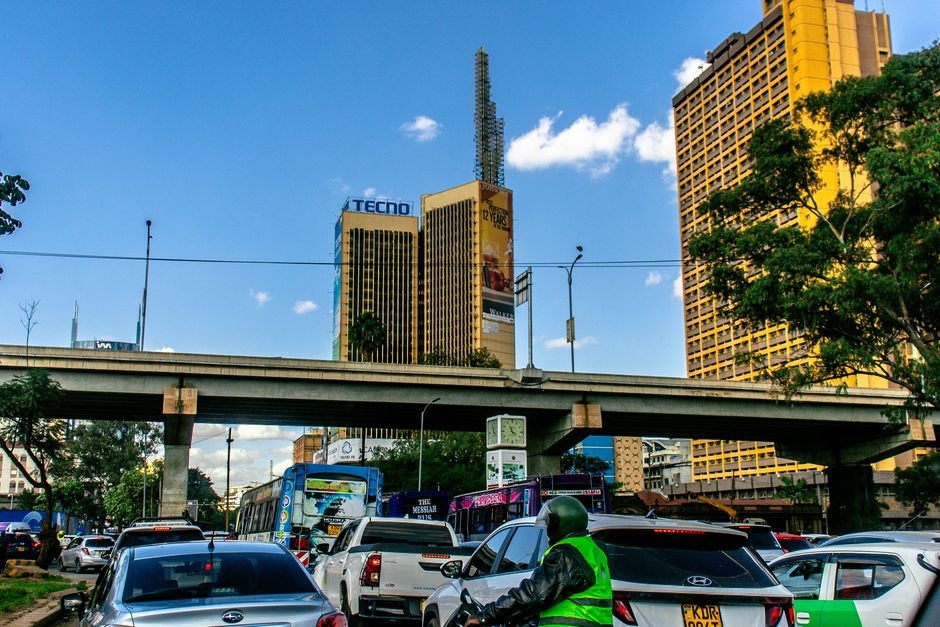
The practical consequences ripple immediately. Commuters on Ngong Road, already notorious for congestion, face further delays as planned resurfacing has been deferred to 2027. Businesses along Mombasa Road worry about parking and accessibility issues. Meanwhile, water supply improvements scheduled for Korogocho and Kawangware signal genuine progress for residents who currently endure sporadic access.
County officials defend the rebalancing as necessary corrective action. Data shows that informal settlements contribute only 6 percent of property tax revenue despite housing 40 percent of the population—an unsustainable disparity that breeds service gaps and frustration.
For ordinary Nairobians, the budget signals a recalibration of municipal priorities that will affect everything from commute times to water availability depending on where they live. Whether this represents enlightened redistribution or misguided neglect of the taxpayers who fund city operations remains the defining question of local governance heading into the second half of 2026.
This article was compiled by AI and screened before publishing. See our editorial standards.
How does this story make you feel?
Spread the word
About this article
Published by The Daily Nairobi
Daily brief
Free, in your inbox before 7am. Weekdays.
More in News