Nairobi Land Prices Hit 2M Shillings Per Meter, Officials Debate Solutions
Officials clash over zoning reforms versus accelerated development as affordable housing shortage reaches critical levels in Kenya's capital.
Officials clash over zoning reforms versus accelerated development as affordable housing shortage reaches critical levels in Kenya's capital.
Listen to this article · 3:23
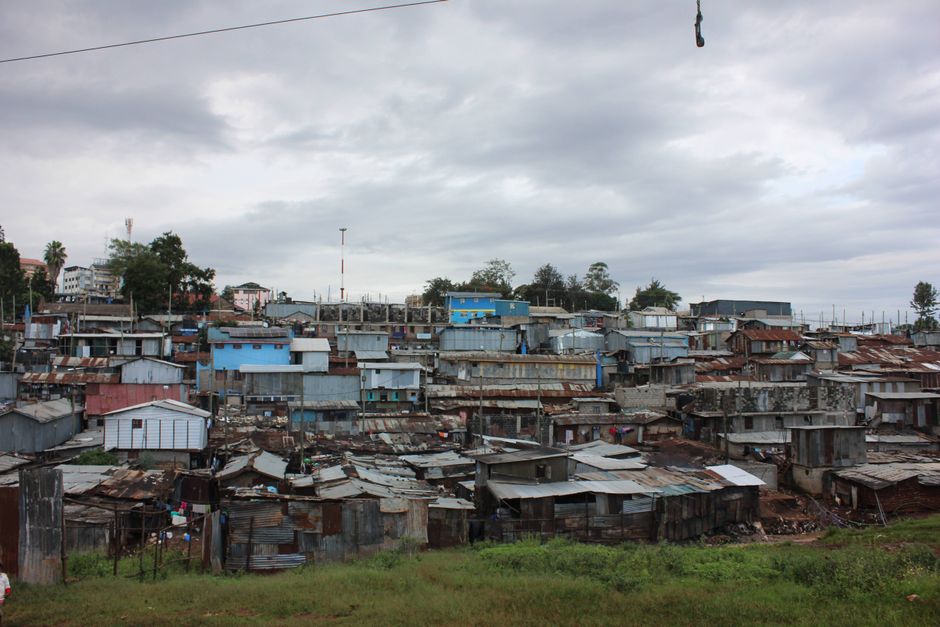
The conversation around Nairobi's housing crisis has intensified in recent weeks, with city officials, urban planners, and property sector leaders offering starkly different diagnoses of the problem and competing visions for solutions.
At a stakeholder forum held at the Safari Park Hotel in mid-June, Nairobi City County officials presented preliminary findings from their revised Urban Development Master Plan, which aims to unlock housing in underutilised zones across Westlands, Industrial Area, and parts of Kasarani. According to presentations reviewed by The Daily Nairobi, the county is exploring mixed-use developments and relaxed height restrictions in specific corridors—a shift from past rigid zoning that kept residential and commercial uses strictly separated.
However, urban planning academics and civil society organisations have raised concerns about the pace and equity of these proposals. Dr. Jane Mwangi, chair of the Urban Studies Department at the University of Nairobi, has publicly cautioned that rezoning without robust tenant protection frameworks risks accelerating gentrification in neighbourhoods like Kilimani and Upper Hill, where demolitions are already displacing long-term residents. "We must not simply chase density," she told colleagues at a recent seminar. "The question is: density for whom?"
The Real Estate Institute of Kenya has taken a different stance, urging faster approval timelines for developers and reduced compliance costs, which they argue inflate construction expenses and ultimately drive up purchase prices. Current medium-rise apartments in South B and South C average 12 to 18 million shillings—far beyond the reach of the estimated 60 per cent of Nairobi's workforce earning under 50,000 shillings monthly.
One area of surprising consensus has emerged around public land. County officials and housing advocates alike have begun discussing the potential for social housing projects on underutilised parcels owned by the national government, particularly in areas like Dandora and Kahawa West. Yet questions remain about funding mechanisms and long-term management.
As the city grapples with an estimated shortage of 200,000 units, the coming months will be critical. The county is expected to table revised zoning bylaws by September, and their content may determine whether Nairobi's poorest residents gain genuine access to formal housing—or simply watch from the margins as the city transforms around them.
This article was compiled by AI and screened before publishing. See our editorial standards.
How does this story make you feel?
Spread the word
About this article
Published by The Daily Nairobi
Daily brief
Free, in your inbox before 7am. Weekdays.
More in News