Nairobi's Neighborhoods Bridge Wealth Divides
From Westlands towers to Kibera communities, Nairobi's diverse districts create unexpected human connections across economic lines.
From Westlands towers to Kibera communities, Nairobi's diverse districts create unexpected human connections across economic lines.
Listen to this article · 3:48
Walk through Nairobi's neighbourhoods and you'll encounter something increasingly rare in world capitals: genuine human-scale community embedded within a sprawling metropolitan landscape. With a population exceeding 5 million and an economy generating over $100 billion annually, Nairobi operates at the scale of London or São Paulo, yet maintains pockets of intimacy that these global giants have lost.
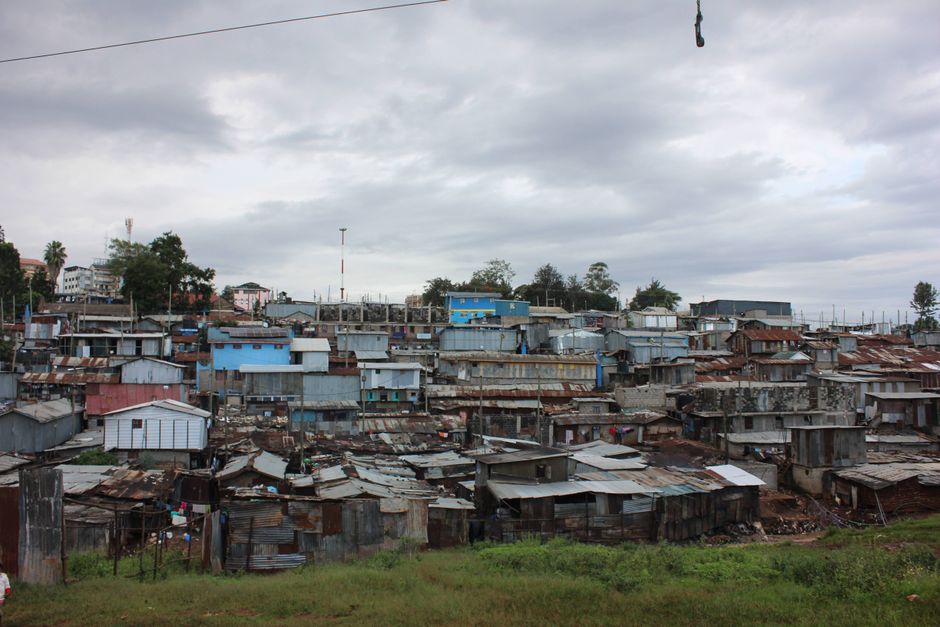
Take the village-within-the-city phenomenon. In Kibera, Mathare, and Kawangware—home to roughly 60% of Nairobi's population—social bonds remain extraordinarily tight. Residents know their neighbours across multiple generations, share resources through informal savings groups, and maintain cultural practices that cement community identity. This stands in stark contrast to mega-cities like New York or Dubai, where anonymity often trumps connection, or even smaller African capitals like Addis Ababa, which lack Nairobi's economic complexity.
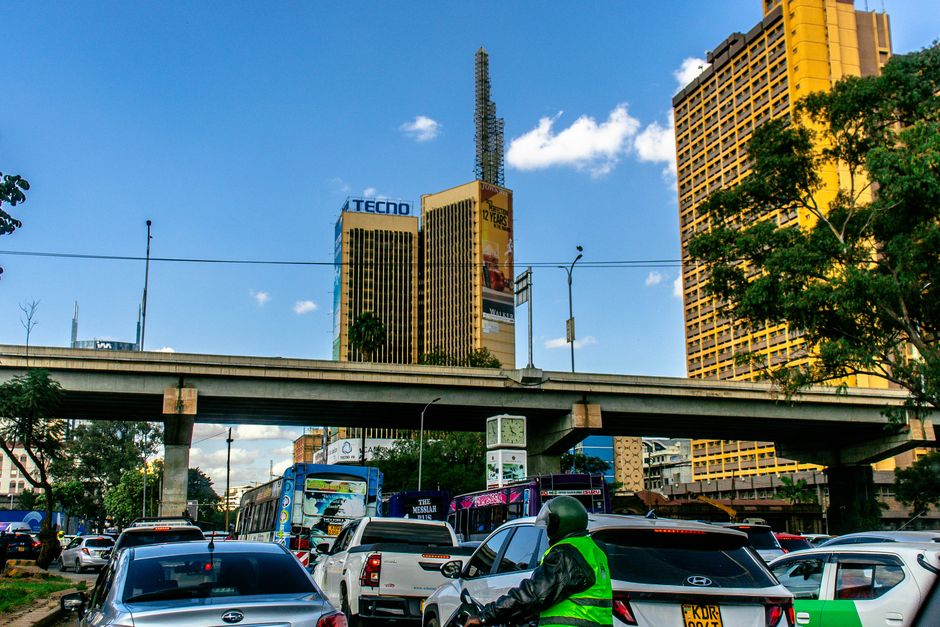
Simultaneously, neighbourhoods like Westlands, Karen, and the emerging tech hub around the Nairobi Securities Exchange operate with cosmopolitan efficiency. Here, you'll find world-class restaurants, co-working spaces, and the kind of professional infrastructure found in any tier-one global city. Yet even here, the Kenyan entrepreneurial spirit—what locals call the 'Silicon Savanna' mentality—creates a distinctly collaborative rather than cutthroat atmosphere. The creative scene clustered around Kazuri Lane and establishments like the Hub attracts talent from across East Africa precisely because the networking culture feels organic rather than transactional.
What truly sets Nairobi apart is how these worlds coexist without entirely separating. Unlike cities that have become geographically or economically bifurcated—think Bangkok or Jakarta—Nairobi's neighbourhoods remain porous. A young professional in Upper Hill might attend university in Kasarani, weekend in Ngong Hills, and work with suppliers in Nairobi's Industrial Area. Public matatu networks, despite their chaos, function as mobile community spaces where conversations span class boundaries.
The city's trajectory also differs markedly from comparable emerging markets. While cities like Istanbul or Mexico City have experienced gentrification that erased working-class character, Nairobi's rapid growth has largely maintained neighbourhood identity even as real estate values climb. A plot in Dagoretti that cost 800,000 shillings five years ago might fetch 2.5 million today, yet the community fabric—the jua kali workshops, the corner shops, the networks—largely persists.
For those seeking to understand what genuine urban community looks like in the 21st century—where modernity doesn't automatically mean isolation—Nairobi offers an unmissable case study. It's a city still figuring out how to be global without becoming generic.
This article was compiled by AI and screened before publishing. See our editorial standards.
How does this story make you feel?
Spread the word
About this article
Published by The Daily Nairobi
Daily brief
Free, in your inbox before 7am. Weekdays.
More in lifestyle