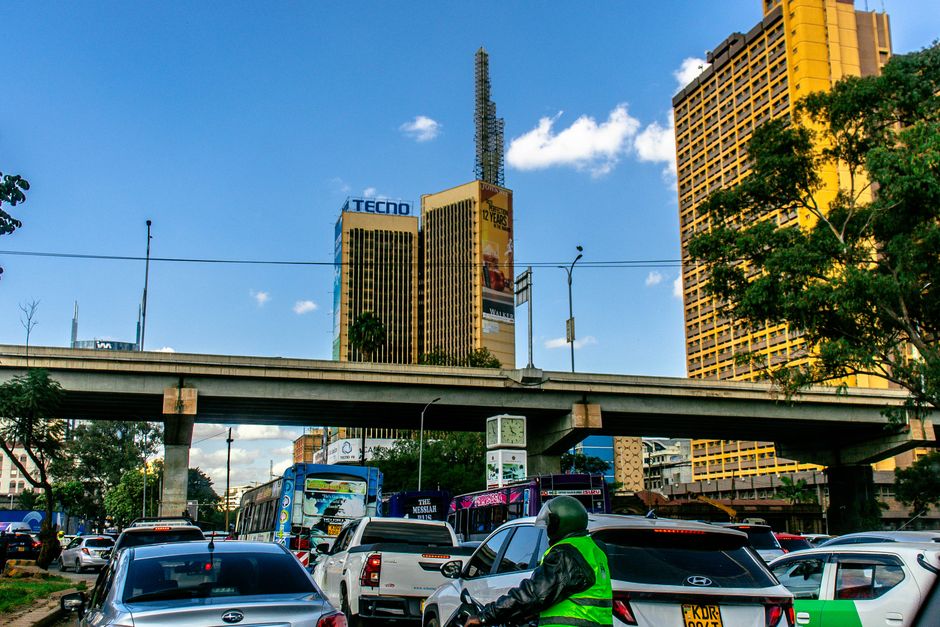
Nairobi's Green Future Hinges on Critical Decisions in Second Half of 2026
As the city grapples with plastic waste and air quality crises, stakeholders must decide whether ambitious sustainability targets will translate into concrete action.
As the city grapples with plastic waste and air quality crises, stakeholders must decide whether ambitious sustainability targets will translate into concrete action.
Nairobi stands at a crossroads. With air quality indices regularly exceeding hazardous levels along the Nairobi-Mombasa highway corridor and plastic waste clogging the Nairobi River through Eastleigh and Parklands, the city's environmental crisis demands immediate, decisive action in the coming months.
The City County of Nairobi's commitment to eliminate single-use plastics by end-2026 now faces its defining moment. Implementation committees are expected to present enforcement mechanisms by August, determining whether the ban becomes law or remains aspirational policy. Retailers across Westlands, CBD, and Karen have signalled significant concerns about supply chain disruptions and compliance costs—issues that will shape the final regulatory framework.
The Nairobi River restoration initiative, a flagship project overseen by environmental organisations operating from offices around Kilimani, has reached a critical juncture. Phase Two funding—estimated at 2.8 billion shillings—requires cabinet approval by September. Without it, restoration efforts remain confined to small sections near the Tatu City confluence, leaving the broader 96-kilometre stretch through industrial zones and informal settlements untreated.
Transport electrification presents another fork in the road. Matatu operators association representatives have indicated willingness to pilot electric public transport on high-volume routes like the Nairobi Station-Westlands corridor, but this hinges on government subsidies and charging infrastructure decisions expected next quarter. Current proposals suggest installing 12 charging stations across the city by December 2026—insufficient for meaningful transition, critics argue.
Perhaps most urgent is the waste management question. The Dandora landfill, operating beyond capacity for over two years, processes approximately 3,800 tonnes daily. Plans for a new facility in Kitengela have faced environmental opposition from local groups. City officials must decide by August whether to proceed, modify, or pursue alternative solutions—a decision that will affect waste management across all 17 administrative areas.
The business community, represented by organisations headquartered in Upper Hill and Gigiri, has indicated willingness to invest in sustainability but demands clarity on regulatory timelines and incentive structures. Real estate developers have begun incorporating green building standards in projects around South C and Runda, yet citywide standards remain inconsistent.
These decisions—on plastic enforcement, river restoration funding, transport electrification subsidies, and waste infrastructure—will determine whether Nairobi becomes a model for African urban sustainability or allows momentum to fade. The window for decisive action closes rapidly as 2026 progresses.
This article was compiled by AI from the sources linked above and screened before publishing. See our editorial standards.
How does this story make you feel?
Spread the word
About this article
Published by The Daily Nairobi
Daily brief
Free, in your inbox before 7am. Weekdays.
More in News