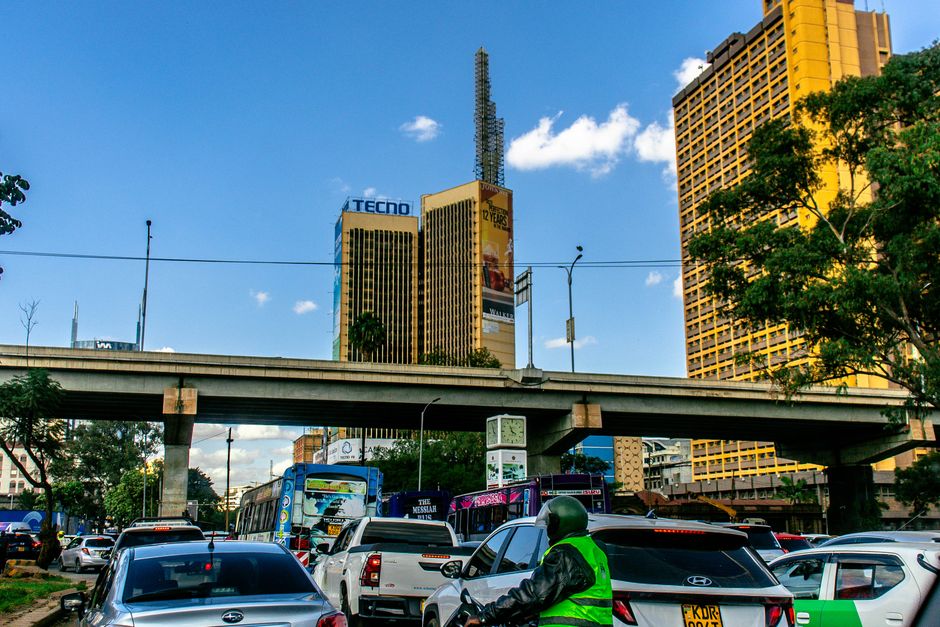
Nairobi's transport infrastructure landscape is undergoing a critical reassessment, with senior officials and industry experts publicly weighing in on ambitious plans to decongest the capital while acknowledging persistent challenges that threaten timely delivery.
The Standard Gauge Railway extension towards Nairobi's eastern suburbs remains a focal point of discussion, with transport authorities emphasizing the potential to ease pressure on the congested Mombasa Road corridor. City planners have cited studies suggesting that daily traffic gridlock costs the metropolitan economy upwards of Ksh 3 billion in lost productivity. Yet experts from the Institute of Transportation Engineers and local urban development think tanks have repeatedly cautioned that infrastructure ambitions must be matched with realistic budgeting and procurement discipline.
At recent forums held at Safari Park Hotel and the Nairobi Chamber of Commerce, stakeholders have deliberated on the Bus Rapid Transit (BRT) system planned for key routes including the Nairobi-Westlands spine. Transit authorities have maintained that the project remains a priority, though implementation timelines continue shifting. One recurring concern from transportation analysts involves the coordination between the Nairobi Metropolitan Services, the county government, and private transport operators—a fragmentation that critics argue has historically delayed major projects.
The proposed expansion of the Ring Road, particularly the northern segment linking Thika Road to the Nairobi-Nakuru highway, has also generated considerable debate among infrastructure specialists. Construction logistics experts have flagged concerns about how ongoing work will manage traffic diversions through densely populated areas like Kasarani and Mathare, where alternative routes are severely limited.
Developers and real estate professionals have emphasized that certainty around transport infrastructure directly influences investment flows. Several have noted that clarity on the Outer Ring Road's completion timeline—initially projected for late 2024—would significantly impact commercial planning in emerging nodes like Syokimau and Athi River.
Financial analysts have underscored a critical challenge: the recurring gap between announced budgets and actual disbursements. Data from recent parliamentary finance committee hearings showed that transport project allocations frequently experience mid-year cuts, disrupting contractor schedules and inflating costs.
Transportation authorities insist momentum is building. The recent completion of several phases of the Nairobi-Isiolo highway has been cited as evidence that large-scale projects can succeed with sustained political will. However, stakeholders across government, academia, and the private sector agree that the next 18 months will be decisive in determining whether Nairobi's transport ambitions translate into tangible relief for the city's increasingly frustrated commuters.
This article was compiled by AI from the sources linked above and screened before publishing. See our editorial standards.