Nairobi Emergency Response Times: 90-Min Police Delays
Nairobi police response times exceed 90 minutes in high-crime areas. How long does an ambulance take? Residents reveal safety concerns amid emergency services crisis.
Nairobi police response times exceed 90 minutes in high-crime areas. How long does an ambulance take? Residents reveal safety concerns amid emergency services crisis.
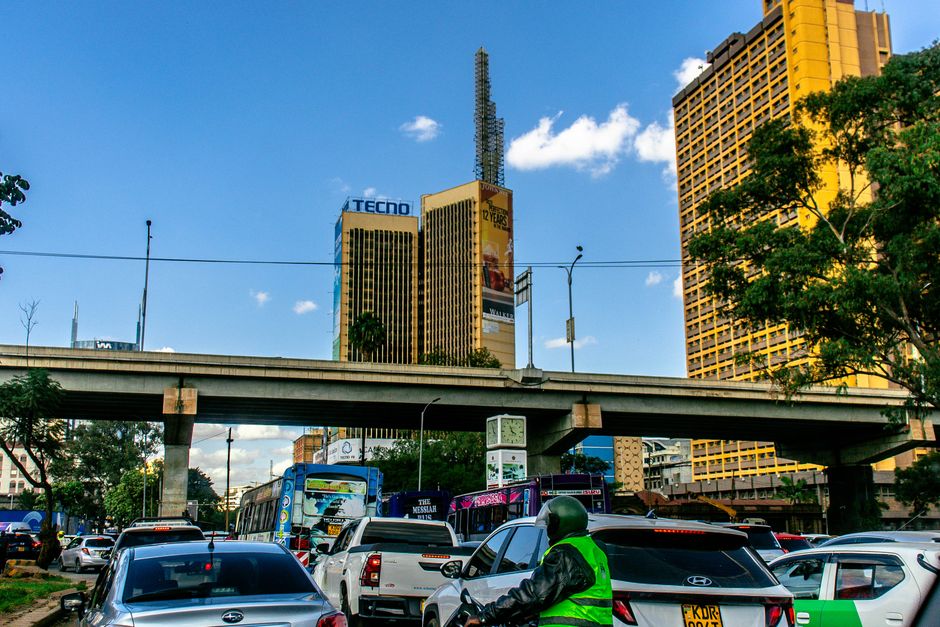
When a matatu collided with a private car near the Nairobi Railway Station on Tuesday evening, bystanders waited 47 minutes for an ambulance to arrive. By then, one of the injured had slipped into critical condition. The incident exemplifies a growing crisis in Nairobi's emergency services infrastructure that is forcing residents to take safety matters into their own hands.
Response times across the city have deteriorated sharply over the past 18 months. Data from the Nairobi County Emergency Operations Centre shows that average police response time in high-incident areas like Eastleigh, Mathare, and parts of Kasarani now exceeds 90 minutes—nearly triple the recommended international standard of 30 minutes. Ambulance services, operated through a patchwork of private and public providers, fare even worse, with some calls in peripheral areas going unanswered for over two hours.
The human cost is immediate and visible. At the Kenyatta National Hospital casualty ward, Dr. Sarah Mwangi, who requested anonymity due to professional constraints, noted that delayed arrivals correlate directly with worse patient outcomes. "We're receiving trauma cases that could have been stabilized in the field," she explained, describing a pattern repeating across city hospitals.
For Nairobi's working families, the implications extend beyond emergencies. Business owners along Moi Avenue and Kirinyaga Road report increased security spending—hiring private guards and installing CCTV systems—as police visibility diminishes. A 2025 survey by the Nairobi Business Forum found that 68% of small enterprises now budget for private security, an expense many cannot afford.
Community-level responses reveal the vacuum. Residents in Kilimani and Westlands have organized neighbourhood watch networks, while informal settlements like Kibera have revived elder-based conflict resolution systems, effectively creating parallel governance structures. These initiatives save lives but expose inequality: affluent areas can purchase safety while poorer communities improvise with limited resources.
The bottlenecks are structural. Nairobi's emergency infrastructure—designed for a city of 2 million—now serves over 4.5 million residents. The police force operates with 500 fewer officers than recommended by the UN, while ambulance availability across the county stands at 89 vehicles for a metropolitan population exceeding four million.
County officials acknowledge the strain. The June budget allocation for emergency services increased by 12%, but officials privately admit this addresses only symptom management. Meaningful reform—from dispatching algorithms to staffing expansion—requires sustained funding and political will that remain uncertain.
For ordinary Nairobians, the message is clear: in moments of crisis, the system cannot be relied upon. That realization is fundamentally reshaping urban life, pushing residents toward self-reliance and widening the safety gap between rich and poor neighbourhoods across the city.
This article was compiled by AI from the sources linked above and screened before publishing. See our editorial standards.
How does this story make you feel?
Spread the word
About this article
Published by The Daily Nairobi
Daily brief
Free, in your inbox before 7am. Weekdays.
More in News