How Nairobi's Transport Crisis Led Us to Today's Infrastructure Reckoning
Decades of underinvestment, political delays, and competing visions have shaped the capital's current push to modernise its ageing arteries.
Decades of underinvestment, political delays, and competing visions have shaped the capital's current push to modernise its ageing arteries.
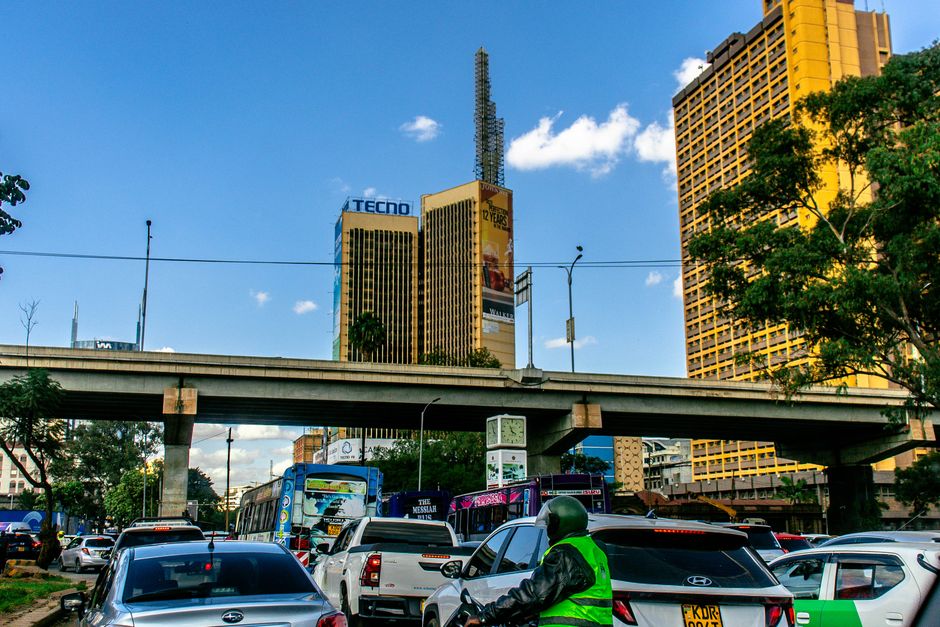
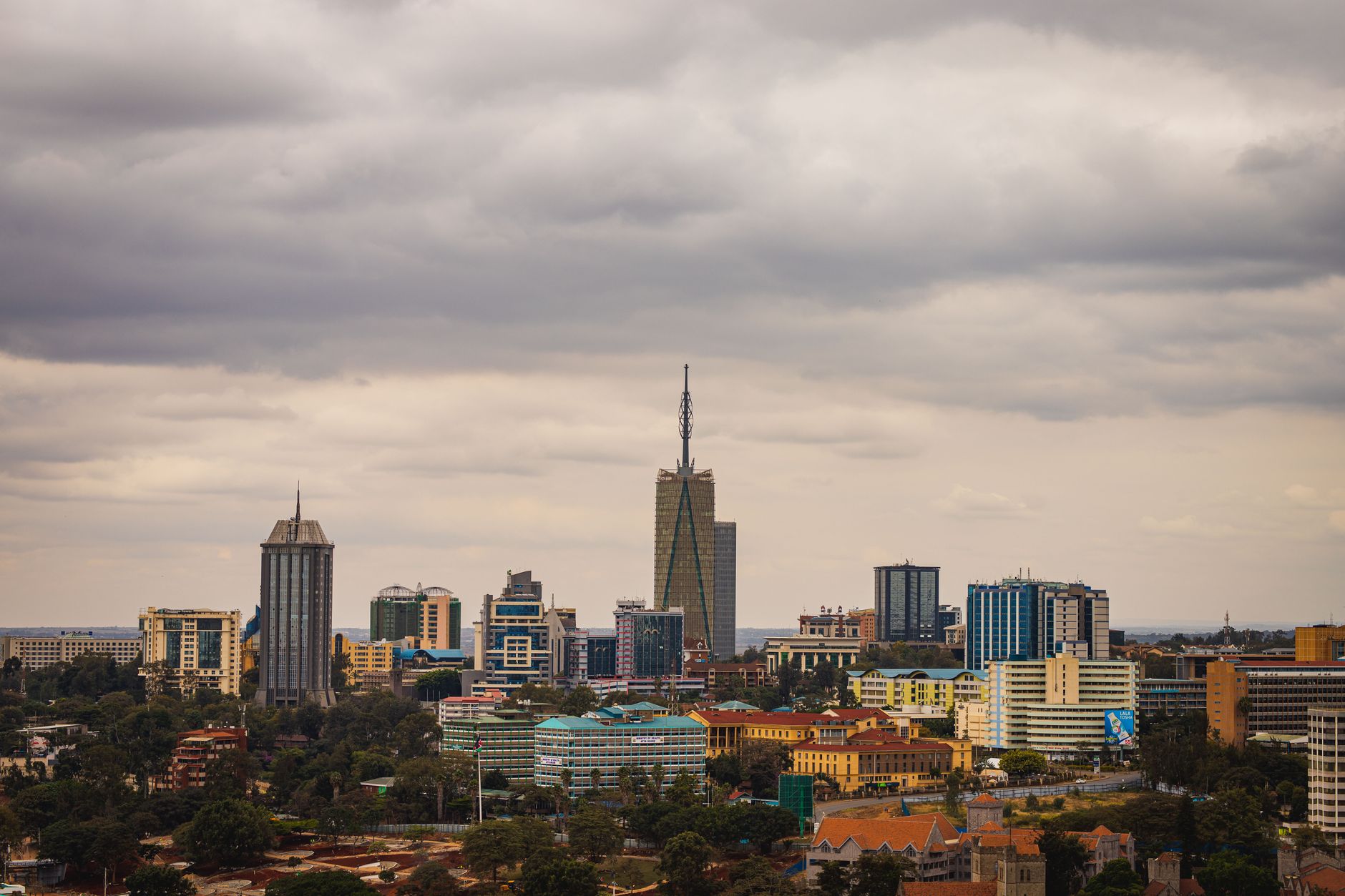
The gridlock that chokes Nairobi's arterial roads—from Mombasa Road to the Outer Ring Road—did not emerge overnight. Rather, it is the accumulated consequence of policy missteps, budgetary constraints, and shifting political priorities stretching back nearly three decades.
In the 1990s, when Kenya's economy began its post-structural adjustment phase, Nairobi's road network remained largely inherited from the colonial era. The city's population then stood at roughly 1.3 million. Today, it exceeds 4.5 million, yet the core infrastructure has expanded only incrementally. The Standard Gauge Railway, completed in 2017 at a cost of approximately 5 billion US dollars, promised to alleviate congestion on routes between Nairobi and the port city of Mombasa—yet its impact on urban commuting within the capital itself remains limited, serving primarily the Nairobi Central Business District to Nairobi Southgate corridor.
The Bus Rapid Transit system, launched in 2022, initially covered 100 kilometres of dedicated lanes, primarily along Thika Road and parts of Outer Ring Road. Yet bureaucratic wrangling over fare structures and integration with the existing matatu system delayed full operationalisation. Early ridership numbers—estimated at around 150,000 daily users at peak—fell short of projections that had anticipated 400,000.
Contributing to this context were political cycles that repeatedly disrupted long-term planning. The Nairobi Expressway, which opened in 2022, was conceived in the early 2000s but faced repeated tender complications, land acquisition disputes, and funding reshuffles before construction finally commenced in 2019. The toll system—ranging from 100 to 500 shillings per journey—has since become a flashpoint, with lower-income commuters from sprawling settlements like Kibera and Mathare increasingly priced out of the fastest route.
Water and sewerage infrastructure has proved equally vexed. Nairobi's aging pipes, many dating to the 1960s and 1970s, lose an estimated 40 to 50 per cent of treated water to leakage annually. Kampala Road, Murang'a Road, and stretches of Limuru Road have been repeatedly excavated for emergency repairs, creating secondary congestion and driving businesses away from historically commercial zones.
The Nairobi City County government's 2024 transport master plan—unveiled to modest fanfare—acknowledged that addressing these structural deficits requires investments exceeding 2 trillion shillings over the next decade. Yet competing demands for healthcare, education, and security continue to fragment the budgetary pie. This backdrop explains why today's infrastructure announcements are greeted with cautious scepticism by residents who have watched promises fade before.
This article was compiled by AI from the sources linked above and screened before publishing. See our editorial standards.
How does this story make you feel?
Spread the word
About this article
Published by The Daily Nairobi
Daily brief
Free, in your inbox before 7am. Weekdays.
More in News