Nairobi's Green Ambitions: How East Africa's Hub Stacks Up Against Global Sustainability Leaders
As cities worldwide race to meet climate targets, Nairobi is charting its own course—with mixed results when compared to peers like Cape Town and Lagos.
As cities worldwide race to meet climate targets, Nairobi is charting its own course—with mixed results when compared to peers like Cape Town and Lagos.
Nairobi's commitment to environmental sustainability has intensified in recent years, yet comparative analysis reveals the capital remains several steps behind established global leaders while competing unevenly with regional counterparts.
The city's flagship initiative, the Nairobi River Rehabilitation Project, has made visible progress along stretches near Parklands and westward toward the industrial areas, though experts note the effort pales against comprehensive watershed restoration in Cape Town, where integrated water management has reduced urban consumption by 23 percent since 2018. Nairobi Water and Sewerage Company reports the city loses approximately 44 percent of treated water to leakage—a figure that rivals Lagos's infrastructure challenges but exceeds targets set by sustainable cities frameworks used in Johannesburg.
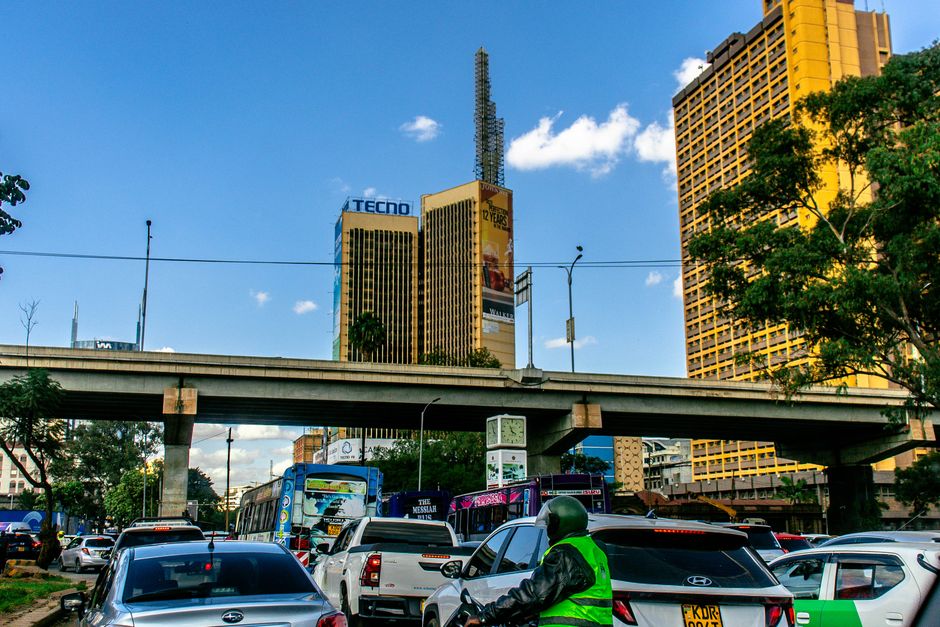
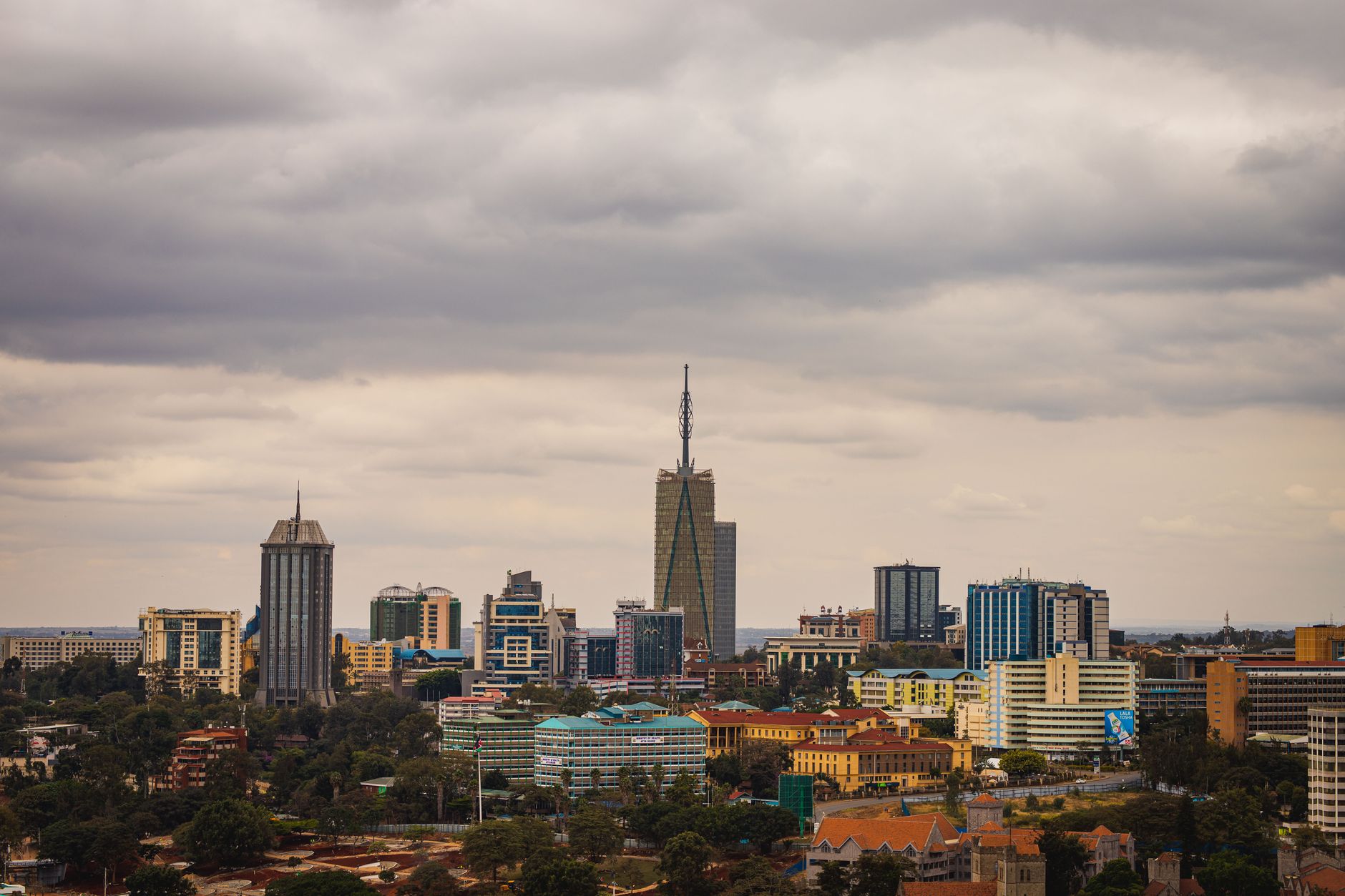
Where Nairobi demonstrates competitive strength is in green building adoption. The construction of eco-friendly commercial spaces in the Westlands and Upper Hill districts has accelerated, with developers increasingly meeting Kenya's Building Code requirements for energy efficiency. However, this progress concentrates in affluent zones, mirroring inequality patterns seen in other African capitals. Meanwhile, informal settlements like Kibera and Mathare—home to over 60 percent of Nairobi's population—remain largely excluded from sustainability interventions that characterize comparable cities' inclusive approaches.
Public transportation presents another revealing comparison. Nairobi's Bus Rapid Transit (BRT) system, launched in phases since 2022, carries approximately 400,000 daily commuters. By contrast, Lagos's BRT network moves 500,000 daily passengers, while Dar es Salaam prioritizes rapid bus expansion over the rail projects Nairobi has delayed. Electric vehicle adoption remains marginal across all three cities, though Nairobi has seen modest growth in two-wheeler electrification in central business areas.
The city's waste management sector exemplifies both promise and shortcomings. Plastic ban enforcement along Kenyatta Avenue and in central Nairobi has driven behavioral change, positioning Kenya ahead of regional peers. Yet the Dandora landfill—processing roughly 3,000 tons daily—continues operating without the methane capture systems standard in facilities serving comparable African cities. Recent partnerships between Nairobi City County and environmental NGOs based in the Industrial Area signal evolution, though investment levels remain limited compared to municipal budgets for sustainability in Cape Town and Casablanca.
As Nairobi aspires toward its 2030 climate commitments, stakeholders increasingly acknowledge that competing with global standards requires bridging the equity gap. The city's trajectory suggests incremental progress in visible, business-friendly initiatives, while systemic challenges affecting majority-poor populations demand the comprehensive, inclusive approach that distinguishes truly sustainable cities from those merely managing appearances.
This article was compiled by AI from the sources linked above and screened before publishing. See our editorial standards.
How does this story make you feel?
Spread the word
About this article
Published by The Daily Nairobi
Daily brief
Free, in your inbox before 7am. Weekdays.
More in News