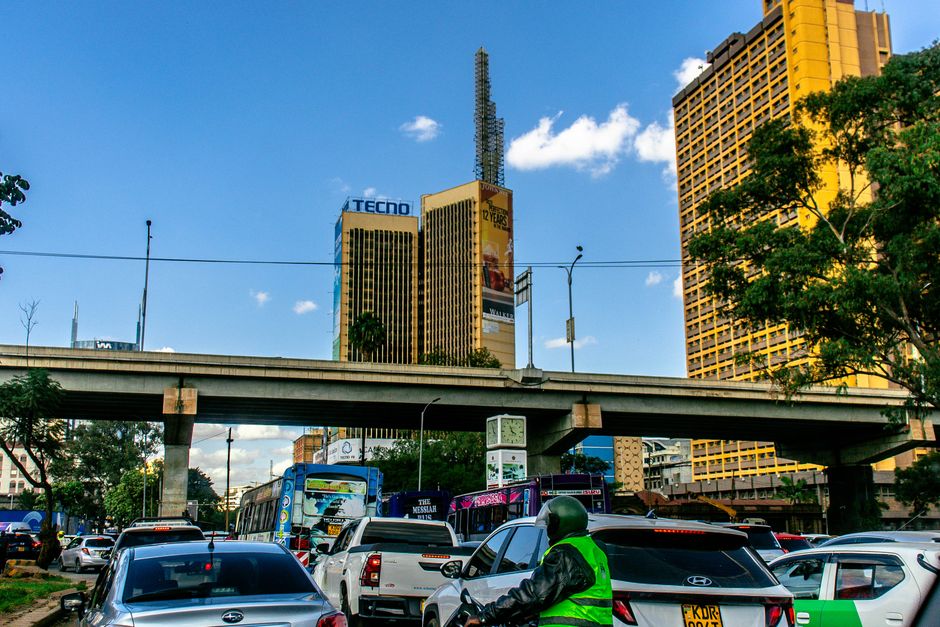
The story of Nairobi's multicultural landscape did not begin yesterday. It traces back to the late 19th century, when the Uganda Railway's construction crews brought Indian labourers to what would become Kenya's capital. That foundational moment—when the rail depot at what is now the Central Business District began attracting merchants, traders, and skilled workers from across the Indian subcontinent—set a pattern that would define the city for over a century.
Today, Nairobi's neighbourhoods bear the imprints of these layered migrations. Eastleigh, once a residential area for Indian railway workers, has evolved into a thriving Somali and East African business district, with currency exchanges and remittance centres clustered along Juja Road. Westlands, initially developed as a European colonial enclave, now houses diplomatic missions, multinational corporations, and international NGOs that employ thousands of expatriates. A two-bedroom apartment in Westlands commands between 150,000 and 250,000 shillings monthly—prices that reflect the neighbourhood's transformation into a global professional zone.
The acceleration of Nairobi's multicultural character intensified following Kenya's independence in 1964, and particularly after the 1994 Rwandan genocide and subsequent regional conflicts. UN agencies, international humanitarian organisations, and diplomatic missions established significant presences here. The UNHCR operates one of Africa's largest refugee resettlement programmes from offices in the Kilimani district. By 2024, Nairobi hosted approximately 710,000 foreign-born residents—roughly 18 percent of the city's population—according to the Kenya National Bureau of Statistics.
Recent geopolitical upheavals have intensified these migration pressures. The ongoing conflicts in the Horn of Africa, instability in the Eastern Democratic Republic of Congo, and climate-driven displacement from across the Sahel have all channelled people through Nairobi's established migrant networks. Community organisations like the Kenya Refugee Consortium, headquartered in Parklands, report unprecedented demand for legal assistance and resettlement support.
Yet this multicultural reality sits uneasily alongside infrastructure strain. Public services in densely migrant-populated zones like Kamukunji and Pumwani struggle with demand. Housing costs have surged, partly driven by international demand, pricing out lower-income Kenyans from central Nairobi.
Understanding Nairobi's current multicultural complexity requires recognising it as the product of over 130 years of successive waves of migration—each driven by distinct historical forces. The city's identity as a global crossroads was not inevitable. It was constructed, layer by layer, by railway companies, colonial administrators, refugees, economic migrants, and international institutions. Today's challenges and vibrancy are the direct legacy of those accumulated decisions.
This article was compiled by AI from the sources linked above and screened before publishing. See our editorial standards.