Nairobi's Green Ambitions Face Reality Check Against Global City Standards
As Cairo and Lagos surge ahead with renewable energy targets, Nairobi's sustainability initiatives remain hampered by infrastructure challenges and funding gaps.
As Cairo and Lagos surge ahead with renewable energy targets, Nairobi's sustainability initiatives remain hampered by infrastructure challenges and funding gaps.
Nairobi's environmental scorecard reads like a work in progress. While the city has made symbolic strides—from the Nairobi River restoration projects in Eastleigh to the proliferation of solar installations across Westlands office parks—experts warn that these efforts pale against the transformative programmes reshaping peer cities across Africa and beyond.
The numbers tell a sobering story. Nairobi currently generates roughly 2 percent of its electricity from renewable sources, trailing Lagos, which has achieved 5 percent through aggressive solar deployment, and Cairo's 8 percent renewable capacity. The capital's waste management system remains fragmented, with only about 40 percent of the city's daily 8,000 tonnes of garbage receiving formal treatment, compared to Johannesburg's 75 percent processing rate.
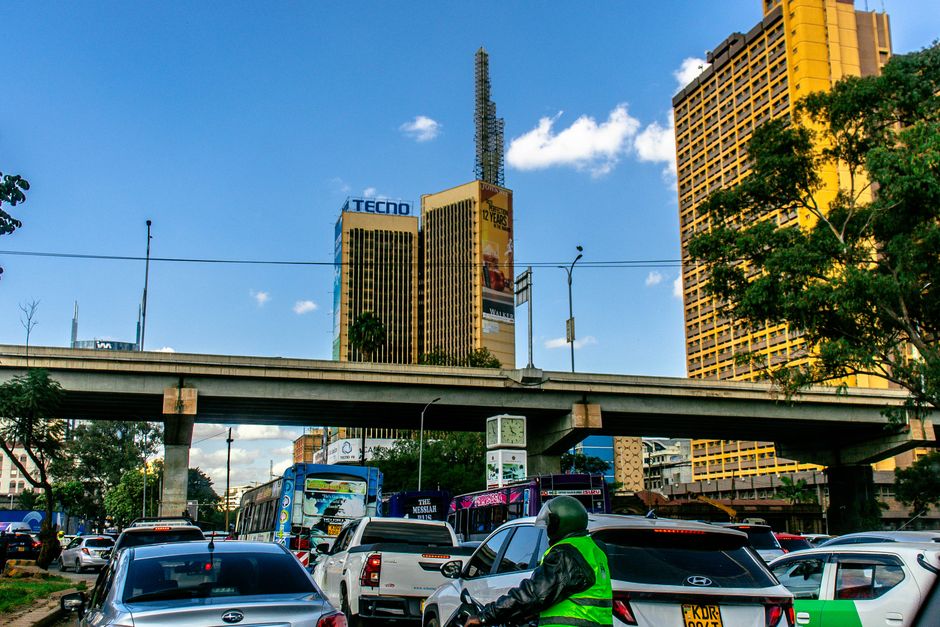
"We're talking about intention rather than implementation," says the sentiment echoed by environmental consultants monitoring the city's progress. The Central Business District's notorious congestion—with vehicles spending an average of 90 minutes covering what should be a 20-minute commute—underscores the gap between Nairobi's climate commitments and its transport realities. Contrast this with Singapore's integrated rapid transit network or even Dar es Salaam's recent bus rapid transit expansion, and the limitations become apparent.
Some initiatives, however, show promise. The Nairobi City County's partnership with local waste entrepreneurs in Kibera has created informal recycling networks that process nearly 200 tonnes of plastic monthly—a grassroots model attracting international attention. Green building certifications, particularly in areas like Upper Hill and Kilimani, have accelerated, though they remain concentrated among high-income developments rather than serving the sprawling informal settlements where 60 percent of Nairobi's 4.3 million residents live.
The renewable energy ambition is real but constrained. While solar projects dot the rooftops of corporate offices in Nairobi's business hubs, the inconsistent grid connections and limited battery storage infrastructure prevent the kind of city-wide transition that's proving feasible in Cape Town or Kigali. Energy costs remain punitive—averaging KES 25 per kilowatt-hour—making green alternatives economically inaccessible for most households.
International observers note that Nairobi's disadvantage isn't lack of vision but rather the convergence of rapid, unplanned urbanisation, constrained municipal budgets, and competing developmental priorities. Cities like Addis Ababa have benefited from comprehensive masterplans with dedicated sustainability funding; Nairobi continues managing crisis to crisis.
The path forward requires bridging ambition with resources. Without significant infrastructure investment and coordinated governance, Nairobi risks falling further behind cities that have already mainstreamed sustainability into their urban DNA.
This article was compiled by AI from the sources linked above and screened before publishing. See our editorial standards.
How does this story make you feel?
Spread the word
About this article
Published by The Daily Nairobi
Daily brief
Free, in your inbox before 7am. Weekdays.
More in News