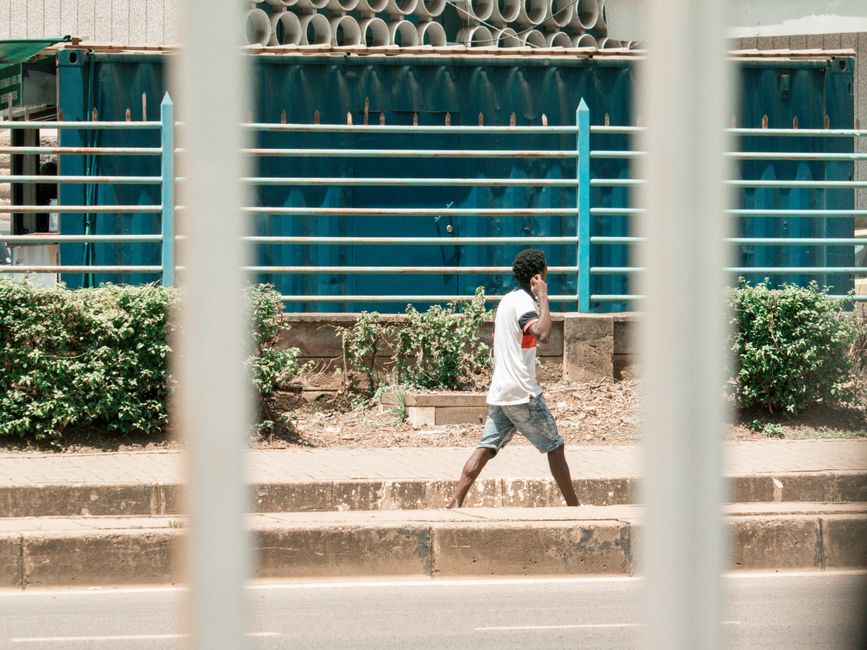
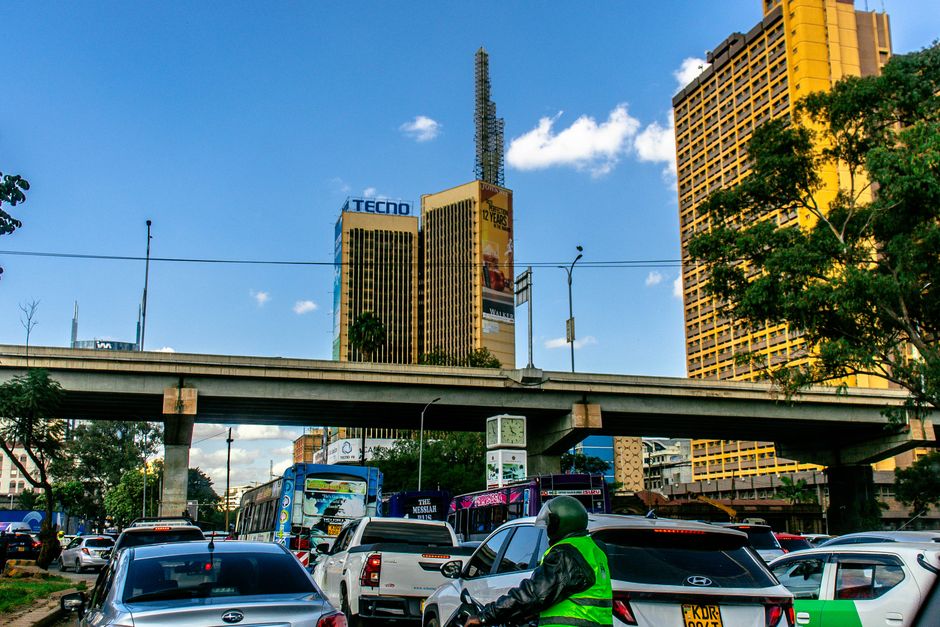
In the leafy suburbs of Westlands and along the bustling corridors of the Nairobi Central Business District, a quiet anxiety is settling over migrant communities as international crises mount. The aftershocks of Venezuela's earthquake, escalating Pakistan-Afghanistan tensions, and the Ebola outbreak in DR Congo are crystallising a question that has simmered for months: should they stay in Kenya, or should they go?
The decision is not academic. At the Immigrant Support Centre on Ngong Road, caseworkers report a 40% surge in inquiries about visa extensions and residency pathways since early June. "People are reassessing their risk calculations," says one administrator familiar with the centre's operations. "Those with family in unstable regions are suddenly more motivated to secure their own stability here."
The statistics are sobering. Kenya hosts an estimated 700,000 refugees and asylum seekers, with significant populations from South Sudan, Somalia, and the Democratic Republic of Congo. Communities in Eastleigh—traditionally a hub for migrant businesses—are now absorbing new arrivals fleeing Venezuelan and Pakistani upheaval. Local property agents report rental inquiries for two-bedroom flats in the area have jumped 25% in the past month, with prices stabilising around 35,000-45,000 Kenyan shillings monthly.
But staying carries its own pressures. Kenya's economy, though resilient, faces strain from increased demand on services and infrastructure. The government has signalled tighter immigration enforcement, with recent policy discussions focusing on work permit quotas and residency requirements. For migrants in precarious employment—many working in hospitality, domestic service, and informal sectors—these shifts create uncertainty.
The critical decisions ahead are multifaceted. Will Kenya's Interior Ministry adjust residency policies to accommodate displaced populations? Will employers in Nairobi's financial sector increase hiring of skilled migrants, or will xenophobic pressures tighten labour markets? Can community organisations like Refugee Consortium of Kenya secure additional funding to support integration programmes?
For individuals, the calculus is personal and urgent. Do they attempt family reunification through Kenya's slow bureaucratic channels? Do they pursue onward migration to Europe or North America, accepting the risks and costs? Or do they invest in establishing deeper roots in Nairobi—leasing shops in Nakumatt shopping centres, enrolling children in schools, buying into long-term housing schemes?
The coming months will be defining. As global instability deepens, Nairobi's multicultural character—long one of the city's defining strengths—faces its most serious test in years. The choices made now by thousands of migrants and families will reshape the city's demographics, economy, and social fabric for the decade ahead.
This article was compiled by AI from the sources linked above and screened before publishing. See our editorial standards.