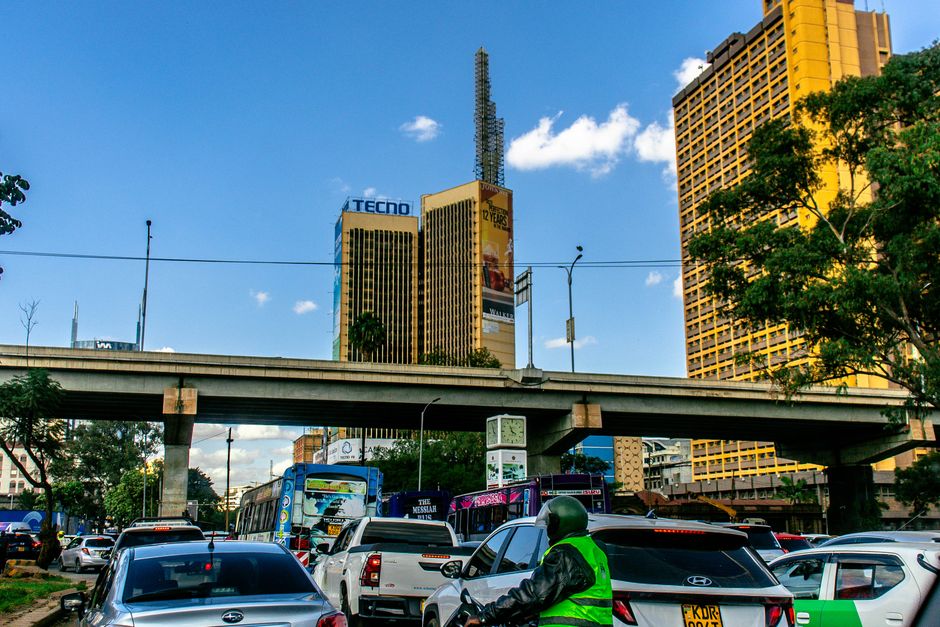
Nairobi's chronic housing shortage has prompted a fresh round of warnings from government officials, urban planners, and housing advocates, who say the city risks deepening inequality unless comprehensive reforms are implemented immediately.
The Nairobi City County Housing Department estimates the capital faces a deficit of approximately 200,000 housing units, with demand far outpacing supply across all income brackets. Average rental prices in central areas like Westlands and Upper Hill have surged past 150,000 shillings monthly for modest two-bedroom apartments, pricing out middle-income earners and forcing lower-income families into overcrowded informal settlements that now house over 60 percent of the city's population.
Officials at the County Planning and Development Authority have signalled their commitment to accelerating approvals for mixed-income residential projects, particularly along emerging corridors like the Kangemi-Riruta axis and areas accessible via the Standard Gauge Railway. However, they acknowledge that zoning restrictions and infrastructure gaps continue to hamper development velocity. The authority's recent push to streamline building permits has faced resistance from residents concerned about preserving neighbourhood character and managing traffic congestion.
Housing rights organisations and academic experts emphasise that supply-side solutions alone will not address affordability. The Centre for Habitat Studies at the University of Nairobi has advocated for inclusionary zoning policies that require developers to allocate 15 to 20 percent of units in new projects at below-market rates. Such measures, officials counter, could reduce developer returns and slow investment.
Nairobi's informal settlement upgrading initiatives—particularly in Kibera and Mathare—remain underfunded despite their scale. City authorities have outlined aspirations to improve tenure security and basic services in these areas, yet budget constraints have limited tangible progress. Experts argue that formal regularisation of informal neighbourhoods, coupled with targeted infrastructure investment, could unlock economic potential while stabilising communities.
The debate over transport-oriented development has also intensified. Planners see corridors around Nairobi Station and future SGR stops as opportunities for high-density, affordable housing clusters. Yet community groups worry about displacement and gentrification pressures already visible in areas like Eastleigh and parts of Kilimani.
City leadership acknowledges that addressing housing requires coordination across county government, national agencies, and private developers—a collaboration that remains inconsistent. As Nairobi continues attracting regional investment and migration, officials and experts agree the window for proactive, equitable urban planning is narrowing rapidly.
This article was compiled by AI from the sources linked above and screened before publishing. See our editorial standards.