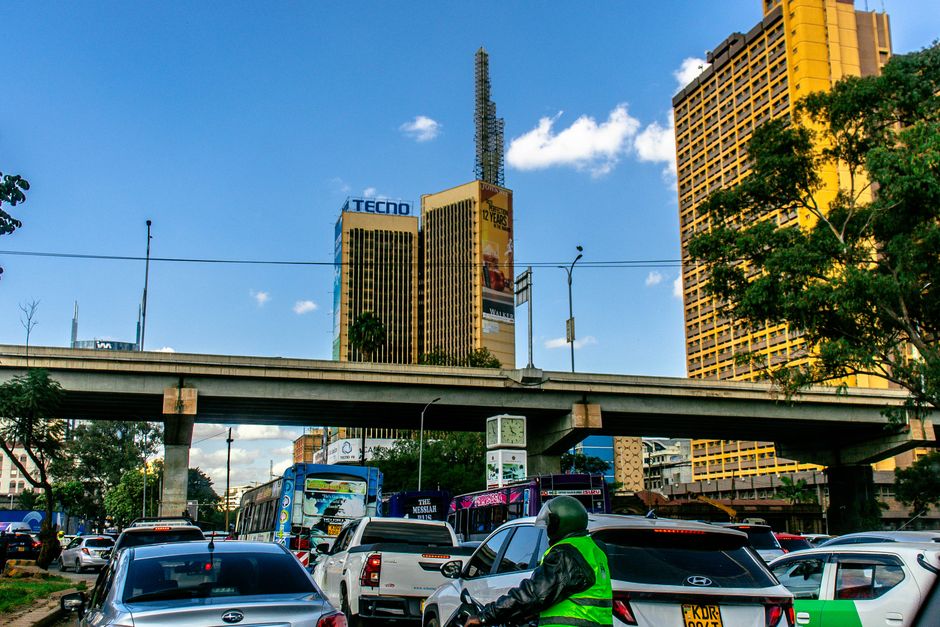
Walk through the Mathare Valley today and you'll see solar panels glinting above informal settlements, community gardens flourishing where dumpsites once dominated the landscape. But this transformation didn't happen overnight. It emerged from years of visible crisis that made ignoring environmental collapse impossible.
By 2018, Nairobi was suffocating under its own waste. The Dandora dumpsite, which had swallowed the city's refuse for three decades, had become a 30-acre mountain of decomposing matter. Residents in surrounding areas reported respiratory illnesses that spiked during dry seasons. Meanwhile, the city's water table had dropped so precipitously that boreholes in Westlands and Kilimani—traditionally reliable sources—were yielding nothing. A litre of water from private vendors cost residents in Karen and Langata upwards of 50 shillings by 2020, a staggering increase from a decade prior.
The pivot point came when the Nairobi City County Assembly recognised what residents already knew: business-as-usual was unsustainable. Heavy flooding in 2018 exposed the failure of ageing drainage infrastructure clogged with plastic waste. The Nairobi River, once a lifeline, had become a toxic conduit carrying industrial effluent and household refuse directly into residential areas. Kibera and Korogocho bore the brunt, with waterborne diseases claiming lives annually.
Simultaneously, air quality data from monitoring stations around the Central Business District revealed PM2.5 levels regularly exceeding WHO guidelines. The culprits were familiar: vehicle emissions along Mombasa Road, industrial factories in Embakasi, and uncontrolled construction dust in Kilimani and Parklands. Nairobi's air ranked among Africa's worst by 2021.
These crises created political will. The county launched the Nairobi Sustainability Initiative in 2022, beginning with modest targets: a 40 percent reduction in waste sent to landfills by 2030, renewable energy powering 50 percent of county facilities, and restoration of 2,000 hectares of green spaces. Public-private partnerships emerged. NGOs expanded tree-planting campaigns across Ngong Road Forest and the Karura Forest belt. Community groups in Mathare and Eastleigh began composting and waste sorting at neighbourhood level.
What drove this wasn't virtue signalling—it was necessity. Nairobians had experienced the cost of neglect directly: in medical bills, in water rations, in air that stung the lungs. The sustainability movement that now pulses through the city's neighbourhoods, from Nairobi's tech hubs to its informal settlements, is rooted in something concrete: the recognition that degradation has a price, and that price had become unsustainable to ignore.
This article was compiled by AI from the sources linked above and screened before publishing. See our editorial standards.