By The Numbers: What Nairobi's Transport Revolution Really Costs
Fresh data reveals the staggering scale and expense of the city's infrastructure overhaul, from the Standard Gauge Railway to the proposed Bus Rapid Transit system.
Fresh data reveals the staggering scale and expense of the city's infrastructure overhaul, from the Standard Gauge Railway to the proposed Bus Rapid Transit system.
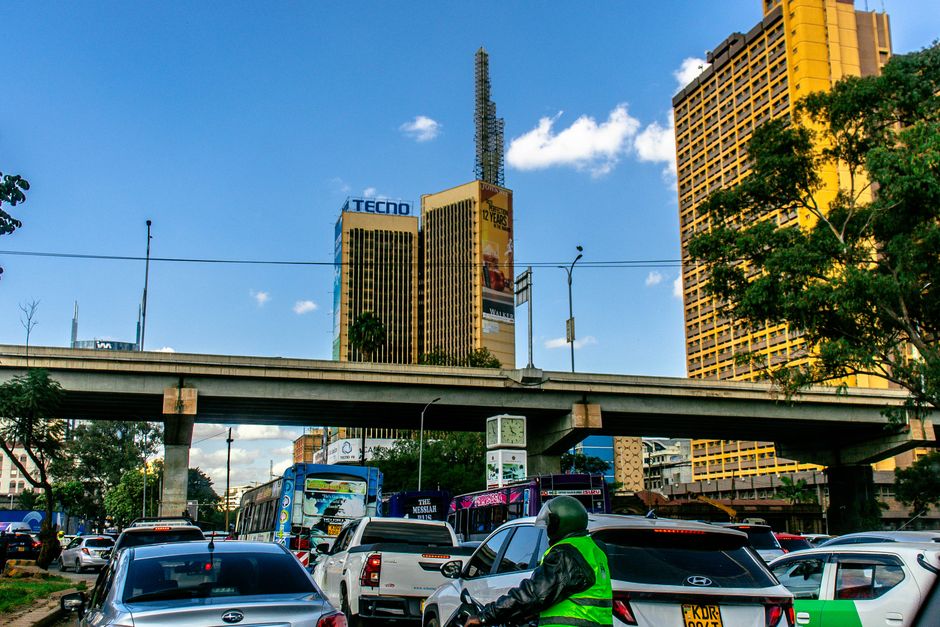
Nairobi's transport infrastructure story reads like a ledger of ambition and constraint. With the city's population projected to exceed 5 million by 2030—up from approximately 4.3 million today—planners are racing against congestion that costs the economy an estimated 2 percent of GDP annually in lost productivity.
The Standard Gauge Railway, which began operations from the Nairobi terminus in 2017, has transported over 12 million passengers cumulatively, though recent figures show monthly ridership stabilizing around 180,000 journeys. The project consumed approximately 327 billion shillings in capital costs, with maintenance and operational expenses running at roughly 2.8 billion shillings annually. Critics point to underperformance relative to projections that anticipated 3 million annual passengers by year three.
Meanwhile, the proposed Bus Rapid Transit (BRT) corridor along the Nairobi-Mombasa Road is budgeted at 38 billion shillings for its initial 24-kilometer phase, targeting 500,000 daily passengers once operational. Traffic data from the Westlands to Embakasi stretch shows average speeds have plummeted to 12 kilometers per hour during peak hours—half the speed recorded a decade ago.
Informal public transport, which handles roughly 70 percent of daily commuting in Nairobi, generates minimal tax revenue while contributing disproportionately to congestion. Matatus collectively cover over 35,000 kilometers daily across the metropolitan area, moving approximately 3.2 million passengers, yet formal planning mechanisms have historically excluded this sector from investment discussions.
The recently approved Nairobi Metropolitan Area Transport Authority (NaMATA) framework aims to coordinate these fragmented systems. Current road infrastructure encompasses 6,800 kilometers of classified roads, yet only 28 percent meet international maintenance standards. Pothole repair cycles typically extend 18 months from identification to completion in sprawling zones like Kasarani and Embakasi.
Parking presents another quantifiable challenge: the city generates approximately 180,000 vehicle registrations annually, yet formal parking capacity across the CBD stands at roughly 45,000 spaces. Informal parking arrangements along Tom Mboya Street, Koinange Street, and around Nairobi Central Business District generate estimated revenue of 890 million shillings monthly for private operators.
As Nairobi planners contemplate the next phase—including proposed elevated expressways and integrated payment systems—the numbers tell a story of infrastructure struggling to keep pace with urban growth. Success will ultimately depend not on ambitious capital figures, but on whether systems designed for millions can actually deliver movement at scale.
This article was compiled by AI from the sources linked above and screened before publishing. See our editorial standards.
How does this story make you feel?
Spread the word
About this article
Published by The Daily Nairobi
Daily brief
Free, in your inbox before 7am. Weekdays.
More in News