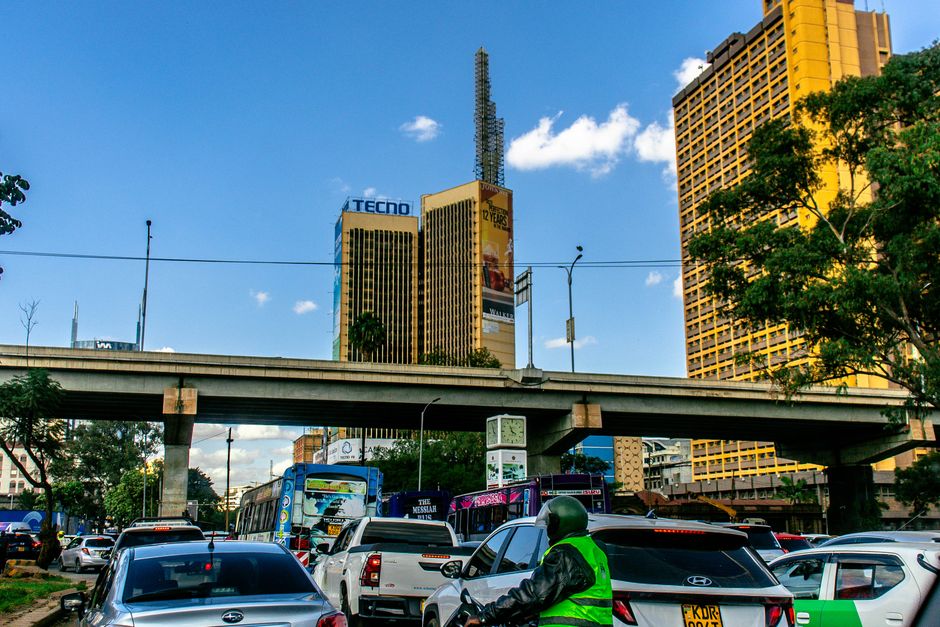
Nairobi's transport infrastructure ambitions are colliding with harsh mathematical reality. The numbers tell a story of massive investment, competing priorities, and a city struggling to keep pace with its own growth.
The Standard Gauge Railway's planned extension to Nairobi's western suburbs represents a KES 150 billion commitment, yet cost overruns have already pushed the original budget by 23 percent, according to recent parliamentary procurement reports. The line is expected to reduce congestion on the Nairobi-Nakuru corridor by an estimated 40 percent once operational—assuming completion targets hold past 2027.
Meanwhile, road rehabilitation projects tell an equally complex tale. The city's 6,800 kilometres of classified roads require maintenance, yet the Nairobi City County allocated only KES 18 billion for road works in the 2025-2026 financial year. Transportation experts calculate this covers just 2.6 percent of the network annually—meaning at current funding rates, a complete resurfacing cycle would take 38 years.
The Nairobi Metropolitan Area transport master plan identifies 47 key chokepoints across the city. Congestion on the Mombasa Road corridor alone costs the economy an estimated KES 890 million daily in lost productivity and wasted fuel. The corridor's average traffic speed during peak hours has declined from 28 kilometres per hour in 2015 to just 14 km/h in 2025—a 50 percent deterioration in a single decade.
Bus Rapid Transit ambitions reveal similar constraints. The planned 120-kilometre BRT network across Nairobi requires KES 85 billion in capital investment. So far, 34 kilometres have been operationalised, serving approximately 180,000 daily commuters. Full implementation would theoretically accommodate 420,000 daily trips—yet current vehicle fleet capacity sits at 2,100 buses against a stated requirement of 4,800 units.
Informal transport dominates reality. Matatus still account for 68 percent of Nairobi's motorised trips, moving 4.2 million passengers daily across a largely unregulated network. Formal public transport—buses, trains, and metros combined—captures just 18 percent of journeys.
The financial arithmetic is unforgiving. Nairobi generates approximately KES 280 billion in transport-related economic activity annually, yet infrastructure investment runs at KES 45 billion yearly—a 16 percent ratio that urban planners consider insufficient for a city of 5.2 million people growing at 2.8 percent annually.
These numbers underscore a fundamental question: can targeted investment budgets match the scale of Nairobi's transport crisis, or will the city continue managing decline rather than driving transformation?
This article was compiled by AI from the sources linked above and screened before publishing. See our editorial standards.