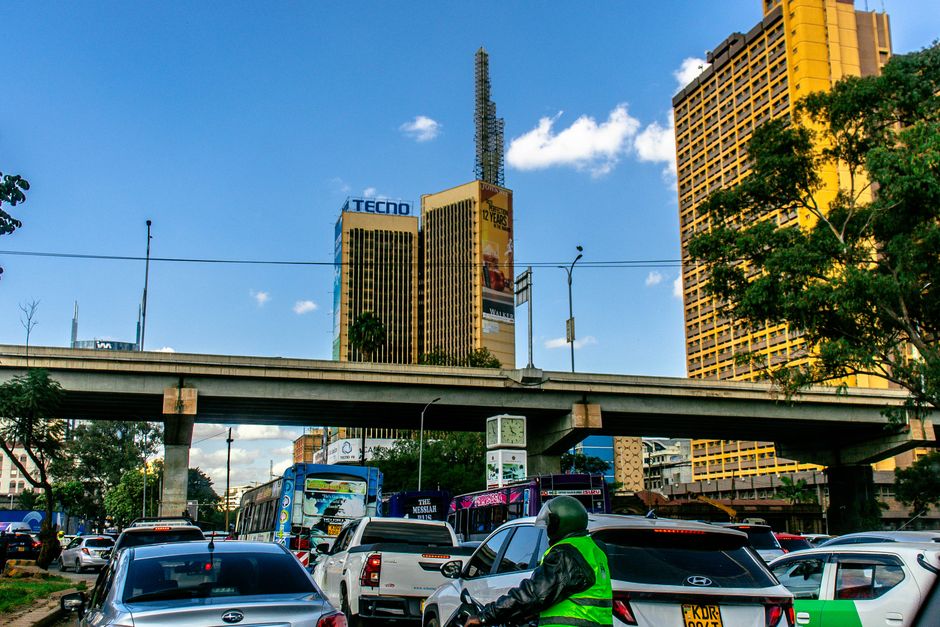
Senior law enforcement and security officials in Nairobi are sounding a rare public alarm over deteriorating crime prevention measures, citing understaffing, communication failures, and the need for community-led interventions across high-risk zones from Eastleigh to Kibera.
Speaking at a security forum in the Upper Hill district this week, police commanders acknowledged that response times to emergency calls in outlying areas now exceed 45 minutes on average—a figure that has prompted urgent calls for reform. The Nairobi County Government has also come under scrutiny, with city administrators privately admitting that coordination between county emergency services and national police units remains fractured, hampering rapid deployment when incidents occur on main thoroughfares like Mombasa Road and Thika Superhighway.
Dr. James Kariuki, a criminology lecturer at the University of Nairobi, told colleagues that the capital's population growth—now estimated at 4.9 million—has far outpaced security infrastructure investment. "We are responding to crime with systems designed for a city half this size," he reportedly stated in recent academic circles. Kariuki emphasized that neighbourhood policing initiatives, such as those piloted in Westlands and Langata, have shown measurable success but remain chronically underfunded.
Community safety officers working through the Nairobi Business Community Association have also flagged concerns about youth unemployment fuelling petty crime in commercial hubs. Security consultancy firms operating from offices around Nairobi's Westlands and CBD zones report that corporate clients are increasingly investing in private emergency response systems, effectively bypassing state services—a sign, they warn, of eroding public confidence.
The Nairobi County Commissioner's office has committed to a 30-day action plan, though specifics remain vague. Hospital administrators at Kenyatta National Hospital and Nairobi Hospital have simultaneously raised concerns about surge capacity during high-crime periods, with emergency departments regularly overwhelmed during evening hours.
Police leadership has signalled plans to recruit an additional 2,000 officers for Nairobi by year's end, though budget allocations have not been formally announced. Experts caution that recruitment alone cannot address root causes—inadequate lighting on residential streets, poor intelligence-sharing platforms, and lack of CCTV infrastructure in informal settlements.
The convergence of official warnings underscores a critical moment. Whether the capital's security apparatus can adapt rapidly enough to meet citizen expectations remains an open question.
This article was compiled by AI from the sources linked above and screened before publishing. See our editorial standards.