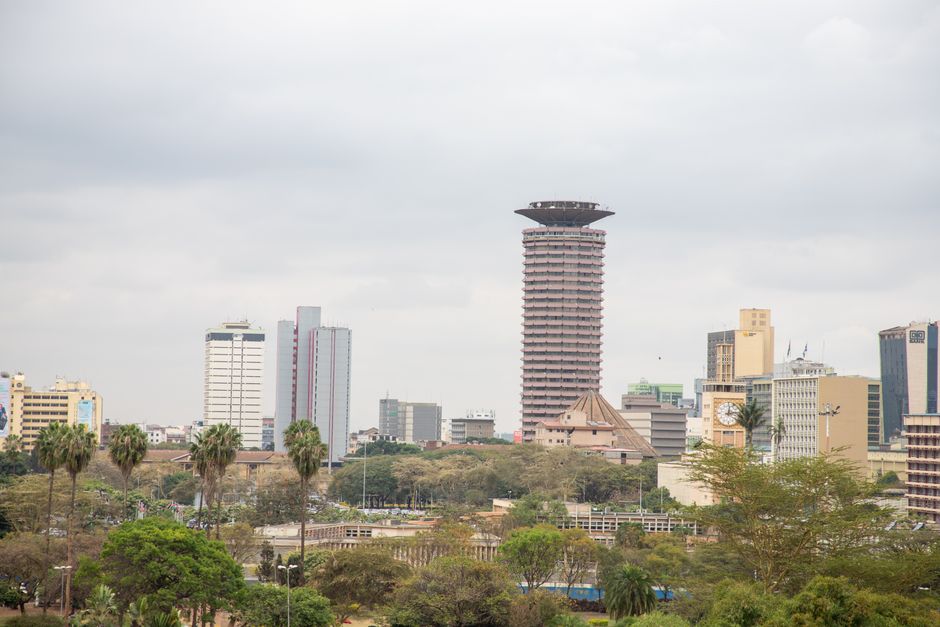
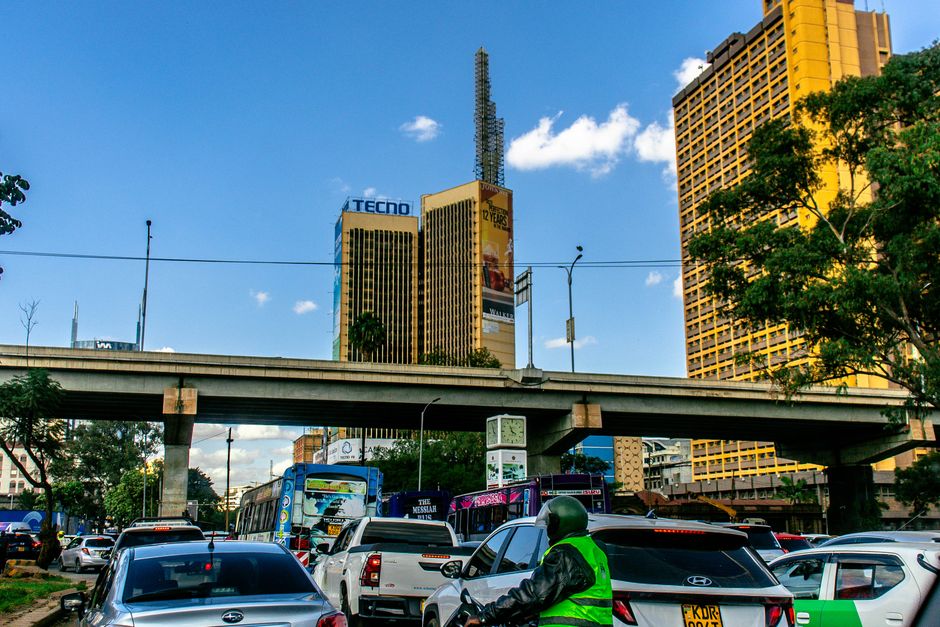
The Nairobi Expressway's completion last year marked a watershed moment for Kenya's capital—a 27.3-kilometre elevated highway that slashed commute times between the city centre and Jomo Kenyatta International Airport from 45 minutes to roughly 20. Yet even as this KES 88 billion project drew international praise, it exposed the uncomfortable truth about Nairobi's infrastructure trajectory: the city is simultaneously leading and lagging on the continent's transport ambitions.
Compare Nairobi's progress to peer cities globally. Lagos, with its Lagos-Ibadan Expressway and ongoing Bus Rapid Transit expansion, has invested over $2 billion in transport infrastructure over the past five years. Addis Ababa's light rail network, operational since 2015, carries 50,000 daily commuters. Cairo's new administrative capital features purpose-built transport corridors. Nairobi, by contrast, remains heavily dependent on ageing matatus and motorcyclists for first-mile, last-mile connectivity—a reality starkly illustrated by congestion on major arteries like Mombasa Road and the Outer Ring Road.
The Standard Gauge Railway, inaugurated in 2017 to much fanfare, has struggled with profitability and limited integration into broader urban mobility networks. Monthly ridership hovers around 200,000—well below projections of 5 million annually. Meanwhile, the mooted Nairobi Metro light rail project, initially promised for completion by 2023, remains in planning phases, with construction timelines repeatedly pushed back. This contrasts sharply with Kampala's planned Bus Rapid Transit system, now in advanced execution stages, or Dar es Salaam's burgeoning transport master plan investments.
Where Nairobi does shine is digital innovation. The city's tech corridor—concentrated in areas like Kilimani and the Westlands business district—has attracted transport startups that rival global counterparts. Ride-hailing platforms, delivery networks, and mobility apps have effectively created a parallel transport ecosystem that governments in comparable cities are still attempting to regulate.
The real challenge lies in integration. Unlike Singapore's seamless MRT-bus-taxi ecosystem or Manila's evolving multi-modal hubs, Nairobi's transport modes remain fragmented. A commuter from Kasarani to the CBD still faces multiple transfers, unreliable connections, and costs that can exceed KES 300 daily—proportionally higher than peers in comparable African cities.
As City County officials discuss Phase Two of transport masterplanning, the window to catch up with regional competitors remains open—but narrowing. The question isn't whether Nairobi can build infrastructure; it's whether it can integrate, maintain, and finance it equitably across all seven million residents.
This article was compiled by AI from the sources linked above and screened before publishing. See our editorial standards.