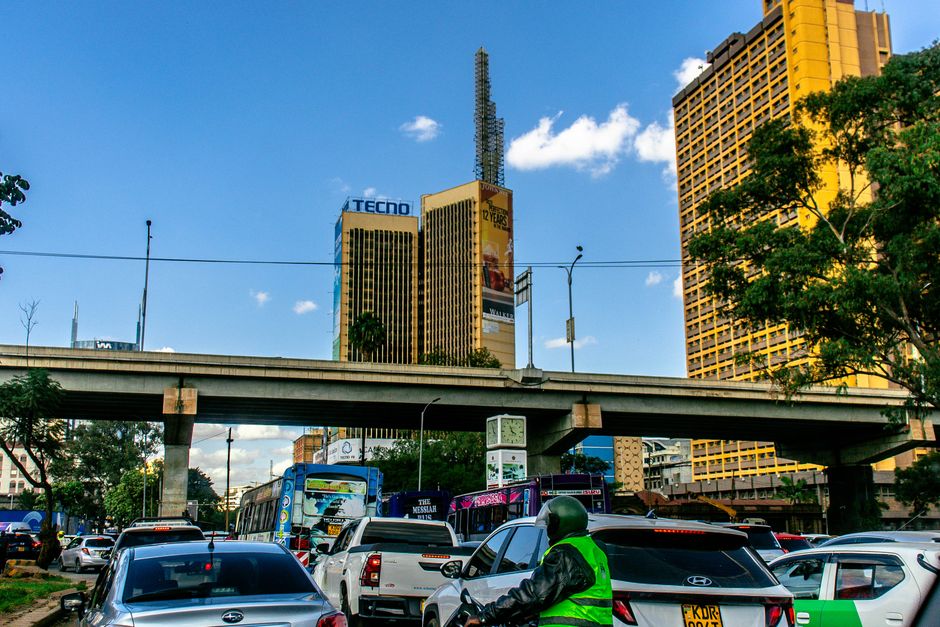
For three consecutive weeks, residents of Westlands have watched their taps run dry during peak morning hours, a crisis that has sparked growing anger in one of Nairobi's most established neighbourhoods. From families in the tree-lined streets near Chiromo Lane to business owners along Limuru Road, the water shortage has upended daily routines and raised serious questions about infrastructure management in the capital.
The disruption has been particularly acute in residential blocks between State House Road and the Nairobi River, where residents report receiving water only twice weekly. Local shops along Westlands Avenue have resorted to purchasing water from private suppliers at inflated rates—some paying up to 2,500 shillings for a 1,000-litre delivery compared to the standard 800 shillings just two months ago.
"We pay some of the highest property taxes in Nairobi, yet we're experiencing infrastructure challenges you'd expect in informal settlements," said one area resident, reflecting sentiments widely shared within the community. Small business operators, from restaurants to laundromats, report losses exceeding 15,000 shillings weekly as they struggle to maintain operations without consistent water access.
The Nairobi Water and Sewerage Company attributed recent shortages to maintenance work at the Wote Booster Station, though residents questioned why repairs weren't scheduled during less disruptive periods. Community groups, including the Westlands Residents Association, have escalated complaints to both the Water Ministry and Nairobi County officials, demanding a detailed timeline for resolution.
The crisis has exposed broader vulnerabilities in Nairobi's water distribution network, which serves over four million residents across sprawling neighbourhoods. While Westlands residents have financial resources to purchase alternative supplies, activists note that similar shortages in densely populated areas like Mathare and Kibera create acute public health risks—particularly concerning given ongoing disease prevention efforts across the region.
Community meetings held at various venues, including local churches and the Westlands Shopping Centre, have drawn crowds determined to push for accountability. Residents have begun documenting daily water availability patterns and filing formal complaints with the Public Service Commission.
"This isn't about luxury—it's about basic service delivery," explained one long-time resident. "If we don't hold authorities accountable here, what hope do other Nairobi communities have?" As frustration mounts heading into the dry season, Westlands residents are making clear they expect immediate, transparent action from water authorities.
This article was compiled by AI from the sources linked above and screened before publishing. See our editorial standards.