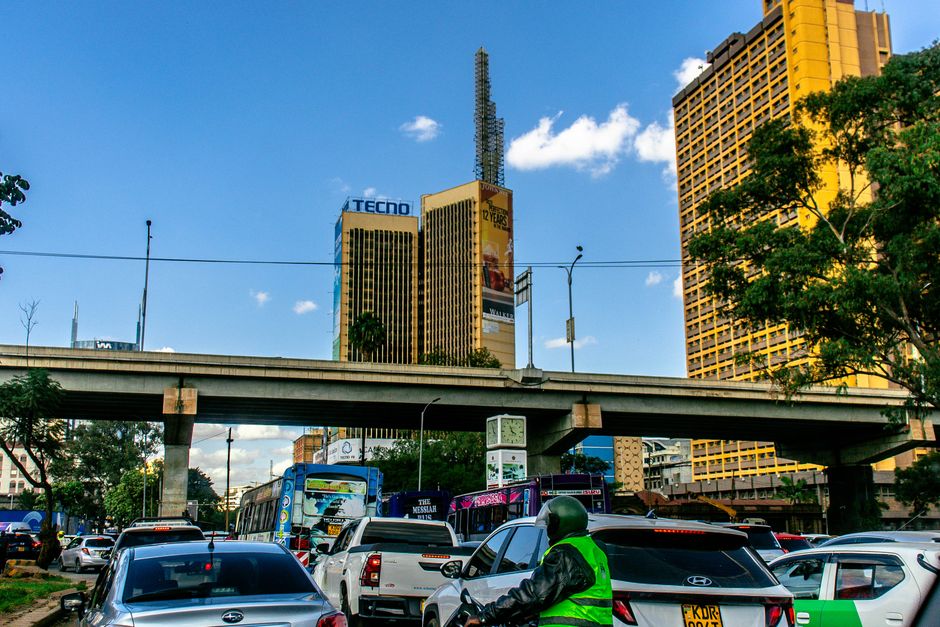
When Seoul's city planners decided in the 1980s to build upward rather than outward, they set a precedent that would transform Asia's urban landscape. Three decades later, as Nairobi grapples with a housing shortage that has seen median rental prices in Westlands climb to over Ksh150,000 monthly for a two-bedroom apartment, the question haunting City Hall is whether Kenya's capital can learn from these global examples—or if it's already too late.
The numbers tell a sobering story. Nairobi's population has surged to nearly 5 million, yet the housing deficit stands at approximately 200,000 units annually. Unlike Singapore, which enforced strict zoning laws and invested heavily in public housing through the Housing and Development Board, Nairobi has watched private developers dominate the market while informal settlements like Kibera and Mathare continue to swell. The Nairobi County Integrated Development Plan acknowledges the crisis, yet implementation remains patchy across constituencies from Embakasi to Dagoretti.
Compare this to Dubai's structured approach: deliberate vertical clustering around Sheikh Zayed Road and strict building codes that transformed desert into ordered density. Or look at Cape Town, where post-apartheid housing initiatives prioritized accessible neighbourhoods on the city's periphery—not unlike Nairobi's push into Kajiado and Kiambu, though with far greater coordination and infrastructure investment upfront.
Nairobi's strategy appears fragmented by contrast. The Nairobi Metropolitan Services' recent push to revitalize decaying zones around Ngara and Industrial Area shows intent, yet lacks the comprehensive zoning enforcement seen in global peers. Meanwhile, sprawl continues unchecked along the Southern Bypass toward Ongata Rongai, where developers operate with minimal oversight, replicating the chaotic expansion that plagued Bangkok before stricter regulations took hold.
The City County government has introduced the Nairobi Integrated Urban Development Master Plan 2022-2032, which mandates mixed-use development and public transport integration—borrowing playbook pages from Barcelona and Copenhagen. Yet without the fiscal muscle or institutional consistency of these European cities, implementation remains aspirational. Public-private partnerships in Kilimani and parts of Parklands show promise, but they benefit primarily affluent residents rather than the majority earning under Ksh50,000 monthly.
The critical difference between Nairobi and its global comparators isn't ambition but execution. Seoul, Singapore, and even Johannesburg enforced their visions through political will and long-term investment. Nairobi risks becoming a cautionary tale—a city that studied the solutions but failed to implement them decisively. With another 2 million residents projected by 2035, the window for learning from global precedent is rapidly closing.
This article was compiled by AI from the sources linked above and screened before publishing. See our editorial standards.